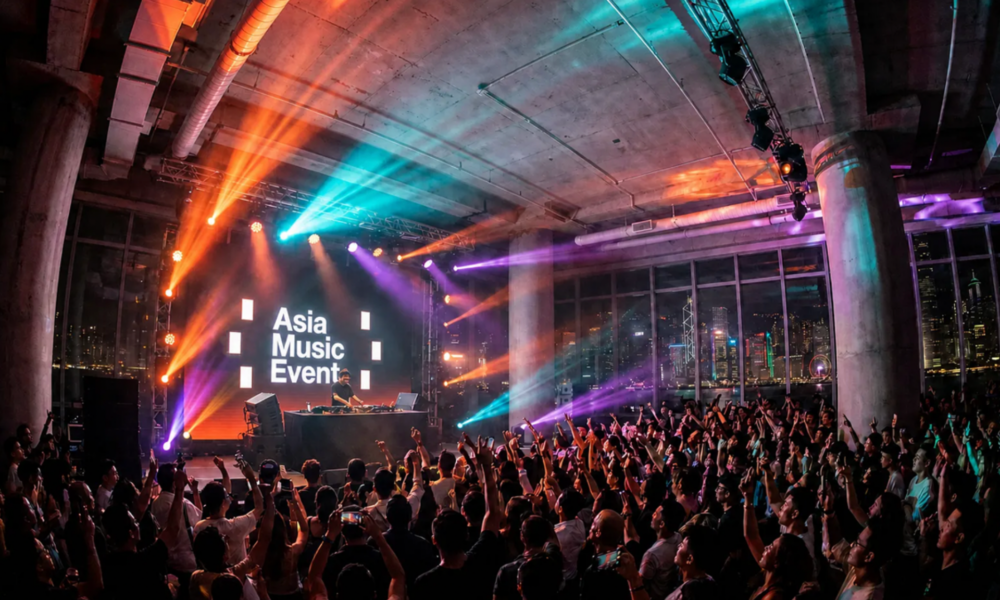
Hong Kong is set to host a new electronic music industry conference this November with the launch of Asia Music Event (AME). The inaugural edition will take place at Soho House Hong Kong on November 26 and 27, bringing more than 1,000 music professionals and 200 companies together for two days of panels, keynotes, workshops, networking and showcases. Beatport, Warner Music, Zamna Festival, Ismaya Group, Djakarta Warehouse Project and The Magic of Tomorrowland are among the names already involved, giving the first edition a mix of global companies and major players from across the Asian market. As electronic music continues to grow across the region, AME is launching with the aim of creating a dedicated industry meeting point in Asia, where labels, festivals, artists, agencies and platforms can meet and do business in one place.
What to Expect From Asia Music Event 2026
Across two days, Asia Music Event (AME) will feature more than 30 sessions looking at different parts of the electronic music industry across Asia. Keynotes, panel discussions and workshops will cover topics relevant to artists, labels, festivals, promoters, agencies, platforms and brands, with more than 100 speakers and industry figures expected to take part. The first group already includes names from Beatport, Warner Music, Ismaya Group, Djakarta Warehouse Project, Lisbon Dance Summit and The Magic of Tomorrowland, with further speakers and session details expected ahead of November.
Attendees will also have access to curated networking and matchmaking sessions, creating more direct opportunities for companies and professionals from Asian and international markets to meet. Showcases and brand activations will also give the conference a live music component across the two days. The two-day event will conclude on November 27 with the AME Official Closing Party, with its artist lineup set to be announced separately.
Meet Some of the Speakers at Asia Music Event 2026
A major part of Asia Music Event (AME) will be the range of people contributing to its discussions, with the current speaker list already covering several sides of the electronic music industry. Becky Yeung, Regional VP of Brand Partnerships, Sync and Business at Warner Music APAC, brings experience across 13 markets, giving the conference insight into how music, brands and commercial partnerships operate across the region.
Ayudita Hariadi, Head of Artist Bookings at Ismaya Group, adds the perspective of large-scale live events through her work with Djakarta Warehouse Project, where international bookings and Asian talent development are both central to the festival’s growth.
That range continues with Jesper Skibsby, founder and CEO of WARM and Co-Founder and Head of Vision at Lisbon Dance Summit, whose work combines music data, radio tracking and conference development across international markets.
Leo Arbez brings the discussion closer to Hong Kong through Magic Room, Nodes Rec. and 22Systm Studio, covering events, releases and nightlife within the city itself. Together, those different backgrounds give AME more than a speaker lineup of executives, because the conversations can draw from people working directly across recorded music, festivals, data, artist bookings and local nightlife. More speakers and further session details are expected to be announced in the lead-up to the conference this November.
Why Asia Music Event 2026 Matters for Asia and Beyond
For Asia, the importance of AME comes from giving the region’s expanding electronic music sector a dedicated place to meet on its own terms. The region already has major festivals, labels, promoters, artists and nightlife markets, but they operate across countries with very different business structures, audiences and opportunities. Bringing those parts of the industry together in Hong Kong gives regional companies more direct access to international partners, while also giving global businesses a clearer understanding of how electronic music operates across different Asian markets.
That access becomes more valuable when considering how different those markets can be from one another. Markets across Asia can differ significantly in their booking structures, audience habits, local partners and commercial realities, which can be difficult to understand from outside. A conference like AME gives those differences space to be discussed directly by the people already working within them, while creating more opportunities for artists, promoters and companies to form relationships across borders. If the event continues to grow in the years ahead, its importance could extend well beyond Hong Kong by giving the wider electronic music industry a more direct way to engage with Asia.