From streetside eateries to fine dining tables across the Hong Kong Special Administrative Region, a familiar bottle quietly anchors countless meals, serving as an old friend conjuring up the city’s everyday flavors.
Its name is Pat Chun — a 94-year-old brand and one of the city’s most prominent sauce brewers. Its sweetened vinegar is the soul of zhujiaojiang — a nourishing dish of pork trotters and ginger simmered in sweet vinegar, traditionally served to new mothers for postpartum recovery.
From breakfast counters to a new mother’s meal tray, Pat Chun’s sweet vinegar has long been part of Hong Kong’s most ordinary and sacred moments. But it’s far more than that. The company, founded in 1932, offers over 500 products — from sauces and pickles to snacks and festive delicacies. Yet, behind this extensive range stands a small team of just 50 people, with only 25 dedicated to production.
“It’s probably not the most efficient way to run a business,” says Pat Chun’s managing director Trevor Ng Shen-kuan.
When Ng took over the family business 15 years ago, he found switching between product lines inefficient. He recalls asking his father why they did things this way. “You think about the most successful companies out there — they focus on a core product and run it through a production line as efficiently as they can.”
Over time, Ng has come to comprehend the philosophy behind this approach. “Every single product is something that either I or my family likes to eat,” he says. “The value of cooking for the family is woven into the company’s DNA. Make it as well as possible for the family and, if others appreciate it, they can buy it from us so I can earn a living.”
The tradition started with Ng’s grandfather who, initially, made pork stew as gifts for relatives and friends during festivals. The food was so popular that people offered to pay for it. The pattern has been passed down through generations with some of Pat Chun’s precooked and prepacked dishes having grown out of the cravings of a nephew of the entrepreneur while at boarding school abroad. “Over 94 years, we’ve accumulated 500-plus products,” says Ng.
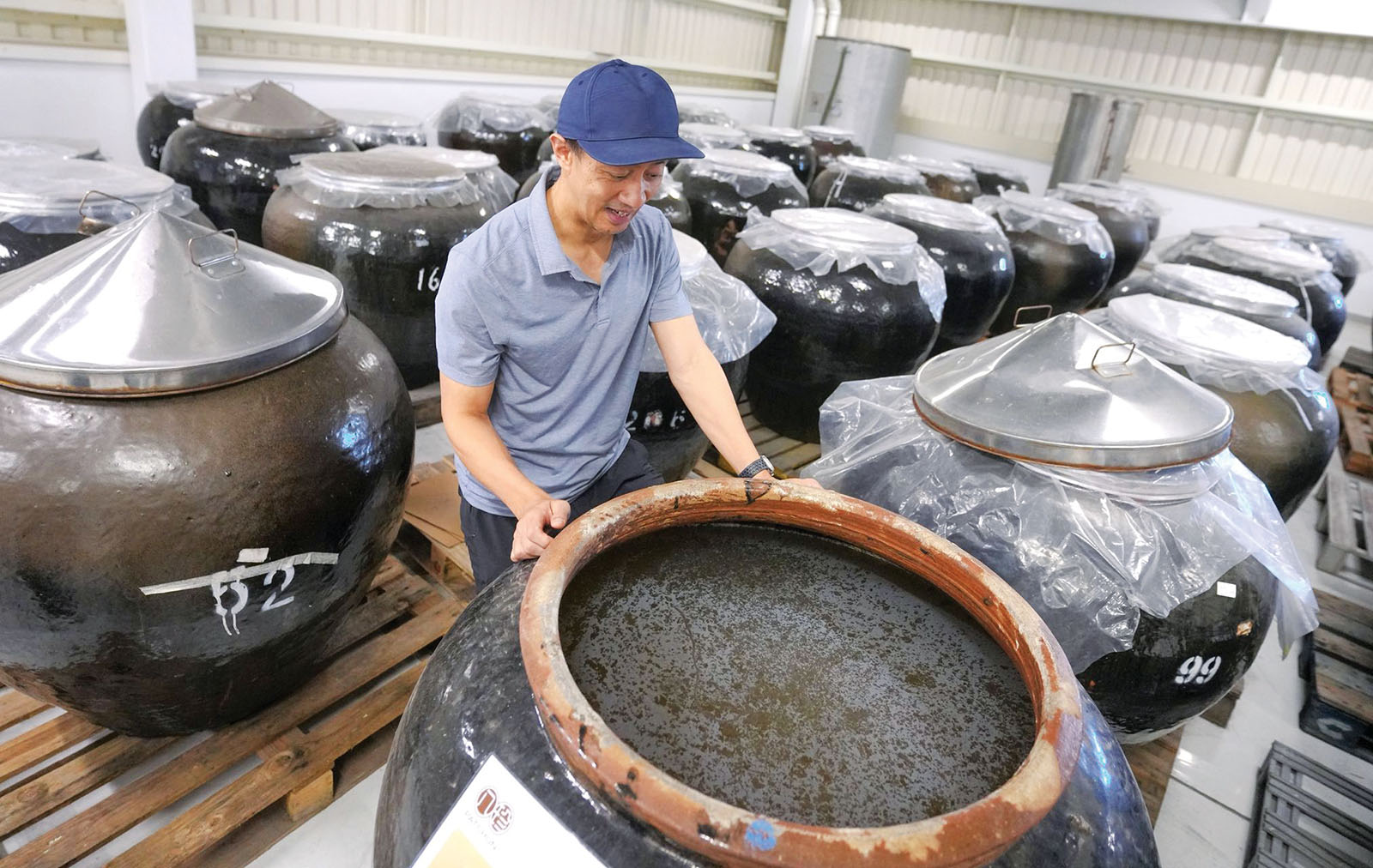
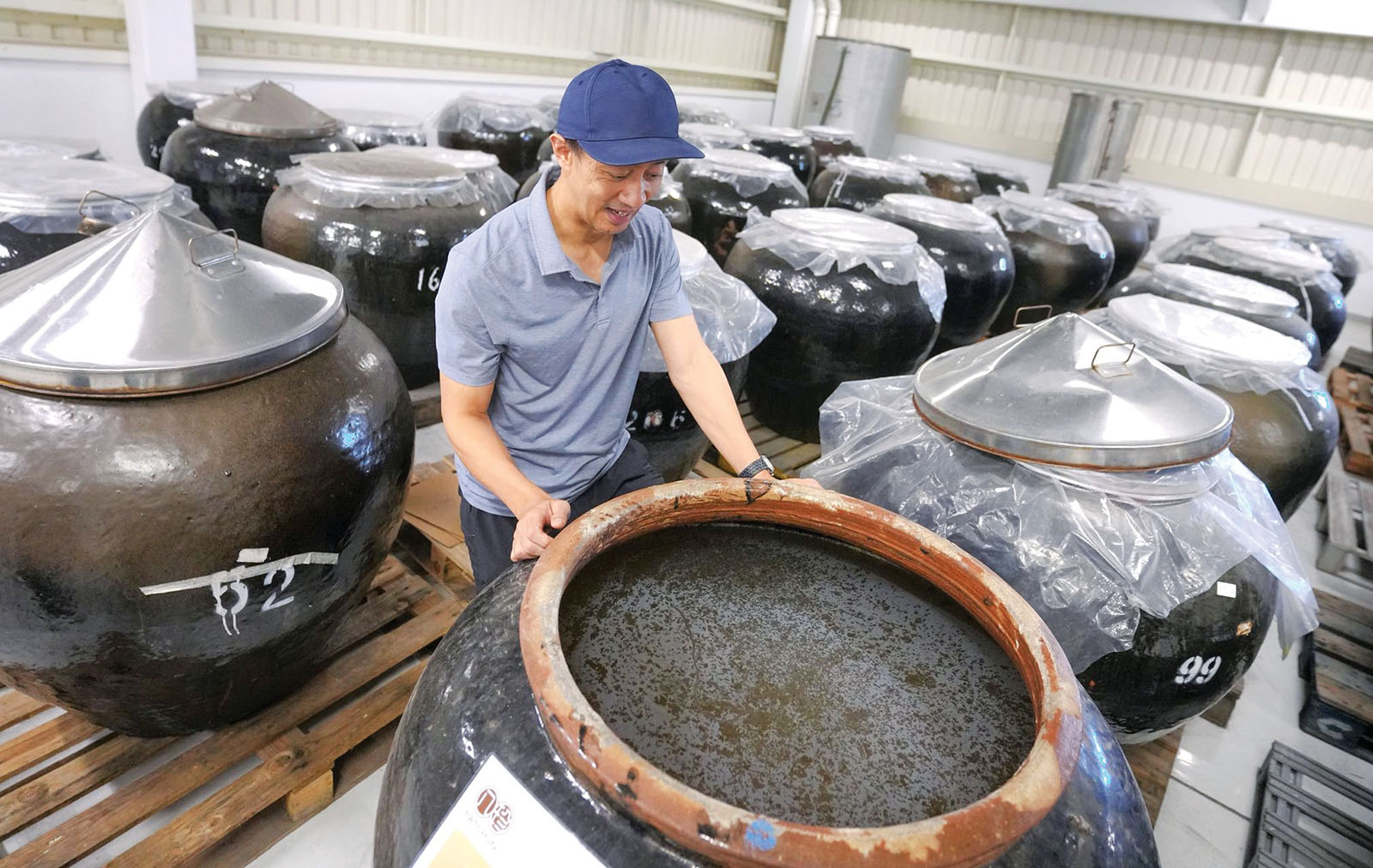
For the entrepreneur, preserving Pat Chun’s legacy means keeping manufacturing local. Just as fine wine draws its character from the region where grapes are grown, the brand’s distinctive flavor is rooted in Hong Kong’s local terroir (a French term for the natural environment that gives a wine its unique “sense of place”) — a delicate ecosystem of unique local microbes.
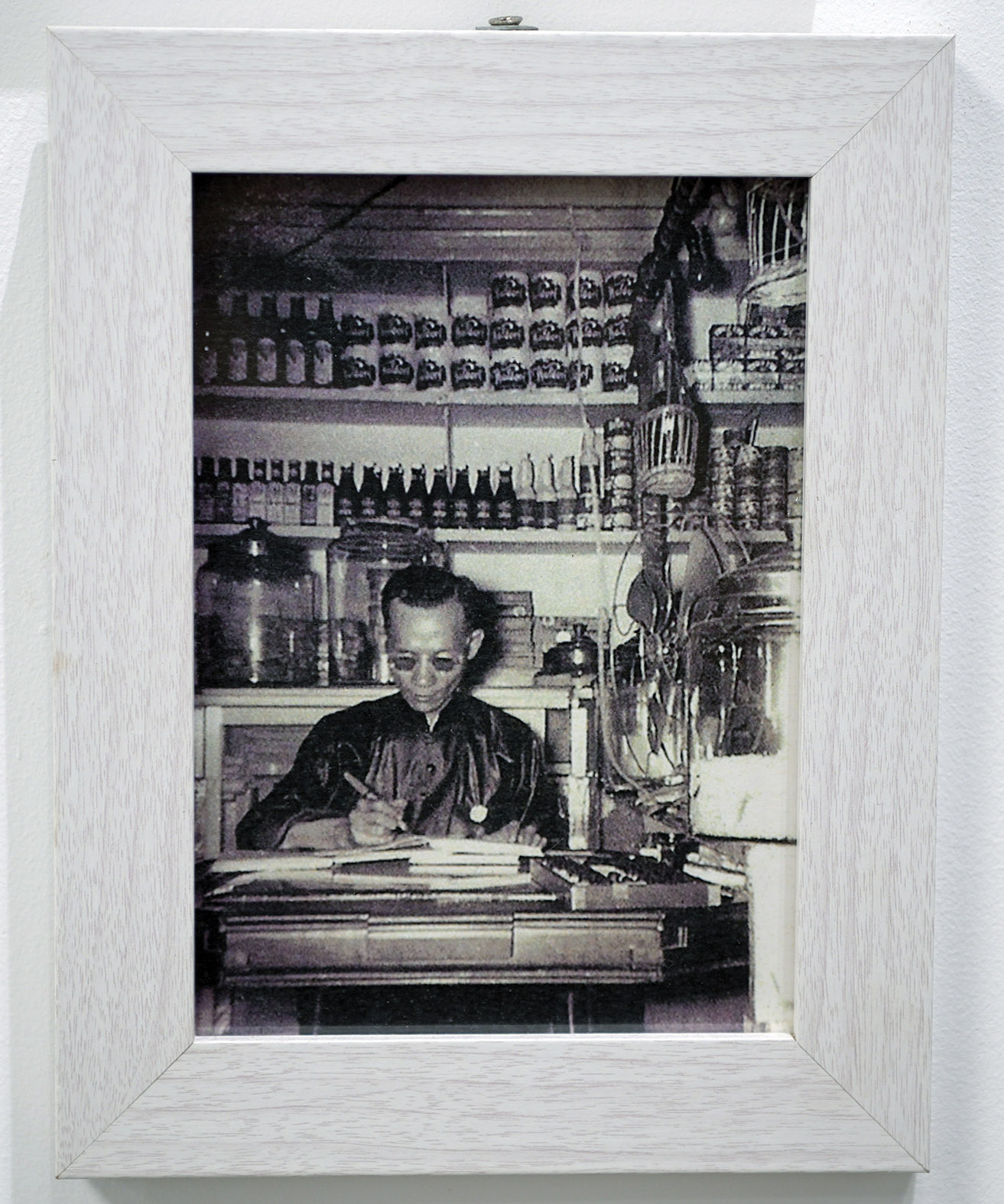
These microbial communities are temperamental and can’t be easily transplanted. Ng reminisces that, sometimes, even moving production from one room to another within the same building could upset the delicate balance. “Making it in Hong Kong does result in a very particular taste that’s not reproducible if you move it too far away.”
This organic process requires an equally meticulous level of human oversight. Rejecting automated factory lines that “just run on their own”, Ng keeps a spreadsheet and personally tastes the products — a task where physical proximity is key.
“It’s a big advantage that the facility is just a 15-minute drive from my home,” he says, noting the balance required to run the enterprise while raising his young children, the oldest of which is only six. “I have to come in to taste it. That’s another important reason we’ve chosen to keep our main production in Hong Kong.”
The same hands-on approach influences the design of the factory itself. When Ng built the new plant and facilities, he drew on his engineering background to figure out how to optimize energy use. While solar panels are the most visible part of his sustainability strategy, he insists that generating clean energy represents only half the battle. “The more important part is to use less energy in the first place.”
Such a philosophy is deeply embedded in the plant’s layout, where natural ventilation takes priority. “We try to have as much ventilation as possible without resorting to air-conditioning,” he says. “Giant high-volume, low-speed fans keep the air moving efficiently. When we first installed them, they weren’t that common. ”
The factory’s heat recovery systems capture waste heat from cooking and repurpose it. “When you cook, you generate a lot of heat. Extracting that heat and reusing it is a big part of saving energy,” Ng adds.
For a nearly century-old brand like Pat Chun, staying relevant and embracing the times is paramount. Today, Pat Chun caters to not only traditional Cantonese eateries and postpartum care but also to the global culinary scene.
Ng is delighted that Pat Chun’s products are embraced by the world’s top chefs, such as Andrew Wong, who uses its vinegar to create unique desserts at his two-Michelin-star restaurant in London.
Back home, Pat Chun is experimenting with its own heritage. It is exploring ways of using its vinegar to craft unexpected treats like ice cream and cookies, and has teamed up with a local brewery to produce a vinegar-infused craft beer. These creations testify to the versatility of traditional flavors and serve as a bridge to new generations.
The name Pat Chun, derived from the ancient Book of Rites, refers to the eight most precious ingredients reserved for noble feasts.
Ng sums it up in three words — “delicious, nutritious and safe”. To him, it’s a pledge rooted in the belief that the food he entrusts to his family is the very same he offers his customers.
Contact the writers at dannyxu@chinadailyhk.com