Later this week, China will officially release its 15th five-year plan for 2026 to 2030. In the country’s state-led economy, these plans are critical vehicles for setting the policy agenda. In its top-down political system, they also establish an important incentive structure for lower-level officials.
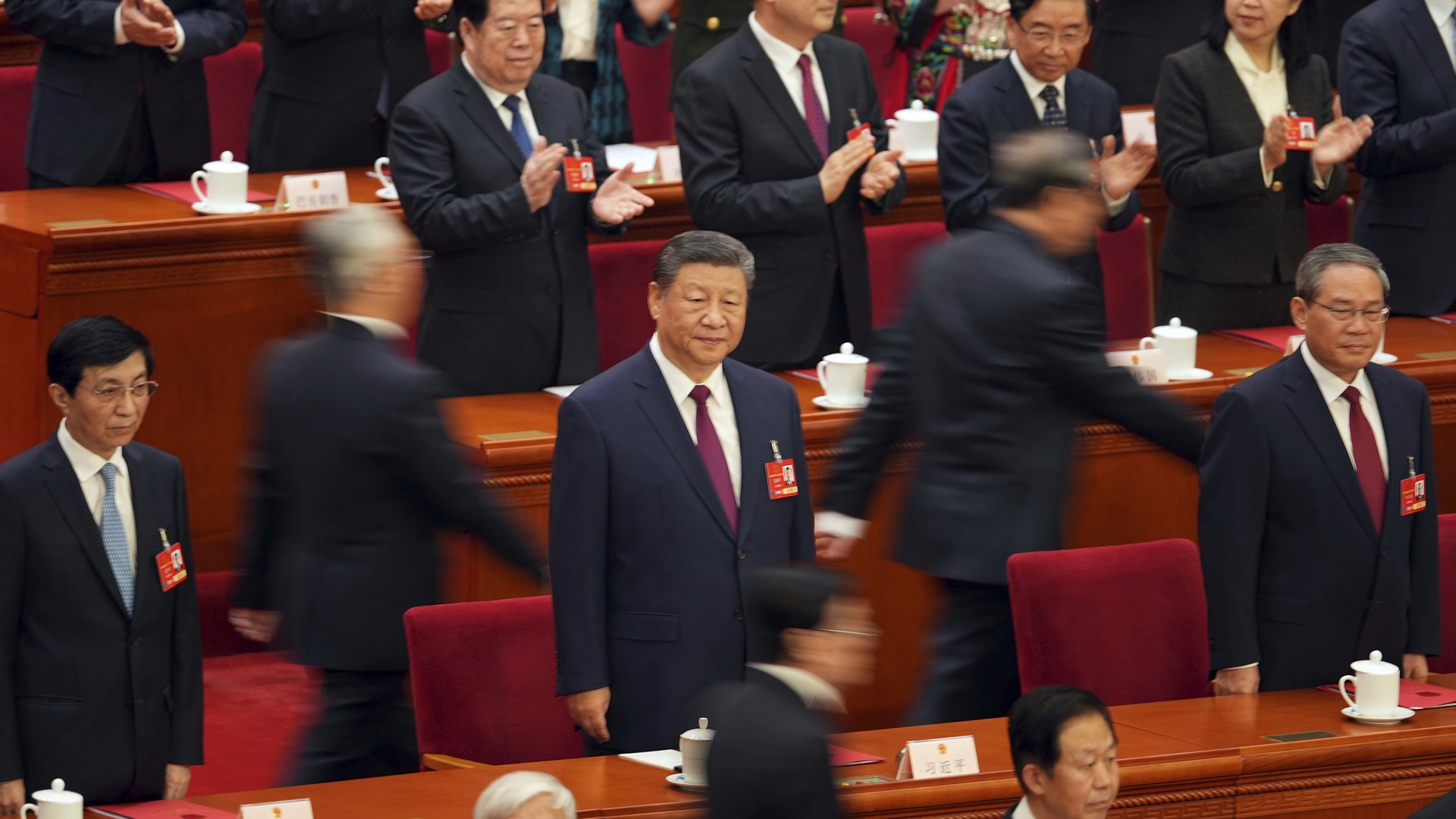
Because of the removal of term limits for the presidency as well as leadership of the Chinese Communist Party in 2018, this is the third five-year plan on Xi Jinping’s watch, compared to only two each for all of his predecessors in the post-Deng period. That is another mark of Xi’s standing as the preeminent figure in recent Chinese history, and he will accordingly use this plan to solidify his vision for China’s modernization.
The preliminary proposals for the next five-year plan, announced during the Fourth Plenum last October, are clear in telegraphing continuity with existing policies that focus on the supply side of the economy, especially high-end manufacturing and technology. Those looking for a major shift toward domestic consumption or structural reform will be disappointed. But this comes from Xi’s strong sense of confidence that China is on the right path, not from a sense of weakness or fiscal constraints, though weaknesses and constraints exist.