[The content of this article has been produced by our advertising partner.]
Nearly one in ten people in Hong Kong now live with diabetes, and the city’s burden is growing. An ageing population, shifting lifestyles, and a substantial number of undiagnosed cases have combined to make diabetes an increasingly urgent public-health challenge2,3. For people with diabetes (PwD) the condition is a daily physical reality, but its wider consequences are less visible: diabetes steadily erodes mental and emotional wellbeing, and stigma and social barriers compound patients’ struggles.
To quantify these hidden burdens, Roche commissioned a global online study last year that surveyed 4,326 PwD and 11,984 people without diabetes across 22 countries and regions, including Hong Kong1. The study maps the everyday physical and psychological costs of living with diabetes, documents social stigma, and gauges patient appetite for medical and digital solutions that could ease both clinical and emotional strain.
The daily mental load
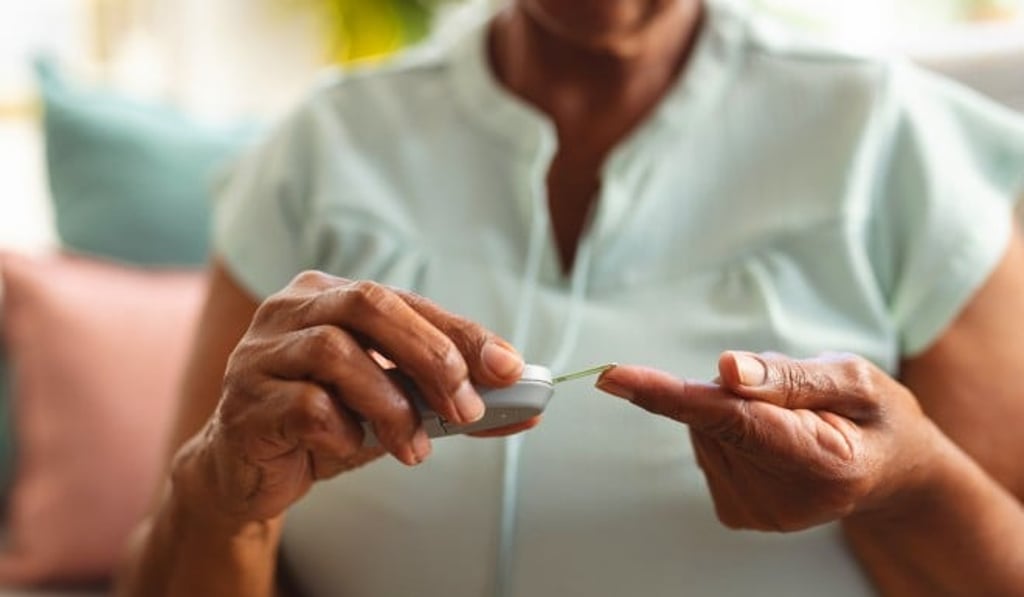
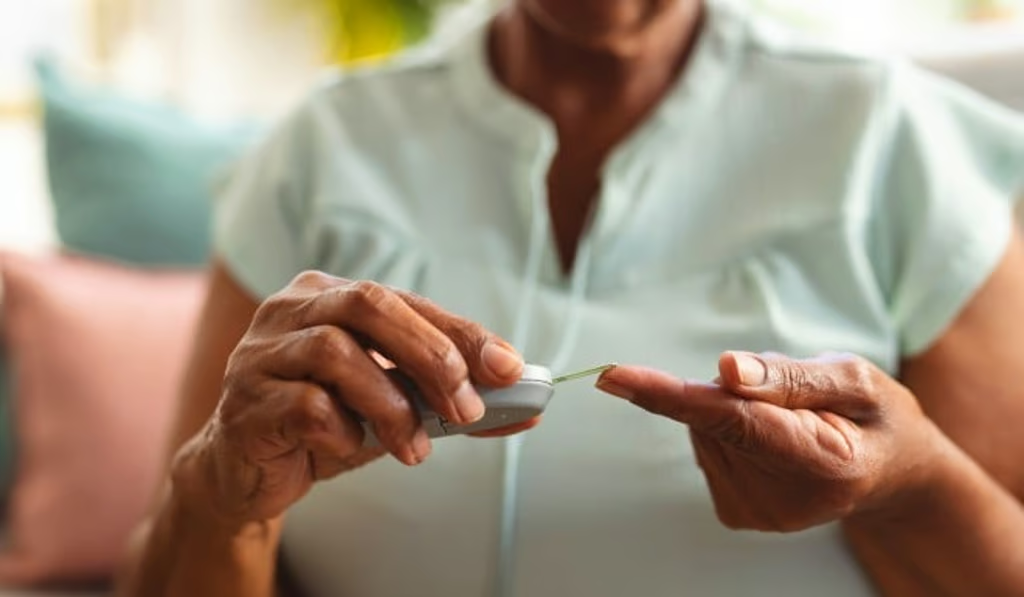
Managing diabetes means constant planning: timing medication, choosing meals, monitoring glucose, and recalculating risks whenever plans change. These are not abstract inconveniences but persistent mental tasks that reshape ordinary life. The study finds that 43 percent of PwD say diabetes affects even small choices like what to wear for the day1; more than half report it complicates household chores and childcare1, interferes with high-intensity exercise, and makes travel more difficult. Spontaneity is a casualty: 61 percent of PwD say the condition undermines their confidence that the day will go as planned1.
Fatigue and disrupted sleep amplify the psychological burden. 71 percent of PwD often feel tired because of their condition; many report difficulties falling asleep and trouble relaxing before bed1. These concerns are practical as well as existential: independence, long-term health decline, and the ability to plan a life without constant medical interruption weigh heavily on patients’ minds.

Workplaces are another fraught arena. Globally, one in ten PwD are dissatisfied with workplace support1. Nearly half of respondents say diabetes undermines their sense of acceptance in professional circles1. More than half feel it limits their ability to take on new responsibilities1. Intimacy and social connection are also affected. While many PwD are open about emotional challenges with family, friends, and healthcare teams, broader social life can feel isolating.
Education, empathy, and practical support
The survey points to a clear remedy: better public education and workplace understanding. Practical, targeted education can reduce stigma and ease daily life. Schools, employers, and community organisations can offer concise training that emphasises empathy, reasonable accommodations, and flexible policies so PwD feel included rather than isolated. Families and friends matter: emotional support from close circles, combined with clinicians trained to address psychological as well as physical needs, helps patients voice worries they may not share elsewhere. Framing diabetes as a whole-life condition rather than a private failing is essential to shifting public attitudes.
Technology, integration, and a path to confidence

Yet technology alone is not enough. The remedy is twofold: clinical advances that reduce the cognitive load of management, and social change that removes barriers to participation. Workplaces that understand and adapt, communities that learn and accommodate, and public education that replaces assumptions with empathy will together lighten the mental load PwD carry.
Next Steps: Scaling Support and AI Solutions for Hong Kong’s PwD

Roche intends to use these insights to collaborate with patient groups, NGOs, and healthcare providers on education initiatives that promote proactive, confidence-building care. This local study offers policymakers and clinicians a vital window into the daily challenges faced by PwD.
Ronald Lo, General Manager of Roche Diagnostics (Hong Kong), has highlighted the need for society to shift diabetes care from disease treatment to mental wellbeing.
“The message is straightforward: when society recognises diabetes as a condition that touches every part of life, not just a clinical problem to be managed in isolation, the mental and emotional burdens on PwD can be shared. With better education, smarter technologies, and workplaces and communities that adapt, people with diabetes in Hong Kong can expect not only improved health outcomes but fuller, less anxious lives.”
Roche’s global leadership in tailored diagnostic innovation and its commitment to local action positions it to help drive that change—translating data into predictive alerts that restore dignity, reduce stigma, and give patients the practical tools and social support they need to thrive.
About Roche
Since our founding almost 130 years ago in Basel, Switzerland, Roche has grown into one of the world’s largest healthcare and biotech companies. We combine life-changing diagnostics and medicines to take on the toughest healthcare challenges, those that place the greatest strain on patients, families, communities and health systems. Guided by the experiences of patients, we are determined to prevent, stop and cure diseases so people can live healthier, longer lives.
Reference:
- Source: GWI – Roche Diabetes Study Sep 2025. Base: 4,326 PwD, 11,984 gen pop without diabetes aged 16-99. Markets: Global
- https://diabetesatlas.org/data-by-location/country/china-hong-kong-sar
- https://www.chp.gov.hk/en/features/103652.html
- Diabetes Australia: Blood glucose monitoring | Diabetes Australia. Accessed May 2023
- NDSS Continuous Glucose Monitoring Factsheet: Version 7 June 2022. First published April 2018. NDSSFS010. Continuous glucose monitoring fact sheet (ndss.com.au)
- American Diabetes Association. 7. Diabetes Technology: Standards of Medical Care in Diabetes. Diabetes Care. 2022;45(Suppl 1):S97–S112.
The information provided by Roche is intended for informational purposes only and does not constitute medical advice. Always seek the advice of your doctor or other qualified healthcare provider with any questions regarding your medical condition.

