In February, a landmark study in the journal Science delivered rare good news for conservation: a five-year fishing ban in the Yangtze River had halted seven decades of biodiversity near-collapse. Fish biomass has surged, and the critically endangered finless porpoise has begun to rebound. Researchers showed that sustained, collective action can revive an ecosystem. The lesson for Hong Kong is both inspiring and urgent.
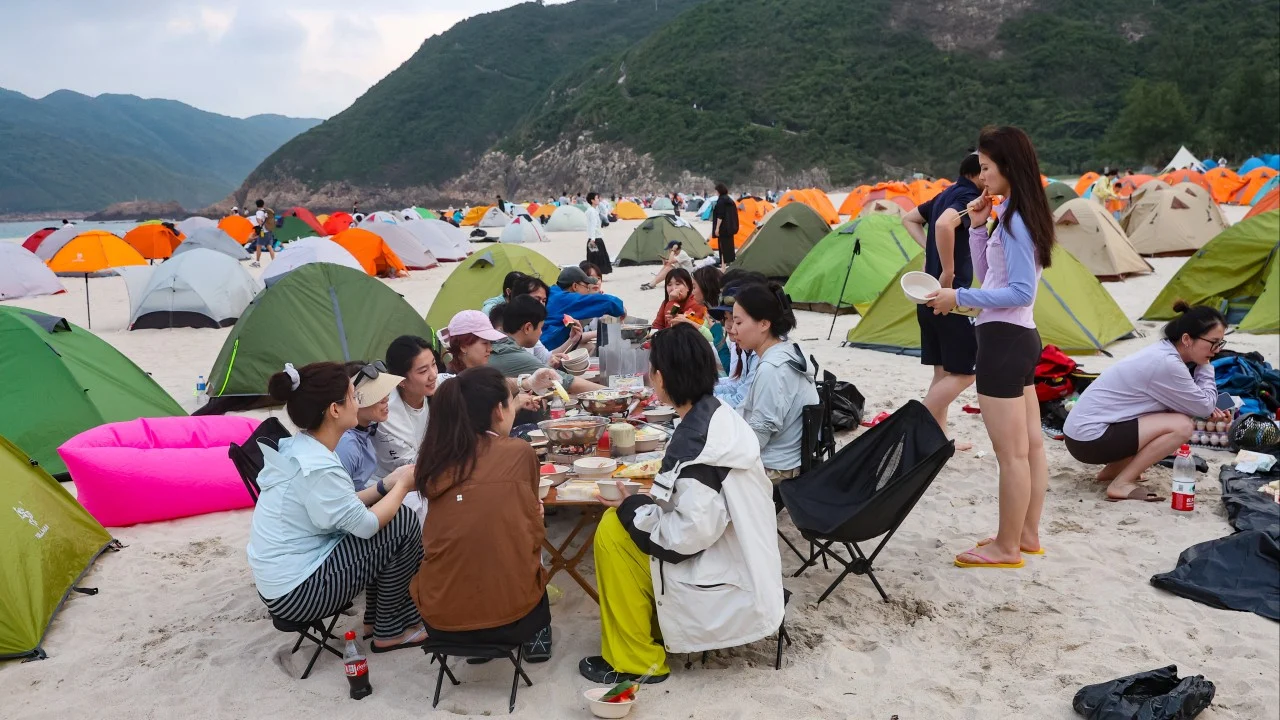
Hong Kong is at a critical juncture in its environmental history. Last October, more than 4,000 visitors flocked to Sharp Island in just one day. Some visitors dug up coastal organisms, trampled on coral beds and lit illegal fires. Although part of Hong Kong’s Unesco Global Geopark, Sharp Island falls outside the boundaries of any statutory marine park, leaving it without enforceable conservation protection.
Greenpeace sounded the alarm. The authorities responded, after the damage had occurred.
Hong Kong’s overnight visitor spending fell from HK$193 billion in 2015 to HK$128 billion (US$16.34 billion) last year, and ecotourism is seen as a pathway to growth. The government aims to double down on ecotourism with its Development Blueprint for Hong Kong’s Tourism Industry 2.0, but any success in meeting the challenge has yet to be seen.
Ecotourism is defined globally by clear principles agreed upon by organisations such as the United Nations, International Union for Conservation of Nature and Global Sustainable Tourism Council: it should minimise environmental impact, achieve genuine conservation outcomes and benefit local communities.
Unfortunately, much of what Hong Kong identifies as “ecotourism” falls short, resembling instead nature-adjacent mass tourism characterised by high foot traffic. Popular sites like Sharp Island, High Island Reservoir East Dam, MacLehose Trail and Ham Tin Wan are experiencing increased ecological damage.
Visited 5 times, 1 visit(s) today