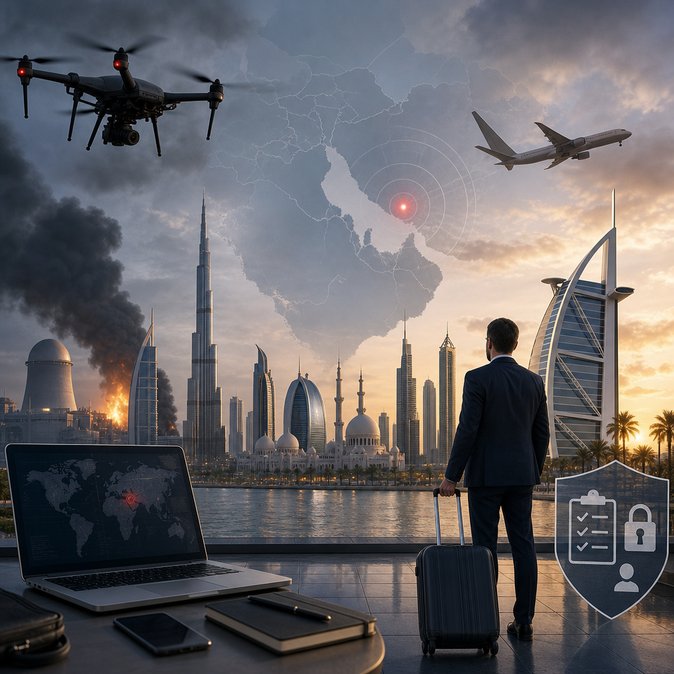
The United Kingdom’s Foreign, Commonwealth & Development Office (FCDO) updated its travel advice on Monday, 18 May 2026, urging British nationals to avoid all but essential travel to the United Arab Emirates following a reported drone strike near a nuclear facility during the ongoing Iran-US conflict. The advisory, first issued in February, was extensively revised overnight after air-defence interceptions triggered temporary airspace closures and flight diversions across the Gulf.
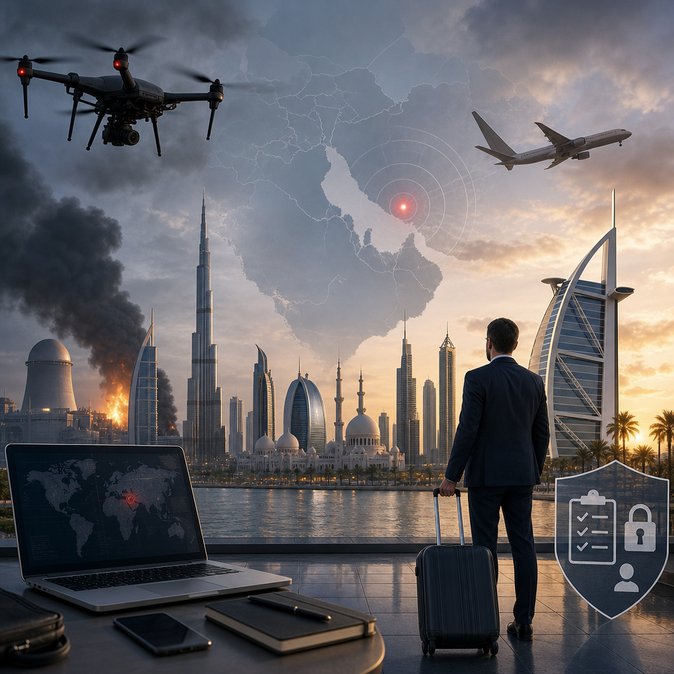
For travellers who nevertheless have compelling reasons to enter the country, VisaHQ can streamline the paperwork. Its UAE specialists (https://www.visahq.com/united-arab-emirates/) expedite entry permits, arrange last-minute renewals and provide guidance on the additional documentation that insurers and employers now demand to justify “essential” travel, allowing mobility teams to focus on real-time security planning rather than red tape.
Under the new guidance, employers must carry out explicit security risk assessments before sending staff to Dubai, Abu Dhabi or the Northern Emirates, and should document why travel is ‘‘essential’’—a prerequisite for many corporate insurance policies. Travellers already in the UAE are advised to limit movements, avoid sites linked to US or Israeli interests, and monitor the government’s SMS alert system that warns of incoming projectiles. Commercial flights have resumed, but the FCDO notes that schedules remain fluid. Emirates is automatically re-booking passengers whose flights are cancelled up to 31 May, while airlines such as British Airways continue reduced frequencies, citing overflight-routing constraints. Mobility managers should therefore build flexibility into tickets—open returns or fully refundable fares—until the regional situation stabilises. The advisory also reminds visitors that posting photos or criticism of security incidents can violate UAE cyber-crime laws; employees on short assignments must be briefed to refrain from sharing sensitive content on social media. British companies have already reported one arrest of an expatriate who filmed missile interceptions from a hotel balcony. Practically, the higher threat level may trigger ‘‘war exclusion’’ clauses in some corporate travel-insurance policies. Firms should confirm coverage and, where necessary, purchase specialist kidnap-and-crisis extensions. HR departments are equally urged to update emergency-contact protocols and ensure employees enrol in the FCDO’s travel-alert email system. While the UAE government stresses that day-to-day life continues largely unaffected, conference organisers are starting to see cancellations from UK-based delegates. Event hosts are responding by offering hybrid attendance options and flexible refund terms—an important consideration for talent-development programmes and regional sales kick-offs scheduled for late Q2.