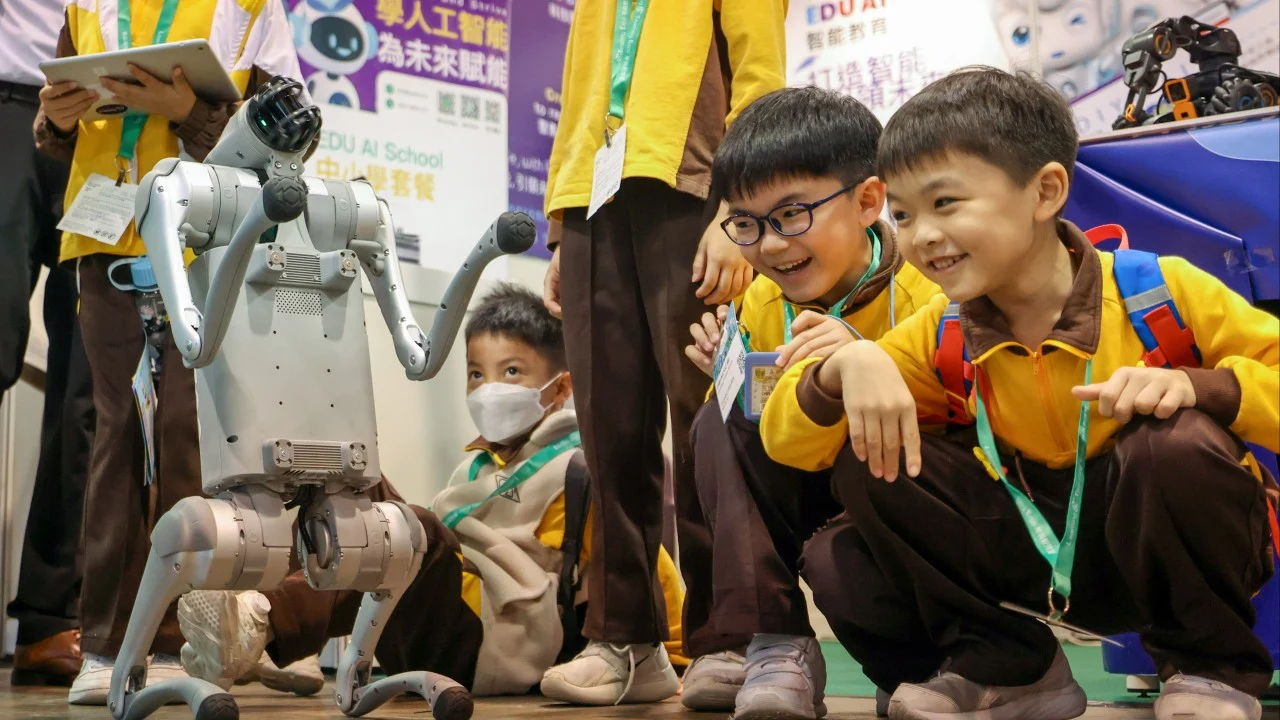
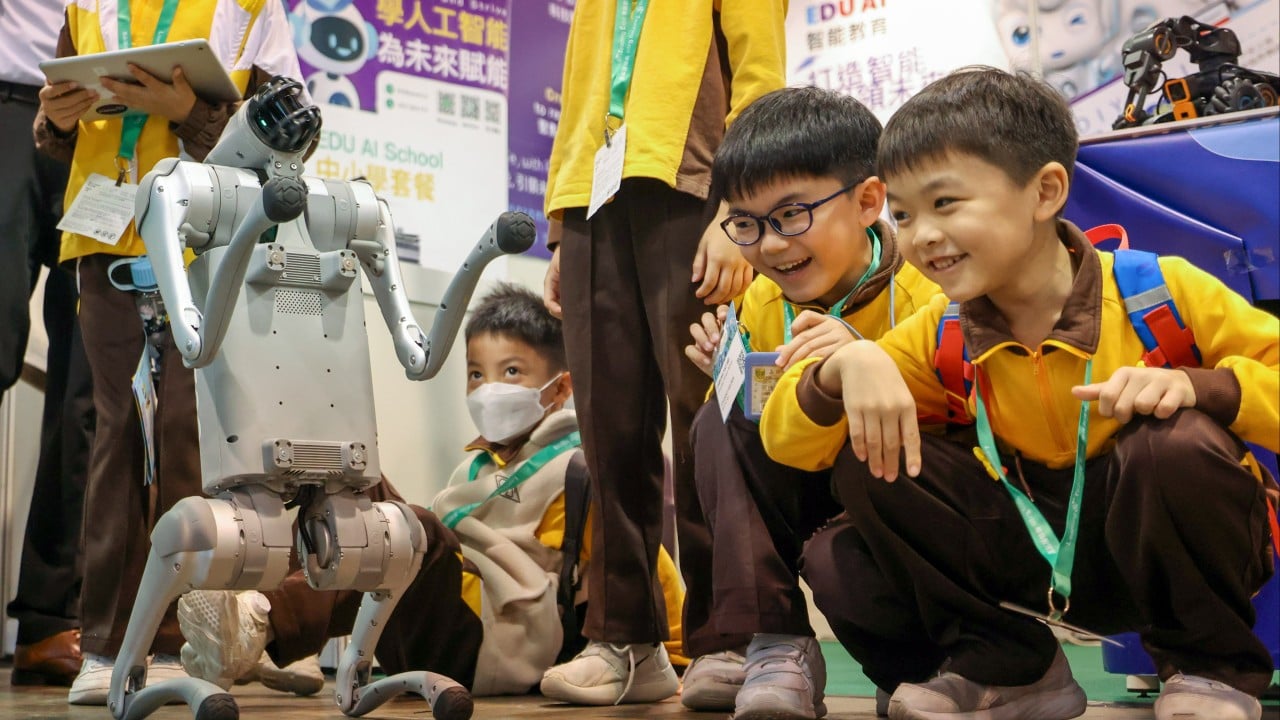
It has incorporated concerns and suggestions raised by educators and researchers, including an AI pedagogical framework, a plan to build a shared resource platform, and progressive AI literacy training for teachers.
Our Hong Kong Foundation’s survey, conducted between July and December last year, found that while two-thirds of teachers say they integrate AI tools in their classrooms, the figure varies sharply by subject. About 89 per cent of information and communication technology teachers reported teaching their students to use AI tools, while 70 per cent of languages and science teachers did so. In comparison, only around 44 per cent of mathematics teachers reported integrating AI in their teaching, with the percentage falling to 40 per cent for visual arts, music and history.
Digital education brings the opportunity to rethink how every subject is taught and how learning is assessed. Publishing a blueprint is only the first step. The blueprint should trigger subject-wide curriculum renewal, with AI literacy built into every subject’s learning objectives, with teachers supported to use AI in areas where it deepens thinking, improves practice or offers new perspectives.
That is a demanding task for already-busy teachers. Simply urging more AI use risks either token gestures or quiet resistance.