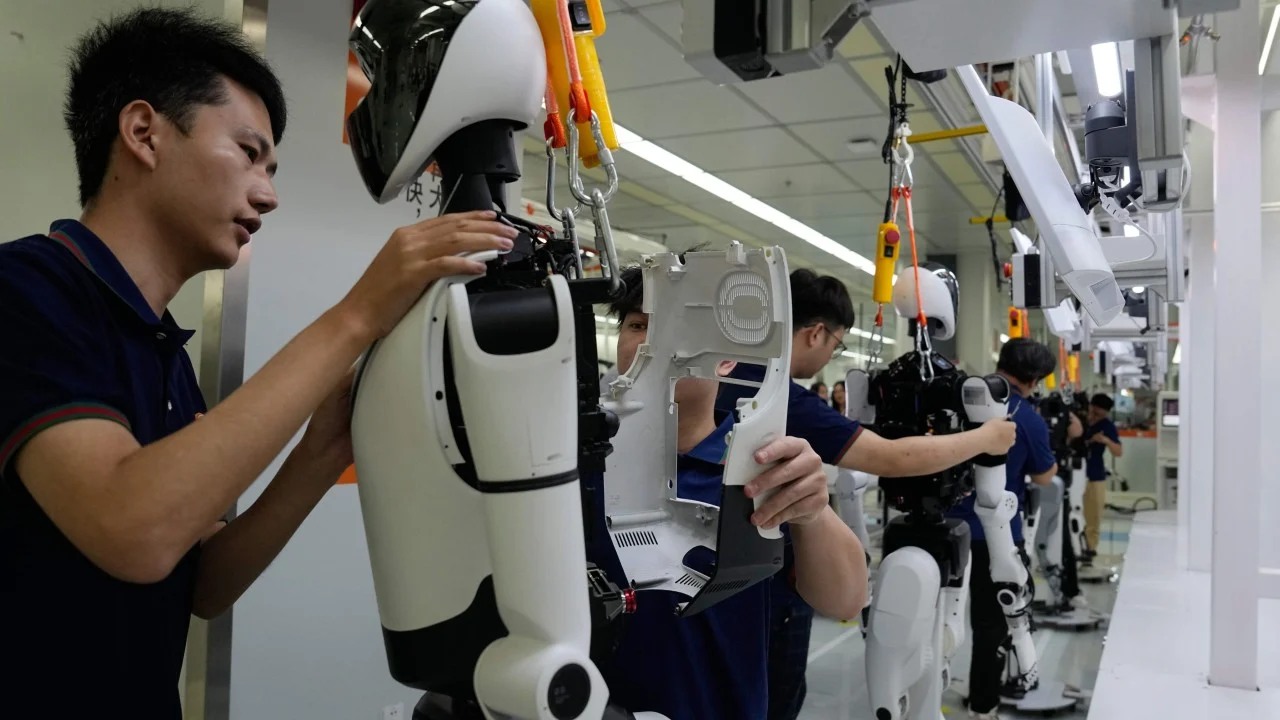
The proliferation of artificial intelligence (AI) has only compounded such concerns – not only in China. A Stanford paper published last year found a 16 per cent relative decline in entry-level employment among AI-exposed occupations in the United States since 2022, while employment in experienced roles has remained stable.
In the hypercompetitive job market, with AI misinformation and the technology’s incorporation into multiple areas – from military decisions to financial analysis – it is tempting to conclude that educators must prioritise science, technology, engineering and maths (STEM) subjects and machine learning to equip students with the necessary knowledge and literacy for their future.
Yet a singular fixation on STEM is wrong. In an era of accelerated technological progress and adoption, the lines dividing what humans and AI can do are increasingly blurred. To thrive, we must go back to the basics of what makes us unique as humans, as opposed to machines that perform tasks.
This is where the humanities come in – from classics and history to languages and literature, from sociology and anthropology to philosophy.