
National Nutrition Week, September 1 to September 7 every year, seeks to raise awareness about the importance of balanced diets, healthy eating habits, and adequate nutrition. But in a country as diverse as India, nutrition is about much more than counting calories or following the latest diet trend. It is about ensuring that every child, adult, and senior citizen gets the nutrients needed to grow, work, learn, age, and live well.The message is simple: food is not merely fuel; it is the foundation of health.
Nutrition is more than a full stomach
India has made significant progress in improving food security, yet nutrition remains a complex challenge. Undernutrition continues to affect vulnerable communities, while overweight, obesity, and lifestyle-related diseases are increasing in urban and rural populations alike.This creates what experts often describe as the double burden of malnutrition: deficiencies and excesses existing side by side.A person can consume enough calories and still be deficient in iron, protein, vitamin D, calcium, vitamin B12, or other essential micronutrients. Similarly, a diet high in refined carbohydrates, salt, sugar, and unhealthy fats may provide plenty of energy without providing the nutrients the body needs.We should measure nutrition by diet quality and variety, not just food quantity.
The Indian plate already has many answers
One of the most encouraging aspects of India’s food culture is its extraordinary diversity.From millets and pulses to vegetables, fruits, nuts, seeds, dairy, and traditional fermented foods, Indian kitchens have long offered ingredients that support a nutritious diet.A balanced meal does not have to be expensive or exotic. A bowl of dal with vegetables, roti or rice, curd, and a seasonal fruit can provide a remarkably useful combination of carbohydrates, protein, fiber, vitamins, and minerals.Regional foods can be equally valuable. Ragi, jowar, bajra, brown rice, lentils, chickpeas, green leafy vegetables, groundnuts, and locally available fruits can all contribute to a healthy diet.The lesson for National Nutrition Week is, therefore, not to abandon traditional foods but to rediscover their nutritional strengths while adapting them to modern lifestyles.
Protein deserves a bigger place
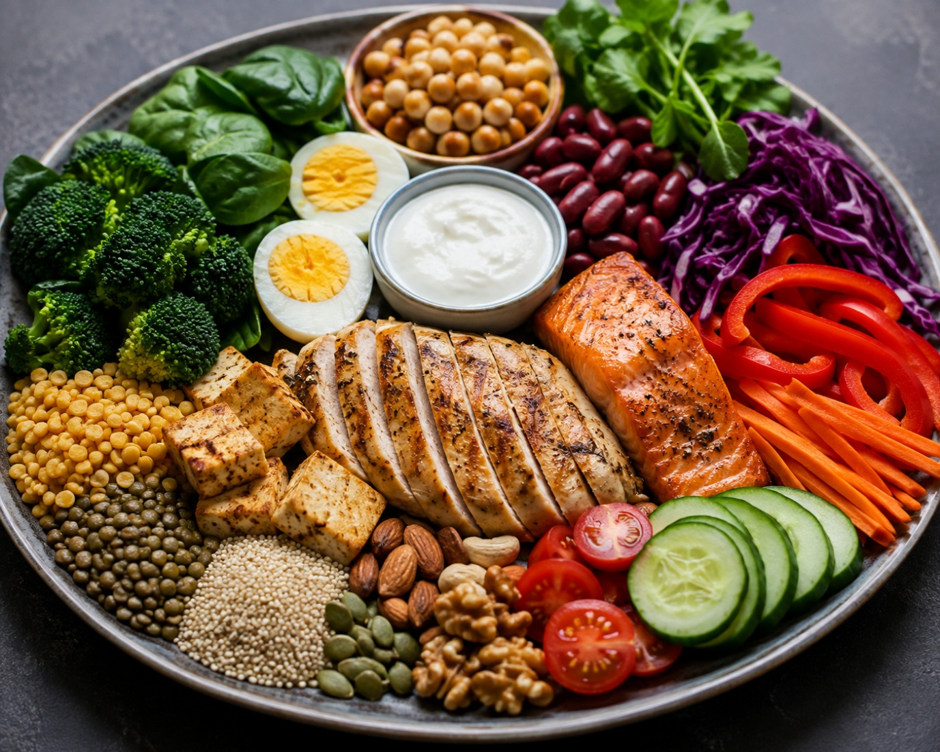
Platter of protein-rich food
Protein is essential for building and repairing tissues, maintaining muscles, supporting immunity, and producing enzymes and hormones.Yet protein can sometimes receive less attention than carbohydrates in everyday Indian meals.Vegetarians can obtain protein from dals, beans, chickpeas, peas, soy products, milk, curd, paneer, nuts, and seeds. Eggs, fish, chicken, and other animal foods can provide additional options for those who consume them.The goal is not to turn every meal into a high-protein fitness diet. It is to make sure that protein-rich foods are regularly and sensibly included in meals.For older adults in particular, adequate protein, combined with appropriate physical activity, can become increasingly important for maintaining muscle strength and independence.
Micronutrients
Micronutrients are small substances that have a significant impact on health.Vitamins and minerals may be required in relatively small quantities, but their impact on health is enormous.Iron is vital for producing hemoglobin. Calcium supports bones and teeth. Iodine is important for thyroid function. Vitamin A contributes to vision and immune function, while several B vitamins play roles in energy metabolism and nervous system function.Iron deficiency, for example, can contribute to anemia, fatigue, and impaired concentration. Children and adolescents have particularly important nutritional needs because their bodies and brains are developing rapidly.This makes nutrition education especially important in schools and communities. Teaching children to recognize nutritious foods and develop healthy eating habits can influence their health for decades.
The ultra-processed food trap
Modern life has made convenience food increasingly attractive. Packaged snacks, sugary drinks, instant meals, and heavily processed foods can save time, but frequent consumption can make it harder to maintain a balanced diet.The problem is not that every packaged food is inherently unhealthy. Rather, diets dominated by foods high in added sugars, sodium, saturated fats, and calories can gradually displace more nutritious choices.The occasional treat is not the enemy. The bigger issue is habitual excess.Reading food labels, comparing products, and choosing minimally processed foods more often are practical ways for consumers to take control of their diets.
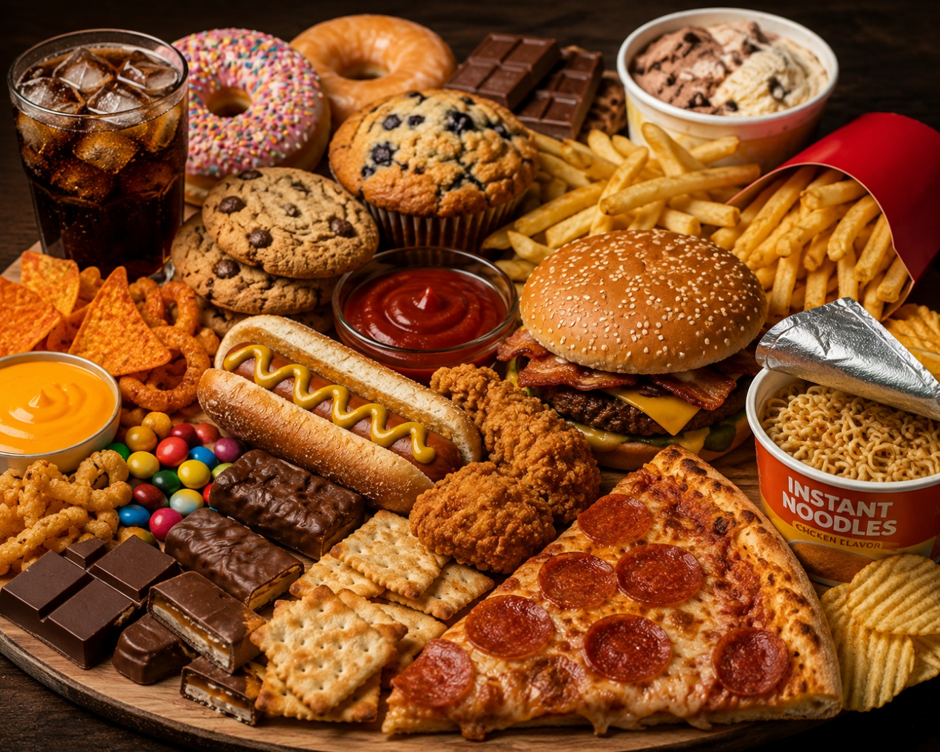
Platter of foods high in added sugars, sodium, saturated fats, and calories.
Nutrition begins before adulthood
The first years of life represent a crucial period for growth and development. Maternal nutrition, breastfeeding, appropriate complementary feeding, and a diverse diet during childhood can have lasting consequences.Pregnant women have increased nutritional requirements, while infants and young children need nutrient-dense foods suited to their developmental stage.Adolescence is another important window. Rapid physical growth increases nutritional requirements, making healthy eating particularly important. At the same time, teenagers may also become more susceptible to social media, advertising, and unrealistic body-image ideals.Nutrition education must, therefore, focus not only on what to eat but also on developing a healthy relationship with food and body image.
Nutrition for an aging India
As life expectancy increases, nutrition becomes increasingly important for healthy aging.Older adults may experience reduced appetite, changes in taste, dental difficulties, or challenges with meal preparation. Some may also have dietary requirements related to existing conditions.Meals that are nutrient-dense, varied, and appropriate to individual needs can help support strength and well-being.But there is no universal diet for every senior citizen. Dietary choices should take into account individual health needs and, where necessary, advice from qualified healthcare professionals or dietitians.
Small changes can create big gains
National Nutrition Week does not require everyone to transform their diet overnight.A more realistic approach is to make small, sustainable changes: add another serving of vegetables, include a fruit each day, choose whole grains more often, include a protein source in meals, reduce sugary drinks and highly processed snacks, use salt and sugar thoughtfully, and drink enough water.Families can make nutrition a shared activity by involving children in grocery shopping and cooking. Schools can make healthy eating part of everyday education. Workplaces can encourage healthier food choices in cafeterias and vending machines.And individuals can learn to question the latest diet fad before adopting it.
From awareness to action
The greatest value of National Nutrition Week lies in moving the conversation from awareness to action.Nutrition, income, education, culture, food availability, agriculture, marketing, public policy, and personal choices all influence nutrition. Nutrition is influenced by factors such as income, education, culture, food availability, agriculture, marketing, public policy, and personal choices. Tackling malnutrition, therefore, requires more than telling people to “eat healthy.” It requires accessible nutritious food, sound public health programs, nutrition education, and informed communities.India’s nutritional future will depend on making healthy choices easier—not merely telling people to make them.As National Nutrition Week 2026 approaches, perhaps the most important question is, “What diet should I follow? But what can I change on my plate today?The answer could be surprisingly simple: a little more variety, a little less excess, and a renewed appreciation for wholesome food.Because better nutrition is not a seven-day campaign but a lifelong investment—and one of the most powerful forms of preventive healthcare available to us every day.
Disclaimer: Views expressed above are the author’s own.