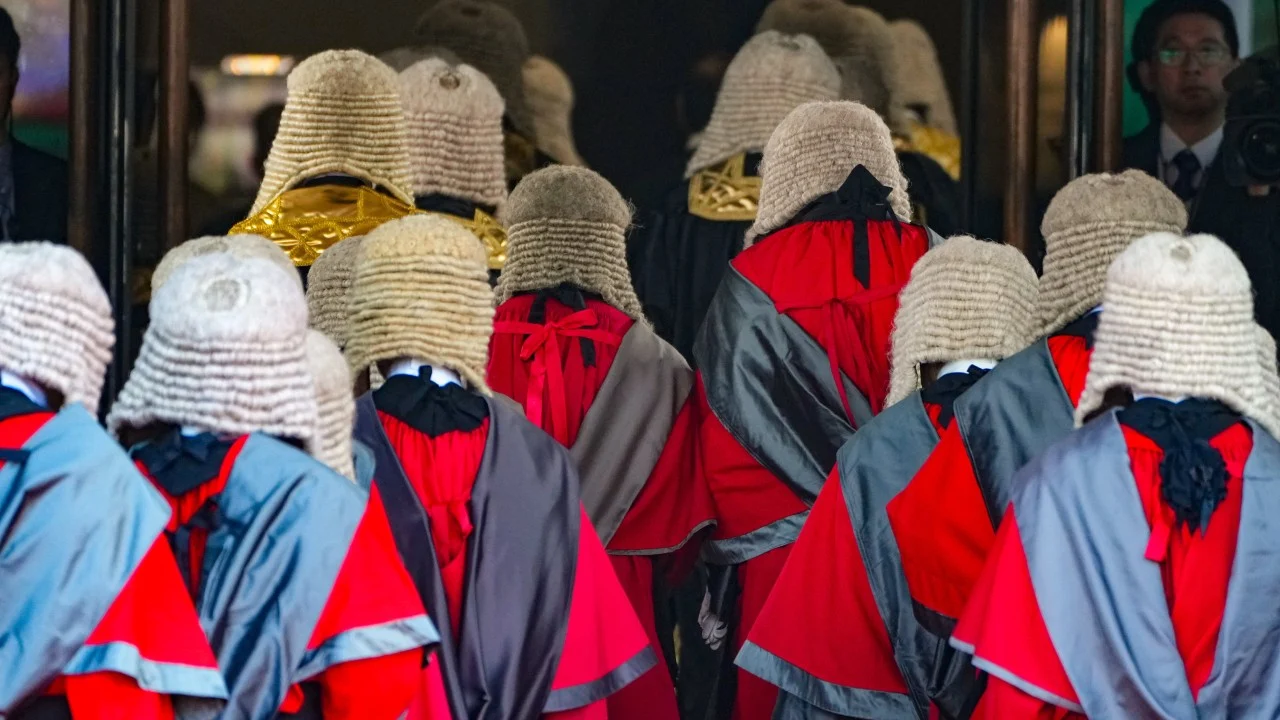
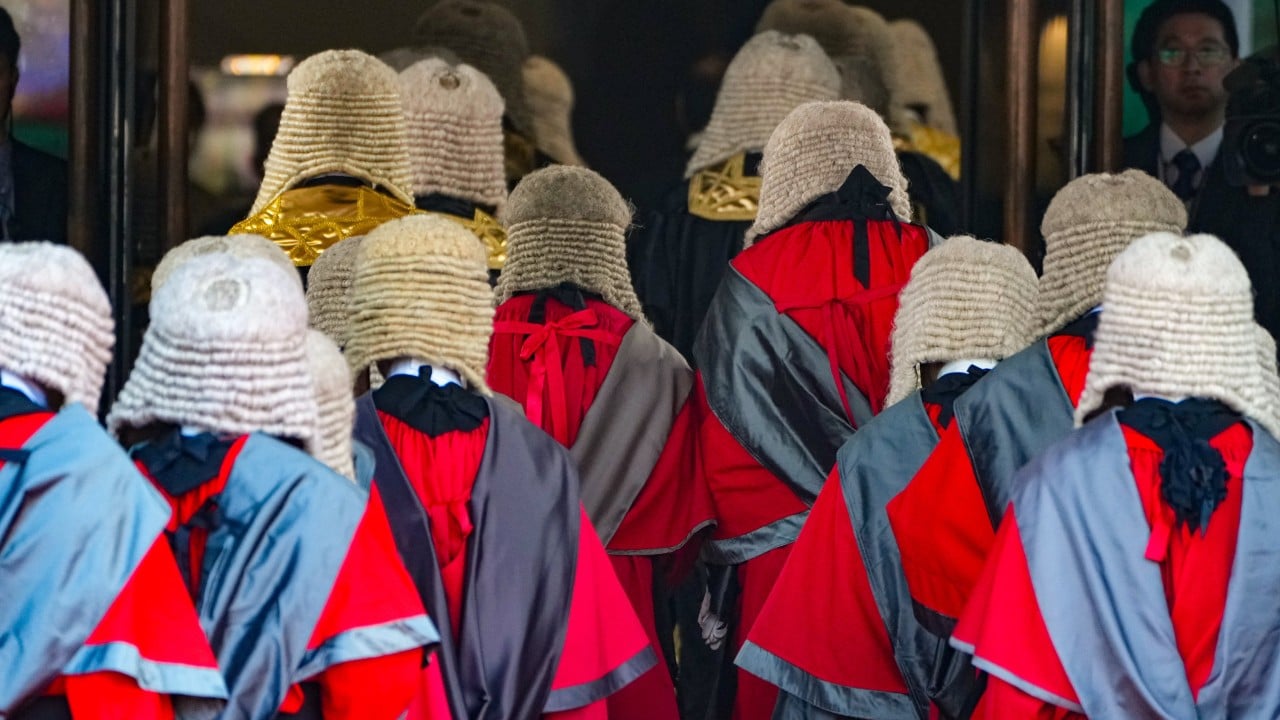
Jury trials are a rarity among the world’s legal traditions, but a fundamental bedrock of the common law system.
The jury’s role as the decider of a defendant’s guilt makes them the natural centrepiece of a criminal trial, but an often overlooked part of the process is the role of the trial judge.
The judge does not sit in the back seat while waiting for the jury to deliver its verdict; rather, the judge acts as a conductor of an orchestra, ensuring that each party plays their proper role and that the case can be tried smoothly.
This is no easy task, especially when complex criminal cases can easily last for many weeks, and involve difficult points of fact and law.
That burden is made heavier by the chronic understaffing of the judiciary in Hong Kong. With too few judges for the volume and complexity of work, cases press harder and harder upon sitting judges.
Multiple long trials are often fixed together in close succession, with any free days in the court’s calendar quickly filled up with several shorter hearings, such as sentencing and bail applications, that need to be handled quickly to ensure swift access to justice for defendants.