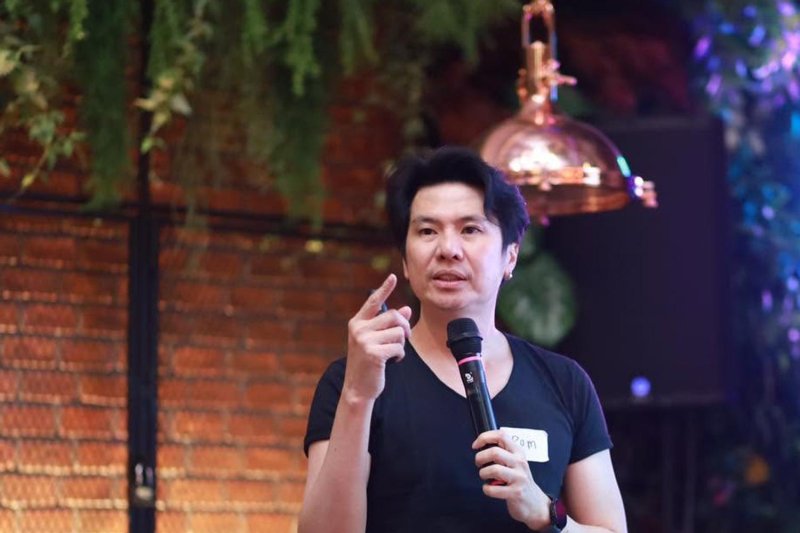
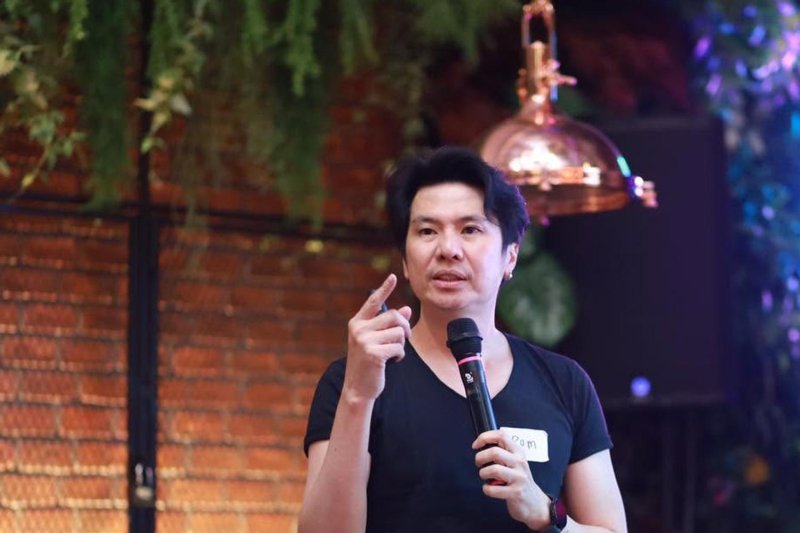
A sweeping investigation into an alleged foreign exchange (Forex) investment scam has widened to include politicians, influencers and online trading personalities, with People’s Party (PP) list MP Pawoot Pongvitayapanu among those whose financial transactions are being scrutinised.
Although Mr Pawoot has not been named as a suspect and denies any wrongdoing, the case has expanded beyond alleged investment fraud to include suspected illegal forex businesses, pyramid schemes, transnational criminal networks, and unlawful investment solicitation.
THE ALLEGED NETWORK
The forex investigation began in mid-June when the Department of Special Investigation (DSI), the Cyber Crime Investigation Bureau (CCIB), the Central Institute of Forensic Science and the Bank of Thailand (BoT) launched a coordinated operation codenamed “Shutdown the Laundering”, targeting 24 locations in Bangkok, Nonthaburi, Pathum Thani, Samut Prakan and Samut Sakhon.
Authorities seized more than 65 million baht in cash, luxury vehicles, gold, electronic devices, hardware wallets and other luxury items.
Investigators allege the network manipulated forex trading by delaying transactions, causing trading errors and, in some cases, freezing clients’ trading orders altogether.
The DSI said authorities have frozen 77 bank accounts linked to the network.
The investigation centres on the alleged fraudulent activities of brokerage firms QRS Global, HFM, GOFX and Eterwealth, as well as introducing brokers known as “Ajarn Phi” and “Coach James”.
Authorities said more than 500 people had allegedly been defrauded, with losses estimated at about 70 million baht.
Investigators allege the suspects lured victims by posing as licensed brokers while displaying lavish lifestyles and screenshots of highly profitable trading accounts.
Victims were initially allowed to withdraw money but later faced various fees and trading conditions that allegedly prevented them from accessing their funds, the DSI said.
Officials have also named influencers, entertainment figures and politicians as allegedly involved in establishing the firms.
PAWOOT’S DENIAL
The DSI said the network allegedly transferred 28 million baht to Mr Pawoot through 14 transactions. However, authorities stressed that the transfers alone do not prove wrongdoing and that the MP has not been named as a suspect.
Since his name was linked to the investigation, Mr Pawoot has maintained that he was simply an individual trader before entering politics.
“The transactions in question relate to my trading activities. I have traded gold and gold futures through online platforms. I have no connection whatsoever to the forex or scam case.
“I have never been involved in a pyramid scheme or any transnational criminal organisation, nor have I invited anyone to invest. As reported in the news, I was simply an individual trader.”
After the news broke, Mr Pawoot failed to appear in parliament for several days. He later said he had spent the time collecting financial records to prove his innocence and insisted he would not resign as an MP.
“I checked all my bank records, but as everyone knows, online banking only allows access to six months of transaction history. Since I have accounts with several banks, I had to visit branches to request records going back nearly five years.
“Some banks told me they needed approval from headquarters, which would take four to five days. Because the information is still incomplete, I didn’t want to speak publicly until I had all the facts. I want to be fully prepared before explaining everything to the DSI,” Mr Pawoot told reporters.
Because he has yet to obtain all of his bank statements, Mr Pawoot said he could neither confirm nor deny investigators’ claim that 28 million baht had passed through his accounts. He added that online trading in Thailand still faces significant legal loopholes.
“I want people to understand that I am simply a trader. There are many traders in Thailand. If you look online, trading is very common. The issue today is that there may be legal loopholes, with some brokers still operating without licences.”
Reporters also questioned Mr Pawoot about promotional videos in which he appeared and reward points earned through trading transactions that could be redeemed for a trip to France.
He said he had attended trading courses to improve his knowledge and that, after completing one course, organisers interviewed participants about their experiences.
“The videos simply featured me sharing my experience — how I trade and what I have learned. I never invited anyone to trade.”
SUSPICIOUS TIMING
Many have linked the forex raid to recent criticism of the controversial TH-AI Passport project, of which Mr Pawoot has been one of the fiercest critics.
PP deputy leader Sirikanya Tansakun said the timing coincided with increased scrutiny of the project, championed by Digital Economy and Society Minister Chaichanok Chidchob, secretary-general of the Bhumjaithai Party.
“The timing raises questions,” Ms Sirikanya said. “Only the suspect’s name was disclosed, while no charges have yet been announced.”
PP leader Natthaphong Ruengpanyawut questioned why Mr Pawoot was named during the DSI’s briefing despite not being formally charged or summoned for questioning.
In late June, the BoT confirmed that it has never had a policy of issuing licences to businesses offering foreign exchange trading or currency exchange services for investment or speculative purposes.
As a result, operating a forex business is an offence punishable by a fine of up to 20,000 baht, imprisonment of up to three years, or both.