Russian police have arrested citizens complaining of fuel shortages at the pump, as Ukraine’s drone campaign sparked fighting at petrol stations and rationing.
Moscow and its surrounding regions have been forced to reimpose purchase limits on fuel, capping sales at between 50 and 60 litres per vehicle.
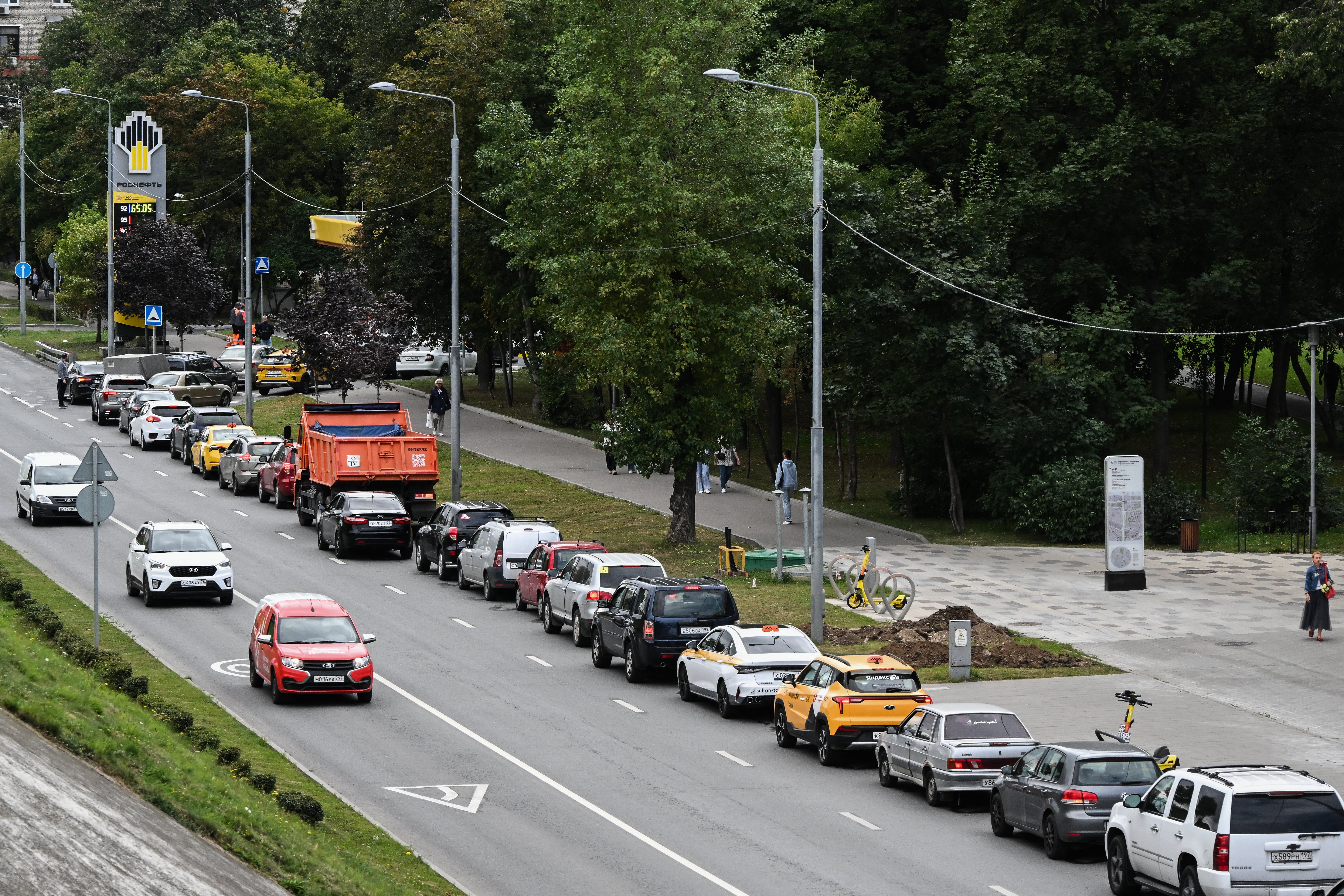
As Ukraine intensifies its “deep strike” campaign, hitting another major oil refinery on Wednesday, the strain on Russia’s domestic energy grid continues to grow. Across at least 12 regions, miles of gridlocked traffic now stall forecourts, with motorists waiting up to 30 hours only to find the pumps empty.
The prolonged waits have pushed the Russian public to breaking point, with footage showing fights erupting between drivers over fuel.

But Russians expressing concern about the situation are now finding themselves subject to fines and arrest.
In Volgograd, police detained five residents after they filmed a video appeal to Alexander Bastrykin, the head of Russia’s Investigative Committee, demanding to know why local officials were using priority fuel cards while public pumps sat dry. Authorities branded the five-person recording an “unauthorised public gathering” and issued fines.
Alexei Sevastyanov, a lawyer who was handed five days in detention for allegedly resisting police, has criticised the Kremlin’s crackdown.
Speaking to local outlet V1.ru, he said: “I think that intimidating people by saying that recording a video appeal requires approval from some administration is simply absurd.”
Similar intimidation tactics have been used in other regions. In Perm, resident Lev Samolovskikh was hit with a 10,000-rouble fine for mentioning a planned protest in a Telegram channel with just 44 subscribers.
Katia Glod, the deputy head of foreign policy at the New Eurasia Strategies Centre (NEST), said the crackdown indicated the significant impact of Kyiv’s aerial campaign on Russian infrastructure.
Ms Glod told The Independent: “This is a real crisis — there is no petrol whatsoever in 80 regions of the country, and a state of emergency has been declared in Crimea and parts of the Urals.
“Putin’s drastic moves indicate just how bad it is. Russia is now importing fuel from Azerbaijan, it’s asking if it can use refineries in Kazakhstan, police forces are being sent to guard refill stations — the crisis is severe.”
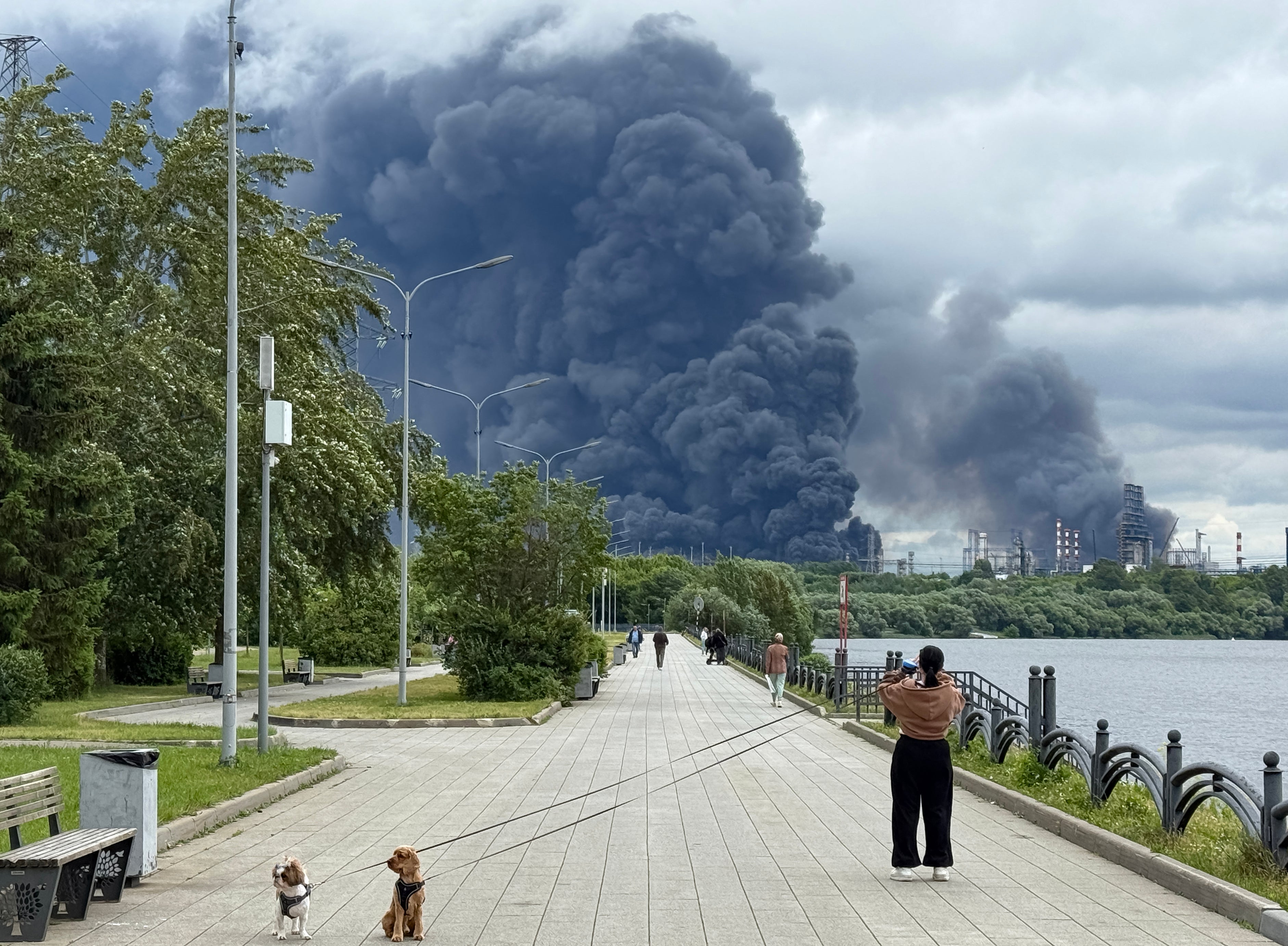
Since early August, Ukrainian drones have knocked out nearly a third of the country’s major oil refineries. Recent strikes set ablaze a vital processing facility in Bashkortostan, while another attack shuttered a major refinery in Orsk — where repairs could take up to six months.
Such strikes have dragged domestic oil production down to multi-decade lows. In July, Russia processed just 3.6 million barrels of crude per day – a third below the seasonal average and the lowest level since May 2000, leaving an estimated 50 million people facing supply disruptions.
While energy minister Sergei Tsivilyov has acknowledged the massive queues, he insists that fuel remains available, claiming that diesel can still be found “everywhere.”
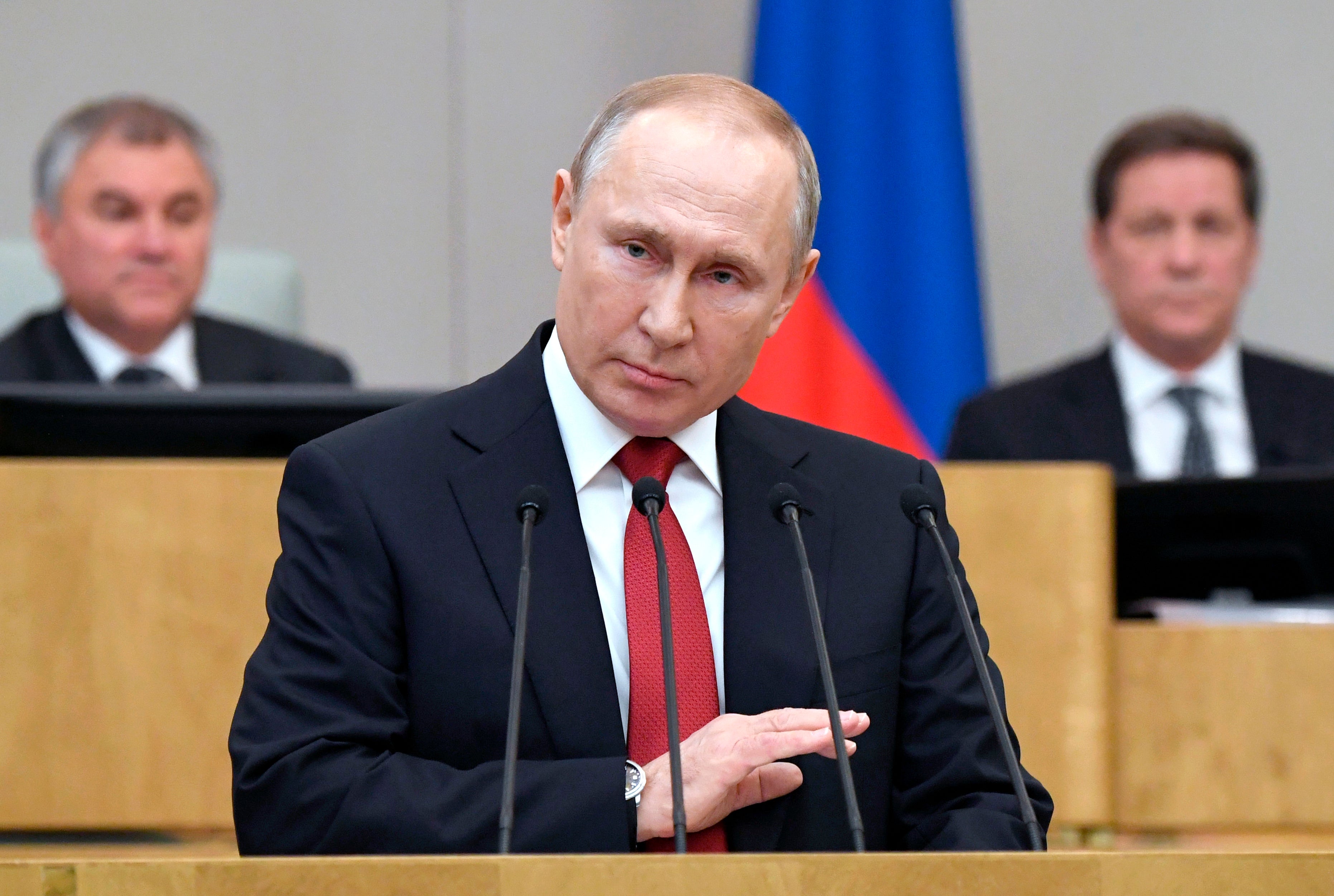
Ms Glod said the minister’s choice to disregard the crisis is not an isolated act: “Putin has still not admitted that there is a crisis. He is continuing to dismiss it as a result of supply bottle-necks and part of the wider West’s war on Russia, rather than effectively managing it.”
But this approach carries significant risks for the Kremlin, she added: “This is Putin’s biggest domestic challenge since the beginning of the war.
“The regime is not prepared to compromise, or deal with the fuel crisis in a human way — the response will most likely be more arrests, more repression — which Russia definitely has the capacity to do.”
While some have expressed hope that the fuel shortages will bring an end to the war in Ukraine, hopes of a diplomatic outcome appear remote with Washington bogged down by the war in Iran.
To stave off a total breakdown, the past months have seen Moscow resort to desperate stop-gap measures: extending export bans, quietly importing gasoline stockpiles from India, and slashing national production standards to permit Euro-2 fuel, which had been banned since 2013.
While deputy prime minister, Alexander Novak has previously touted these moves as achieving “partial stabilisation” of supply, Ukraine’s relentless targeting of Russian refineries has seen any brief respite vanish.
Ms Glod said that Moscow still has room to manoeuvre to reduce the impact of the shortages with better co-ordination and redistribution.
But the beginning of the crisis in May has prompted a marked change in public opinion, where polling has shown that increasing numbers of Russians now want the war to end – albeit on Russia’s terms.
“If this crisis continues — and it will continue if nothing changes — it will reach a point where Putin can no longer control it with propaganda and repression,” Ms Glod said.
“If the fuel shortages aren’t fixed, and inflation goes up, Putin will have to make some compromises, he will have to succumb to public pressure pressure,” she warned.