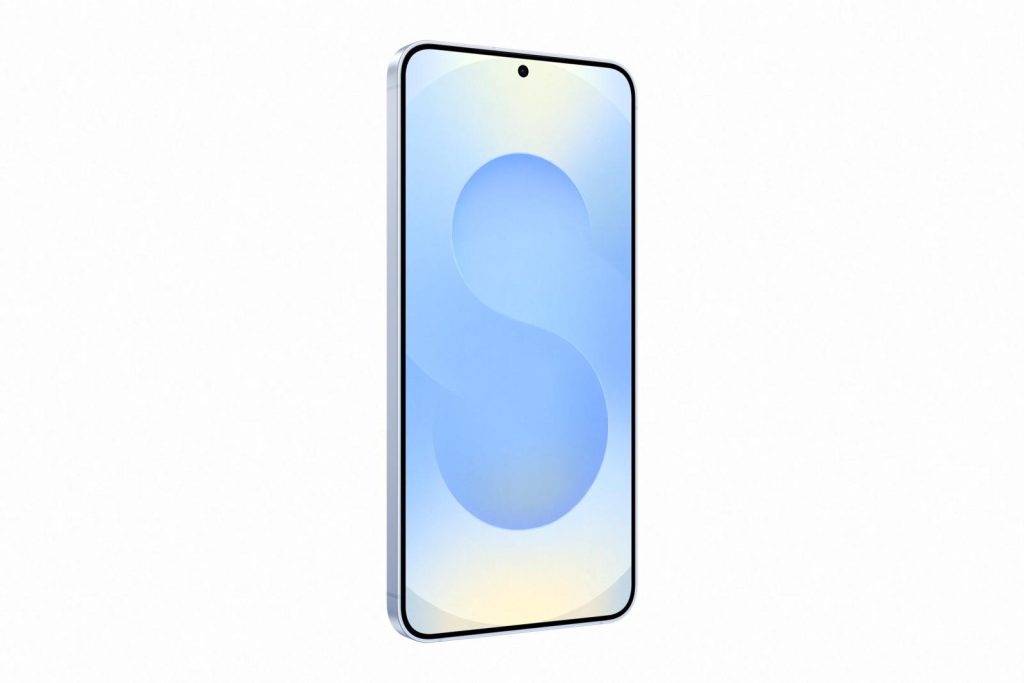
Our in‑house PC building expert, James, recently bought a new Samsung Galaxy smartphone on Amazon only to discover that he had unknowingly purchased an imported grey‑market device sold as a standard UK model. The situation left the phone without any manufacturer warranty and raised concerns that more UK buyers could be caught out by misleading phone listings on Amazon.
James ordered a Samsung Galaxy S25 from Amazon for his mum, assuming that a brand‑new phone sold on Amazon UK would be a UK‑spec model with full Samsung warranty. The listing came from a third‑party seller but did not mention imports, regional variants or warranty limitations. The page featured Samsung branding and links to the official Samsung Amazon storefront, giving the impression that the device was a genuine UK model.
The phone arrived quickly via Prime delivery and initially worked without issue. Everything transferred over from the old handset, the UK SIM card functioned normally, and there were no signs of a problem. A few days later, however, the device failed completely. The screen went black, would not respond to charging, and did not react to forced‑reset key combinations. When connected to a PC, Windows detected an unknown device, suggesting the handset had fallen into a Qualcomm bootloader state.
Samsung support initially advised that the device could be repaired under warranty and asked for the model and serial numbers. This is where the issue surfaced. The phone was identified as SM‑931U1, a U.S. model. Samsung UK confirmed that imported devices are not covered by UK warranty, even if sold as new through Amazon’s UK storefront. As a result, the handset, only weeks old, had no manufacturer warranty.
Amazon agreed to issue a refund, but only if the phone was returned to the third‑party seller. That created a new concern. The device still contains personal data, including banking apps, and cannot be wiped due to its firmware state. Returning it to an unknown seller, who already misrepresented the phone’s origin, poses an obvious privacy risk.
James then began researching the issue and found that grey‑market phones have been sold on Amazon UK for years, despite Amazon’s own seller rules forbidding this practice.
Amazon’s own support documentation warns that sellers must disclose regional differences that affect functionality or support, writing:
“For consumer electronics product types ‘Mobile Phones’, ‘Notebook Computers’ and ‘Tablet Computers’ with different country versions, each differentiated country version must have a differentiated product detail page. You must list the product’s country version corresponding to the one described on the product detail page. It is prohibited to list a product if its version on the product detail page is meant for another country (for example, listing under a UK version mobile phone the German version of this mobile phone).”
According to the Consumer Protection from Unfair Trading Regulations 2008, a commercial practice is considered a misleading omission if it hides or omits material information that would affect a consumer’s purchasing decision.
The Digital Markets, Competition and Consumers Act 2024 also notes that misleading omissions are prohibited, and enforcement can be carried out by local Trading Standards authorities or the Competition and Markets Authority.
Despite all of this, grey‑market listings remain on Amazon. Many appear identical to genuine UK listings, and unless buyers recognise foreign model numbers or inspect seller details closely, there is little indication that the device may be an import. In James’s case, the listing did not disclose the phone’s U.S. origin, did not warn that Samsung warranty would be void, and presented branding that suggested an official Samsung UK listing.
James’s experience raises a broader question about how many UK customers have unknowingly purchased imported devices through Amazon, believing they were buying standard UK models with full warranty support.
KitGuru Says: Have you ever ran into an issue claiming warranty after buying a phone on Amazon?