

Photo. Mark Carney/ Facebook
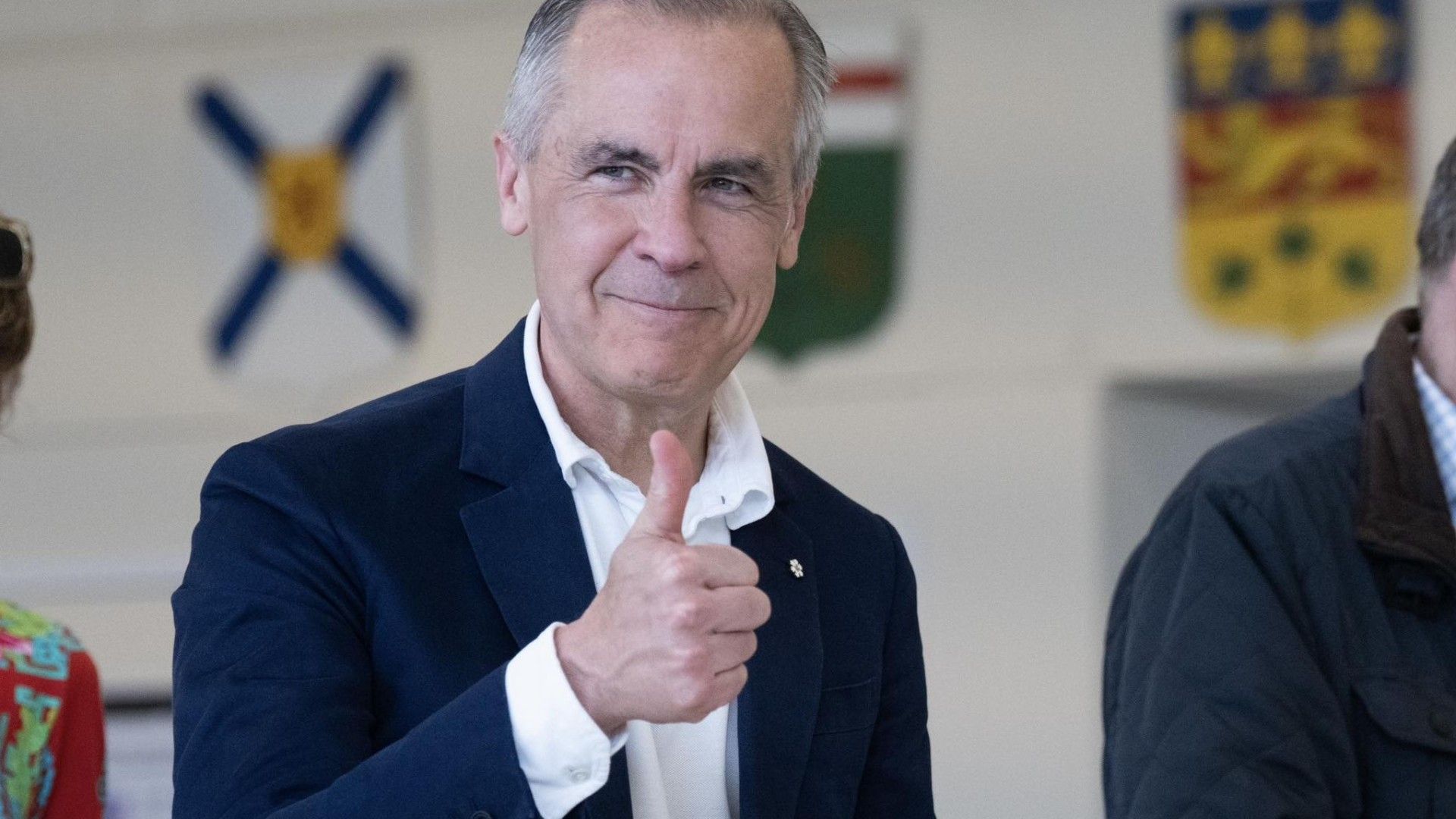
Since taking office, Prime Minister Mark Carney has travelled abroad in search of new investment and new markets for Canada. Last week, he brought billions to Toronto to discuss the country’s economic future.
The Canada Investment Summit followed the conventions of a business conference, but its intended audience was unusually exclusive. It was built for people and institutions with substantial capital to deploy. The timing was deliberate. By holding the event during the Toronto International Film Festival, Ottawa sought to take advantage of a week when the city already commanded international attention.
According to the federal government, participants came from 30 countries and represented institutions managing nearly $100 trillion in assets. Executives from the industries Ottawa wanted to promote met international financiers and Canadian investors.
The government’s ambitions extend well beyond one gathering. Its latest federal budget aims to generate more than C$1 trillion in investment over five years by drawing on public institutions, private businesses and institutional investors. Mr. Carney had already been selling Canada abroad. The summit brought that campaign home.
Behind the search for capital lies a pressing economic problem. Canada is in a trade war with the United States. Successive governments relied so heavily on the American market that other economic relationships often appeared secondary. The confrontation with President Donald Trump’s administration has exposed the limits of that dependence. Ottawa now faces mounting pressure to broaden its partnerships or leave Canada increasingly vulnerable to its neighbour.
Prime Minister Carney decided to pitch like a start-up CEO, but to an audience holding the keys to billions of dollars. The pitch rests largely on predictability. Federal officials and business leaders are presenting Canada as a stable destination for capital and as a means for investors to diversify portfolios concentrated in European, Asian and American markets. The initiative’s favourable reception encouraged provincial premiers to join the effort and use the summit to promote investment proposals from their own jurisdictions.
Organisers also provided a familiar instrument of the investment business in the form of a prospectus. Its scale made it distinctive. Across 66 pages, delegates could examine 167 potential investments, from preliminary proposals to more advanced developments. The projects were divided into eight groups covering conventional energy, clean energy, minerals and metals, marine and port infrastructure, power and utilities, digital technology, advanced manufacturing and transportation.
The distribution of those opportunities made Ottawa’s priorities plain. Energy and resource development dominated the document, which included 11 conventional energy projects, 31 clean energy projects and 63 minerals and metals projects.
Winning over investors will, however, require more than a catalogue of projects. Mr. Carney must also rebuild confidence in Canada as a place to do business after years in which federal policy often sent the opposite signal. His experience as governor of the Bank of England gives him an advantage. He knows the people he is trying to persuade, and he speaks their language.
But presenting the country primarily as an investment proposition raises difficult questions. Critics point to the possible loss of sensitive technology and the security implications of accepting capital from foreign state-controlled entities. The prospect of airport privatisation, raised by the government before the summit, introduced another set of concerns. A proposal that might strike European observers as implausible or even absurd produced a predictably hostile debate in Canada. Much of the criticism focused on passenger costs and service standards. The sovereign control of essential infrastructure received less attention. Airports ultimately disappeared from the prospectus without explanation, but the issue returned in the government statement released after the event. The Prime Minister announced that Canada would seek private investment through long-term concessions to operate the country’s four largest airports. The federal government, however, would retain ownership of the underlying land and assets while bringing in private capital.
The government’s post-summit statement framed Canada’s competitive advantages largely through comparisons with the United States. That emphasis was understandable amid the trade war with the Trump administration, although a broader presentation might have positioned Canada more clearly as a destination for investors from around the world.
The search for financing has also prompted the government to examine the value locked in its own holdings. In the spring, Ottawa proposed the Canada Strong Fund as a national sovereign wealth fund, supported by an initial federal contribution of C$25 billion over three years. The government indicated that federal assets could also help capitalise the fund, although it remains unclear how their value would be realised. A detailed explanation has yet to follow. The proposal reflects the broader pattern of Mr. Carney’s approach. He identifies available assets and considers how they might be put to work in support of further investment. Businesspeople, however, often stress behind closed doors that these grand statements lack follow-up and detailed plans.
Public reaction to these initiatives has generally been favourable. Business groups nevertheless argue that attracting capital will remain difficult unless Canada tackles the conditions that discouraged investment in the first place, particularly regulatory burdens and taxation. Others question whether Canadian companies are even prepared for greater exposure to international competition. After years of operating behind protectionist measures, some businesses could struggle with an influx of foreign investment and its requirements, or even with a closer economic association with the European Union. Advocacy groups went so far as to call the event the “Privatisation Summit,” arguing that decisions were made behind closed doors without input from trade unions or Indigenous groups.
The effort to reduce Canada’s dependence on the United States has given Mr. Carney’s government a clear focus. It is looking for new sources of capital and new economic opportunities. He has pursued that task with confidence and professionalism, drawing on his banking career and the relationships he developed along the way. His willingness to take a personal role is particularly striking. He is prepared to use methods that governments rarely employ and to attach his own credibility to the result. Whatever supporters and opponents make of Mr. Carney’s actions, his approach marks a distinctive development in international politics.