[The content of this article has been produced by our advertising partner.]
Achievements of the Hong Kong Biodiversity Strategy and Action Plan
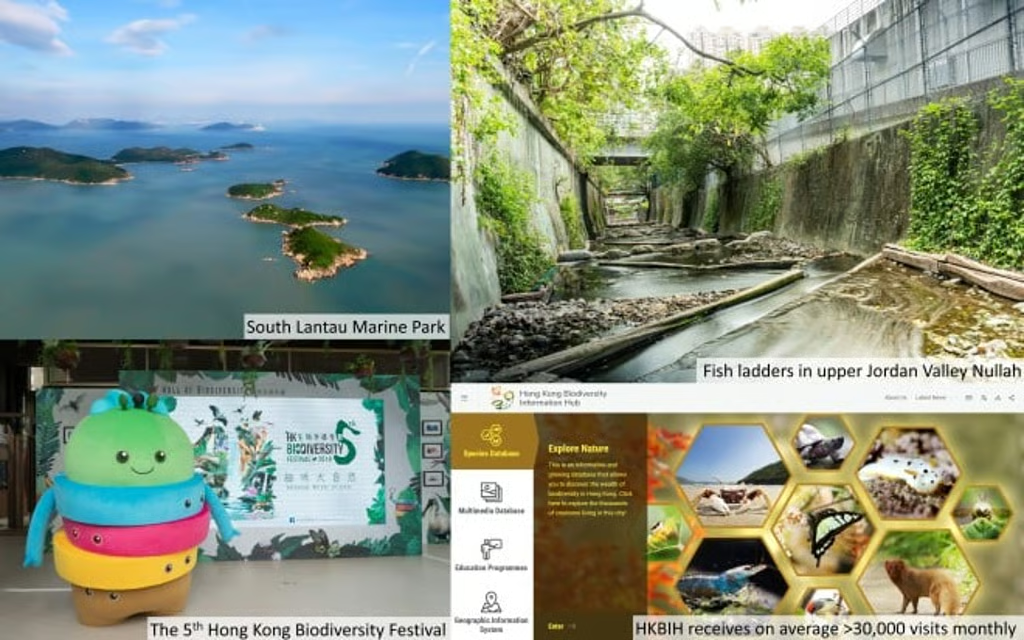
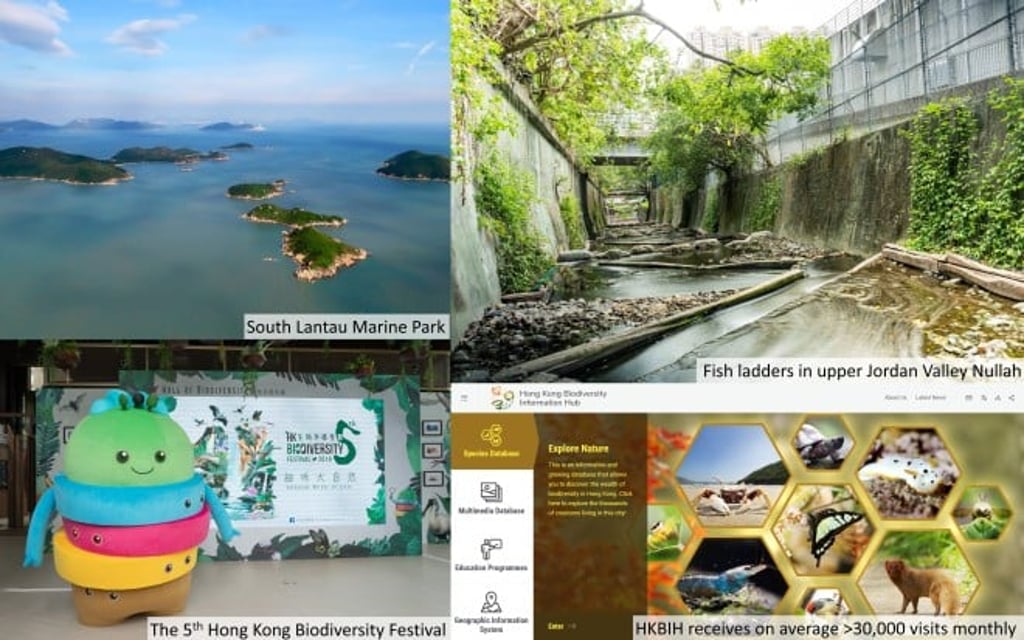
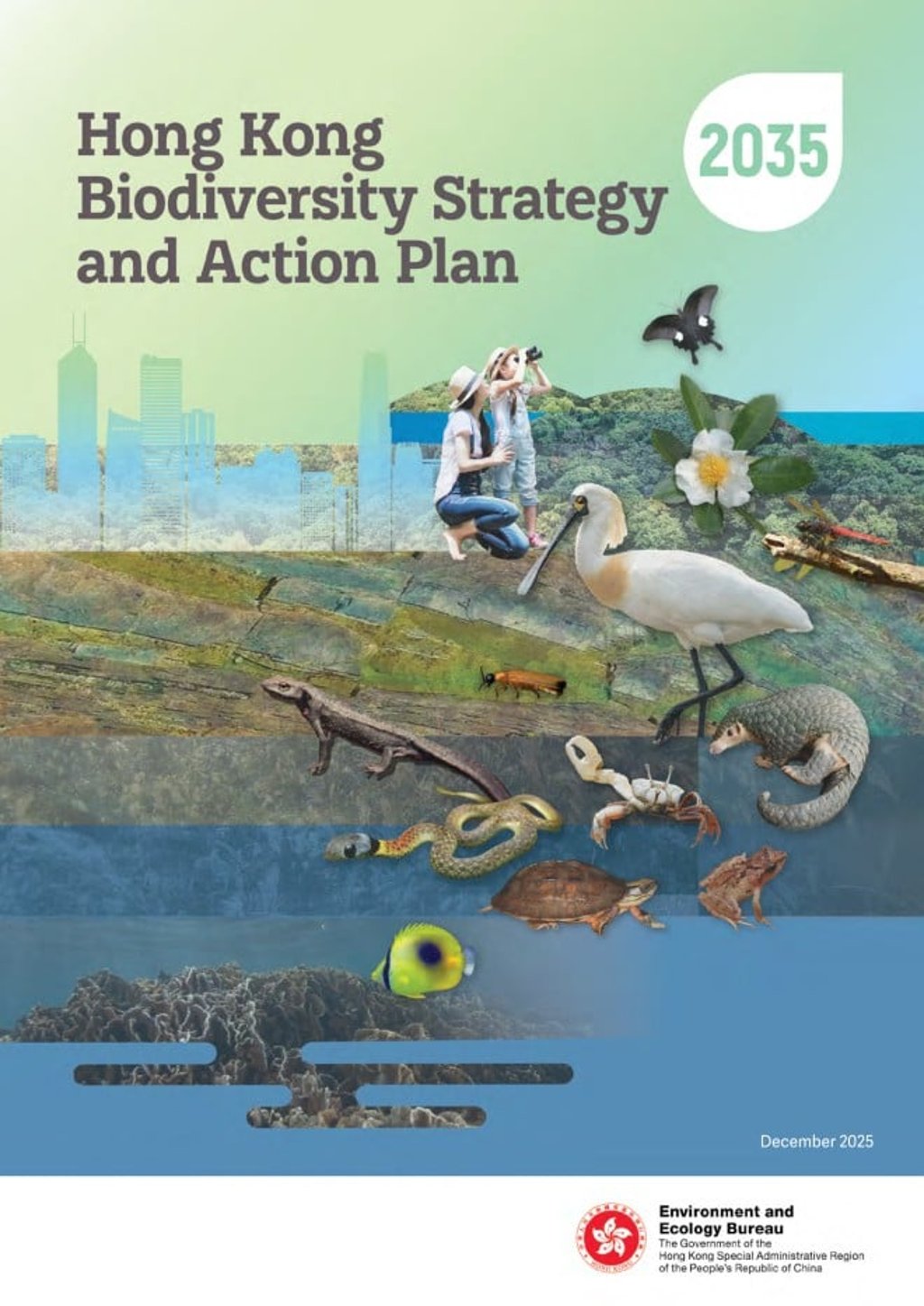
In 2016, the Government launched the Biodiversity Strategy and Action Plan (BSAP), working in concert with all sectors of the community to protect Hong Kong’s precious ecological resources and advance sustainable development.
The Next Phase of the BSAP
Building on the success of the first phase, and taking into account the latest international and national initiatives, including the Kunming-Montreal Global Biodiversity Framework and China’s updated national BSAP, as well as feedback from public consultation, and the new challenges and opportunities facing Hong Kong, the Government launched the updated BSAP on 31 December 2025.
Area 1: Nature Conservation
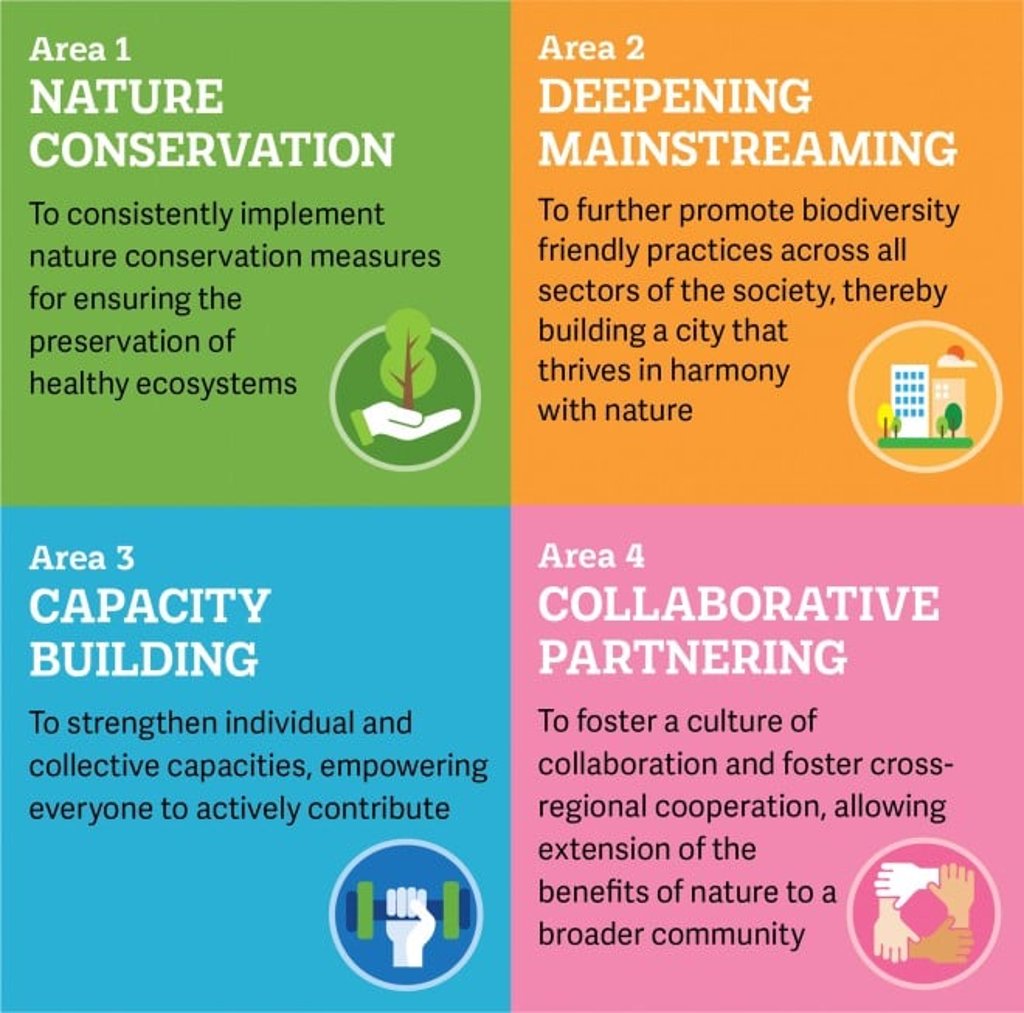
Through integrated, area-based measures, protect ecosystems and species for maintaining and restoring biodiversity
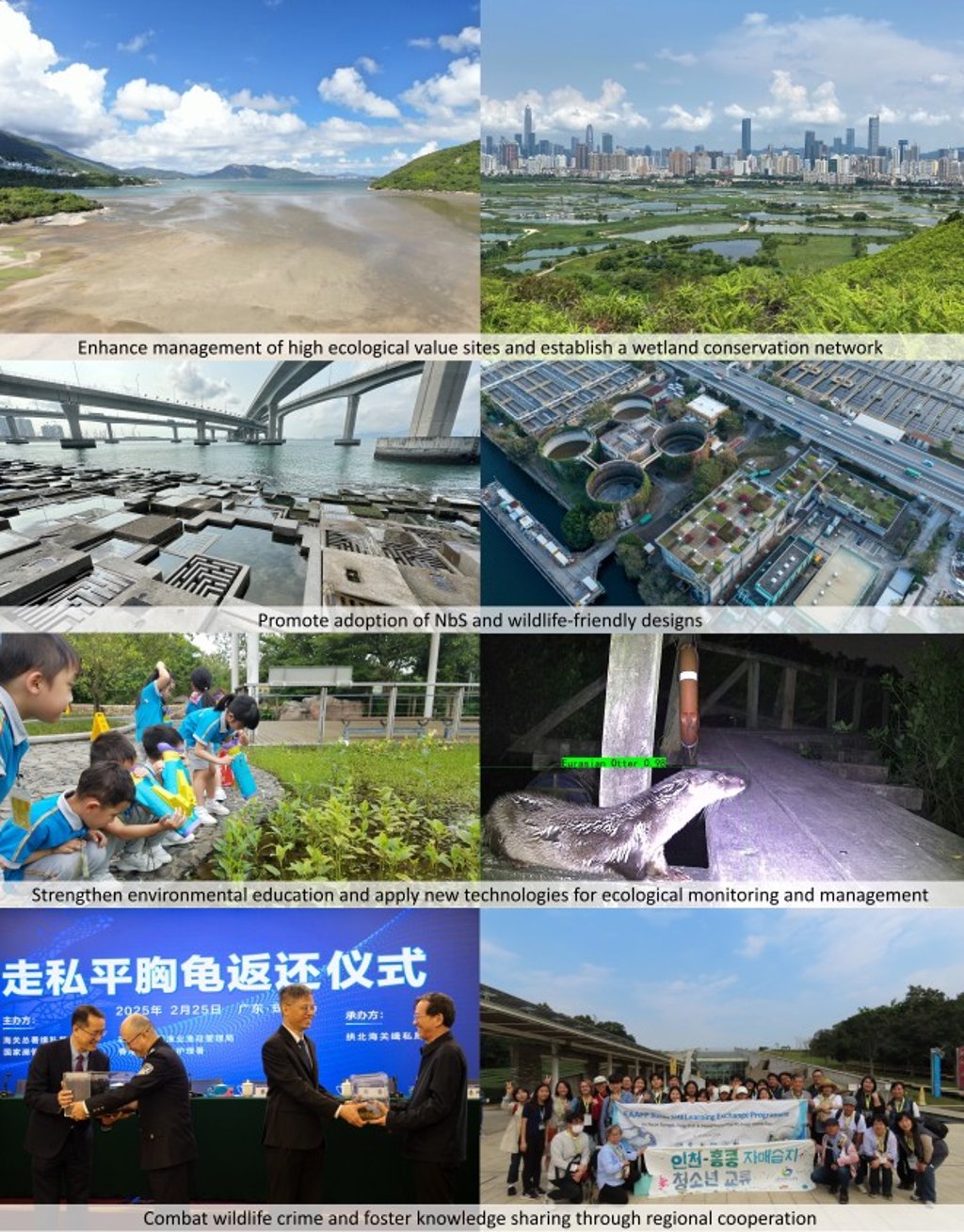
Example priority actions include strengthening management of high ecological value sites outside protected areas (e.g. Shui Hau and Sharp Island) and establishing a wetland conservation network (including the Sam Po Shue Wetland Conservation Park), to reinforce protection of critical habitats and enhance habitat connectivity.
Area 2: Deepening Mainstreaming
Promote biodiversity conservation as a shared responsibility across all sectors of society, ensuring it becomes an integral part of the economy, urban development and community practices
Various sectors of society can participate and contribute in different ways. For instance, NGOs and educational institutions can promote education and community engagement projects to deepen the public’s connection with nature. Meanwhile, stakeholders involved in urban development can adopt “Nature-based Solutions” (NbS) and wildlife-friendly designs in their projects, integrating biodiversity conservation concepts into the urban landscape.
Area 3: Capacity Building
Enhance Hong Kong’s biodiversity conservation capacity through education, professional development, and technological innovation, empowering everyone to make a tangible contribution
For examples, strengthening environmental education and ecological field learning within school curricula and STEAM programmes; applying new technologies (e.g. drones and artificial intelligence) to improve ecological monitoring capabilities; and exploring opportunities to establish commercially operated urban farms in suitable urban and new development areas.
Area 4: Collaborative Partnering
Expand and strengthen partnerships across regions, sectors and communities, implementing complementary measures to jointly safeguard our shared natural environment and resources
Everyone Can Play a Part
Safeguarding Hong Kong’s biodiversity is everyone’s responsibility. The BSAP is not merely a government document but an open invitation for all citizens to participate. Whether you are a student, an office worker, an entrepreneur or a retiree, you can do your part.
Information Source: Agriculture, Fisheries and Conservation Department
Co-organiser for Promotion: Environmental Campaign Committee
Funding for Promotion: Environment and Conservation Fund

