Congress is weighing a sweeping ban on Chinese connected vehicles, hardware, and software, and that could quietly redraw the map for U.S.-listed automakers and EV manufacturers. Policy risk is turning into policy action, which can shift pricing power and competition faster than earnings seasons do. This article walks through three stocks that are directly exposed to this news so you can decide whether they belong on your watchlist right now.
The stocks in the article below are just a starting sample, and the full screen surfaced 7 more U.S.-listed automakers and EV manufacturers with equally compelling narratives that are not covered here. Head straight into the U.S.-Listed Automakers and EV Manufacturers screener to identify, analyze, and focus on the highest conviction plays that match your own criteria.
NIO (NIO)
NIO is a Shanghai based EV manufacturer that fits squarely into this U.S. listed automakers and EV manufacturers theme. It offers premium smart SUVs and sedans alongside a dense ecosystem of charging and battery swap services across China, Europe, and other markets. With a market cap of about US$10.2b, NIO is a large player in the global EV competitive set rather than a niche bet.
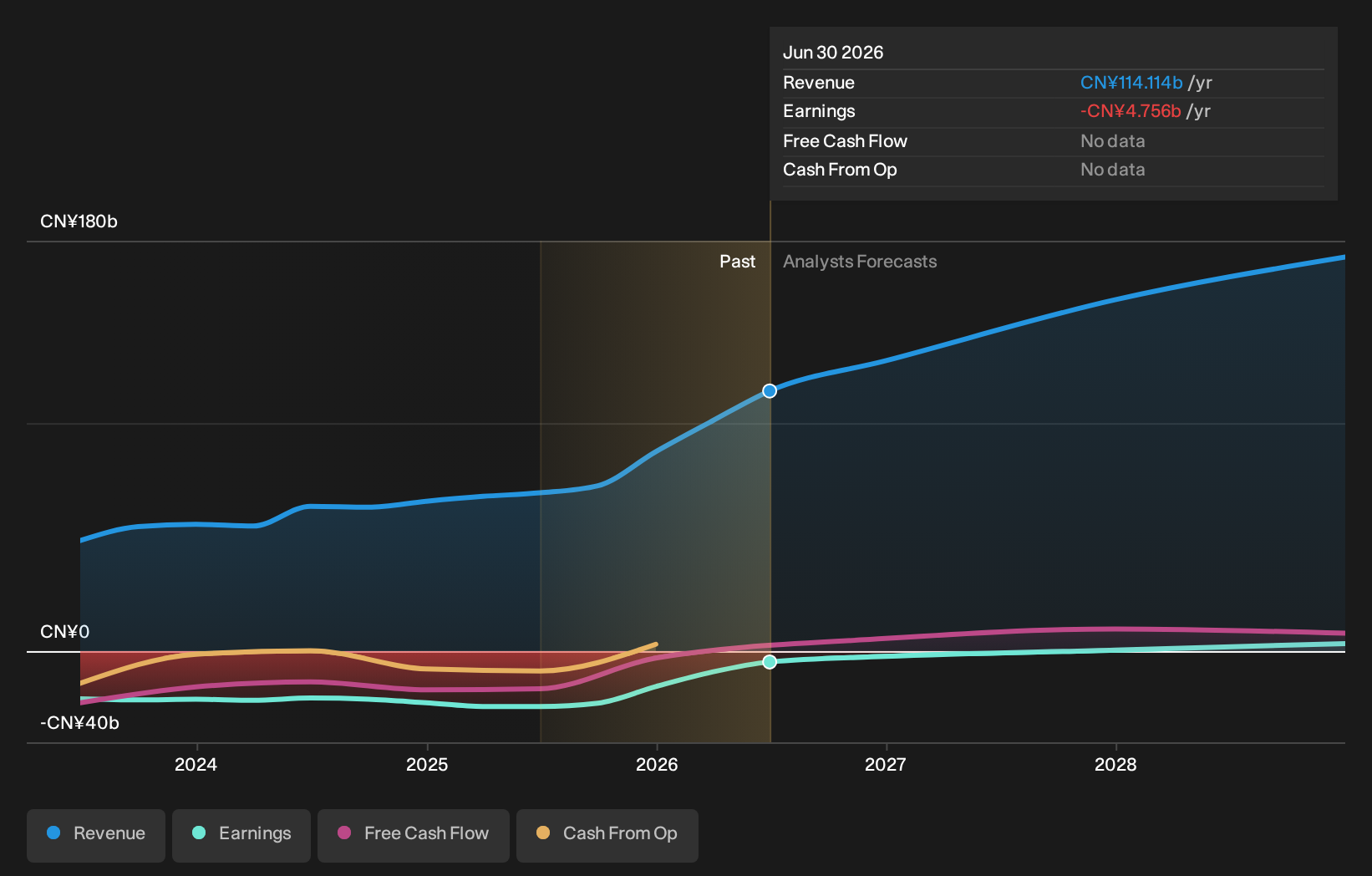
NIO gives you exposure to the premium end of China’s EV market plus a full energy and services stack, from battery swapping to financing, at a time when U.S. policy debate is increasingly focused on Chinese connected vehicles. The company is still loss making and heavily reliant on external funding, and analysts have trimmed price targets in 2026 as margin pressure and fierce competition remain front of mind. Forecasts point to a path toward profitability and better returns if cost controls, higher value software and services, and growing vehicle volumes come through. For investors willing to accept policy and execution risk, NIO is a high beta way to play the global EV theme, with more to unpack in the details that follow.
NIO’s high beta story can look like pure policy noise, yet the real hinge is how its premium volumes and services stack line up against expectations. Step into the analyst forecasts for NIO to see what the forecasts might be missing next.

General Motors (GM)
General Motors is a large U.S.-listed automaker that anchors this passenger vehicle and light truck screener, with a long history in internal combustion models and a growing EV lineup under brands like Chevrolet, GMC, Buick, and Cadillac. Most of its revenue still comes from traditional automotive operations, with GM North America at about US$153.8b and GM International at roughly US$14.2b, while GM Financial adds about US$17.2b from financing and related services. The company has a market cap near US$75.1b, which reflects its scale and the importance of its role in both U.S. and global auto markets.
Investors watching the push to restrict low cost Chinese automakers from the U.S. market may see General Motors as one of the clearest potential beneficiaries, given its size, deep U.S. manufacturing base, and focus on higher value pickups, SUVs, and EVs. The story is not just about policy support, though. GM is also leaning into software, subscriptions, and AI enabled services, while returning capital through dividends and buybacks. This is all occurring against a backdrop of thin 1% margins, high external funding reliance, and quality issues that regulators continue to scrutinize. The key issue is how this mix of policy tailwinds, new revenue streams, and balance sheet risk develops from here.
General Motors’ thin 1% margins and big capital returns raise a clear question: Is the market underestimating how this mix of policy support, software ambitions, and balance sheet risk fits together in the analysis report for General Motors

Rivian Automotive (RIVN)
Rivian Automotive is a U.S.-listed pure-play EV manufacturer focused on electric pickup trucks and SUVs, which fits neatly into this screen of passenger vehicle and light truck stocks tied to the EV shift. The company generates most of its revenue from Automotive at about US$4.0b, with a further US$1.9b from Software and Services such as subscriptions, fleet management, charging, financing, and insurance. With a market cap of roughly US$22.5b, Rivian is a sizeable EV player for investors comparing it with both legacy automakers and newer EV specialists.
Rivian gives you direct exposure to the U.S. EV story through its R1 trucks and SUVs plus a growing software and services stack that includes the Rivian Adventure Network, FleetOS and commercial vans. The policy push to curb low cost Chinese EVs and connected tech could help protect pricing in Rivian’s home market. The R2 platform and software partnerships are intended to pull unit costs down and push higher margin services up over time. The flip side is clear. Rivian is still loss making, carries heavy funding and dilution risk, and depends on smooth execution of its product roadmap and plant build outs in a crowded EV field. If you want a focused EV stock with real scale but plenty of moving parts still in play, Rivian is a company worth keeping on the radar as the rest of this analysis sets out in more detail.
Rivian’s push into software, services and the R2 platform could be masking a very different long term earnings profile than many investors assume. Get the full picture inside the analyst forecasts for Rivian Automotive

Seeking Alternatives Before The Crowd
Fresh ideas move first. Once momentum hits, the best setups can be flying or already caught by faster money. Scan these under the radar lists while it matters and get in early.
This article by Simply Wall St is general in nature. We provide commentary based on historical data
and analyst forecasts only using an unbiased methodology and our articles are not intended to be financial advice. It does not constitute a recommendation to buy or sell any stock, and does not take account of your objectives, or your
financial situation. We aim to bring you long-term focused analysis driven by fundamental data.
Note that our analysis may not factor in the latest price-sensitive company announcements or qualitative material.
Simply Wall St has no position in any stocks mentioned.
New: Manage All Your Stock Portfolios in One Place
We’ve created the ultimate portfolio companion for stock investors, and it’s free.
• Connect an unlimited number of Portfolios and see your total in one currency
• Be alerted to new Warning Signs or Risks via email or mobile
• Track the Fair Value of your stocks
Try a Demo Portfolio for Free
Have feedback on this article? Concerned about the content? Get in touch with us directly. Alternatively, email editorial-team@simplywallst.com