It’s been a history-filled year for Wall Street. We’ve watched the Dow Jones Industrial Average (^DJI 0.34%), S&P 500 (^GSPC 0.67%), and Nasdaq Composite (^IXIC 1.05%) rocket to record highs, and just witnessed an ultra-rare shift at America’s foremost financial institution, the Federal Reserve.
Friday, May 15, marked the final day of Jerome Powell’s tenure as Fed chair, paving the way for Kevin Warsh to take his position as the 17th head of the central bank. While Wall Street uncertainty is fairly common when a new Fed chair takes their post, the chips appear to be stacked against Warsh in the early going — and it threatens to sink the stock market.
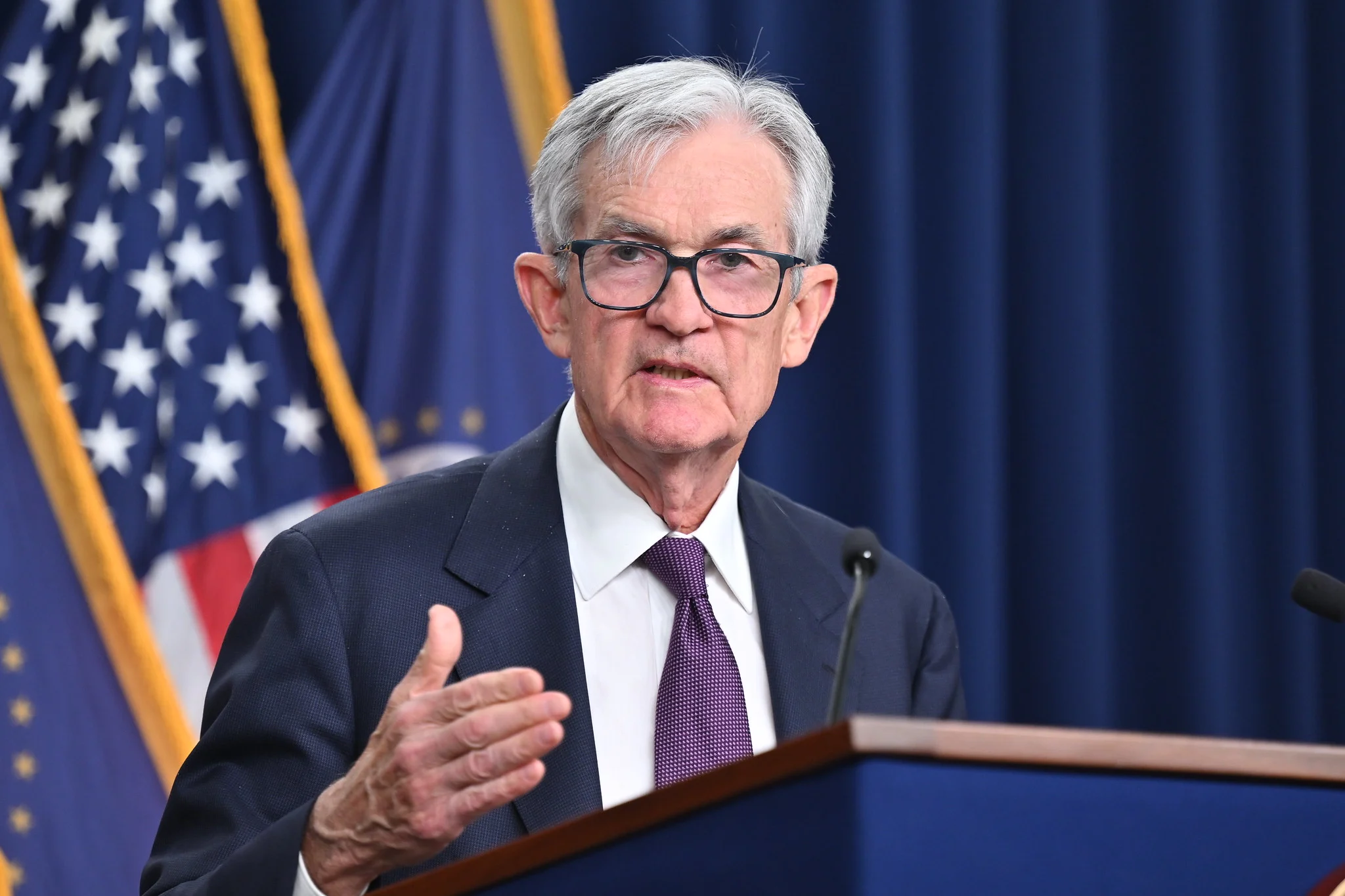
Jerome Powell’s final day as Fed chair was May 15. Official Federal Reserve Photo.
Kevin Warsh’s monetary policy ideology may conflict with stocks (and President Trump)
Arguably, the top concern for investors is how Warsh’s strong monetary policy opinions will translate within the Federal Open Market Committee (FOMC) and with the stock market. The FOMC is the 12-person body responsible for setting the nation’s monetary policy.
For instance, the new Fed chair has been openly critical of the central bank’s bloated balance sheet. Between August 2008 and March 2022, the Fed’s balance sheet (composed primarily of long-term U.S. Treasury bonds and mortgage-backed securities) grew from less than $900 billion to nearly $9 trillion. Today, it sits at approximately $6.7 trillion, and Warsh would like to see it meaningfully reduced.
Kevin Warsh Nomination: one reason why market players are interpreting it as a hawkish pick- I agree-is because of his views on the need for a radical balance sheet reduction.
The $31 trillion-dollar American economy demands liquidity & financing needs that are larger than what… pic.twitter.com/zYunGAItV8
— Joseph Brusuelas (@joebrusuelas) January 30, 2026
The problem? Bond prices and yields are inversely related. Selling trillions of dollars of U.S. Treasury bonds would (likely) depress bond prices, raise yields, and make borrowing costlier.
Warsh’s FOMC voting record (he was a member of the FOMC from Feb. 24, 2006, to March 31, 2011) also signals potential trouble. Throughout the financial crisis, he favored higher interest rates to suppress inflation, even as the unemployment rate soared.
Historical precedent suggests the new Fed chair is hawkish and will favor higher interest rates, which is terrible news for an expensive stock market and could put Warsh on a collision course with President Trump, who’s been lobbying former Fed Chair Powell the FOMC to slash interest rates for over a year.

Image source: Getty Images.
A potential crisis of confidence might be more problematic
But a strong argument can be made that a historic level of dissent within the FOMC is even more worrisome for Wall Street. Although Powell had the lowest dissent rate of any Fed chair since 1978, his final FOMC meeting in late April was marked by four dissents — the highest number since 1992.
The stock market has demonstrated a willingness to look beyond tardy or incorrect moves by the FOMC so long as all of its members are on the same page. With Stephen Miran continuing to push for rate cuts and three members now opposed to an easing bias in the FOMC’s April statement, it’s clear that Warsh has quite a gap in ideology to bridge.
If the new Fed chair fails to unify policymakers, the central bank risks losing credibility in the eyes of investors. A loss of credibility can be far more damaging than the prospect of higher interest rates for Wall Street.
While nothing definitively suggests that a Kevin Warsh-led Fed will sink the stock market, the puzzle pieces are certainly in place for that to happen.