
Cell phone and mobile internet services were widely disrupted in parts of Colombia after a magnitude 7.4 earthquake struck the country’s western region on Monday, August 10. Users reported difficulties making calls, sending messages, and accessing mobile data shortly after the earthquake, which struck at 7:34 a.m. local time near San Jose del Palmar, Choco.
The disruption did not necessarily mean that telecommunications networks had suffered widespread physical destruction. Post-earthquake connectivity issues typically stem from two main causes: physical or electrical damage to cellular infrastructure, and network congestion caused by a sudden spike in emergency and personal calls.
Claro, one of Colombia’s largest telecommunications operators, confirmed that Monday’s earthquake caused significant disruptions across its network. Tigo Colombia, another major telecommunications company that provides mobile and internet services, also confirmed service interruptions in different parts of the country.
Why mobile networks become overloaded after an earthquake
A major earthquake can change how people use their phones within seconds. Thousands of people who normally make calls or use data at different times may suddenly try to communicate simultaneously.
Voice calls can place particular pressure on mobile networks during an emergency because many users attempt to establish connections at once. Mobile data traffic can also increase as people send photographs, use messaging applications, follow news coverage or repeatedly check social media.
The Federal Emergency Management Agency and the Federal Communications Commission have documented this pattern during previous disasters. After the 2011 earthquake on the U.S. East Coast, the agencies reported significant network congestion that temporarily made it harder for people to contact relatives and emergency services.
The effect can extend well beyond the area closest to the epicenter. People who feel an earthquake in Bogota, Cali, Pereira, or another city may immediately contact family members elsewhere, increasing traffic across multiple parts of the network.
Unlike voice calls, text and data-based messages can queue for delivery, making them far more reliable during severe network congestion. FCC data shows that SMS and email routinely remain functional during disasters even when voice lines collapse.
Physical damage and power failures can cause longer outages
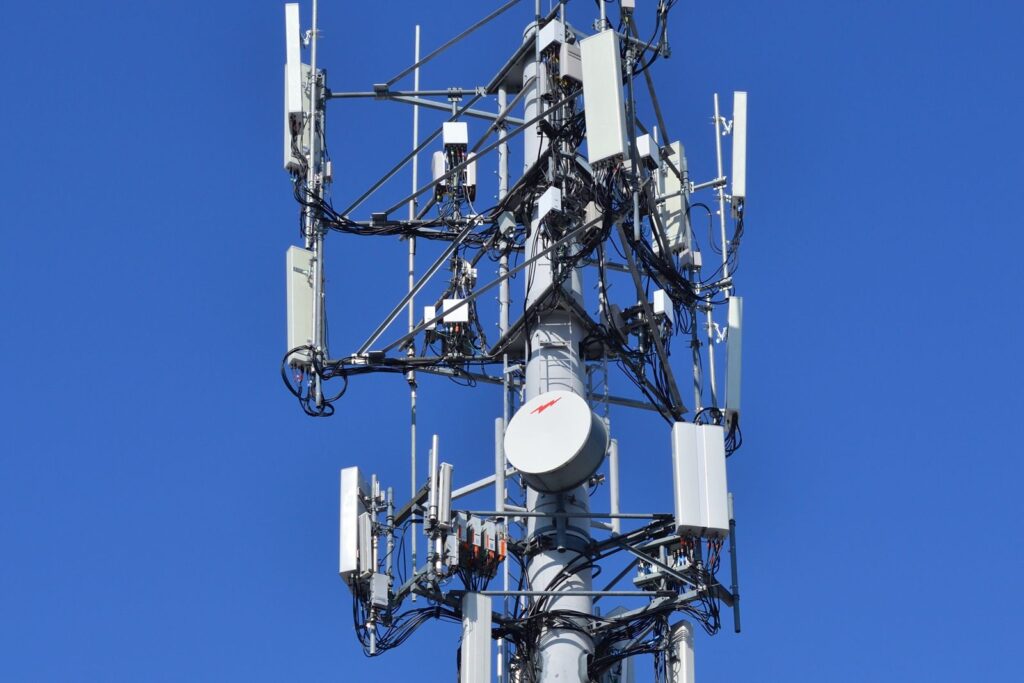
Earthquakes can directly damage physical infrastructure, taking down cell towers, antennas, power supplies, transmission links, and fiber-optic cables. A tower can also stop operating if it loses commercial electricity and exhausts its backup batteries or generators.
Tigo confirmed that the August 10 earthquake caused intermittent service in different parts of Colombia. The company said the problems resulted mainly from power interruptions in some locations and damage to part of its infrastructure. Its technical teams were monitoring the network and working to stabilize services.
Tigo’s explanation provides a concrete example of how an earthquake can disrupt communications without affecting every user or location in the same way. The company was also conducting preventive inspections of its equipment and networks to determine the conditions required for safe and continuous operations.
Mobile networks depend on connections between individual cell sites and the wider telecommunications system. Providers use fiber-optic, microwave, and other links to carry traffic from cell sites into the core network. Damage to one of these connections can isolate a site or reduce its capacity.
The U.S. Congressional Research Service documented similar problems after Hurricane Helene in 2024. Wireless operators reported outages linked to damaged cell sites, power failures and damaged fiber. Providers used generators, batteries, temporary cell sites, microwave links and satellite connections during restoration efforts.
Colombia’s earthquake caused physical damage in western cities, including Quibdo, Cali, Pereira and Manizales. Telecommunications infrastructure therefore formed part of the wider assessment alongside buildings, roads, electricity systems and other critical services.
How to communicate when networks are congested
During a major emergency, people can reduce pressure on telecommunications networks by avoiding unnecessary calls and keeping essential conversations brief. Text messages and messaging apps offer a reliable fallback when voice networks are congested.
Wi-Fi provides a useful alternative when fixed broadband remains online. Conversely, if local broadband infrastructure is damaged, mobile networks may still function even when Wi-Fi goes down.
Emergency authorities and telecommunications providers can deploy temporary equipment when damaged infrastructure affects connectivity. Previous disaster responses have used portable cell sites, backup power, satellite links, and microwave connections while crews repaired damaged networks.
At this moment for Colombia, the key distinction is between temporary congestion and infrastructure failures. Congestion can ease as the initial surge in communication declines. Damage to towers, power systems, fiber, or other network components requires physical inspections and repairs before affected services can return to normal.