What is lifestyle medicine?
Lifestyle medicine is a coordinated, team-based approach to healthcare that uses six pillars of health to treat, reverse, and prevent chronic lifestyle-related disease. Doctors, dietitians, physical therapists, mental health professionals, health coaches and other providers partner with motivated patients to make meaningful, lasting changes that benefit every aspect of their health for years to come.
Is lifestyle medicine new?
No. According to the American College of Lifestyle Medicine (ACLM), it’s actually the foundation of conventional medicine. Guidelines for treating the most common lifestyle-related chronic conditions like diabetes, obesity, high blood pressure, and heart disease typically call for lifestyle changes like weight loss, a healthier diet, and more exercise as the first line of treatment, before medication.
What is new is lifestyle medicine’s recognition as a well-defined specialty within today’s healthcare system. The ACLM began board-certifying physicians in the field in 2017, and the need has only grown more urgent since. More than 40 million Americans, about 1 in 8, now have diabetes, and roughly 1 in 4 of them don’t know it. Over 4 in 10 U.S. adults have obesity, including nearly 1 in 10 with severe obesity.
What are examples of lifestyle-related diseases?
Lifestyle-related diseases are extremely serious. During the COVID-19 pandemic, conditions like diabetes and obesity were identified as major risk factors for hospitalization and death from the infection. Obesity alone raises the risk of musculoskeletal conditions, heart disease, stroke, and certain cancers.
New York City has made lifestyle medicine a public health priority. Since piloting the approach at Bellevue Hospital in 2019, NYC Health + Hospitals has expanded lifestyle medicine services citywide, now offering the program at seven sites across all five boroughs and serving thousands of patients each year. HSS has followed this growth closely and shares the city’s commitment to using lifestyle medicine to improve patients’ health.
Is there a link between lifestyle-related disease and musculoskeletal conditions?
People with musculoskeletal conditions such as arthritis commonly report knee, hip, and back pain. But many also have coexisting lifestyle-related diseases that make their poor health worse.
These lifestyle-related diseases and musculoskeletal conditions share a common root: inflammation. We’re not just talking about swelling in an arthritic joint. This is inflammation throughout the body, which is a hallmark of diabetes, heart disease, and cancer. Lifestyle medicine can help treat all these conditions by targeting that shared inflammatory driver.
What are the six pillars of lifestyle medicine?
Lifestyle medicine focuses on replacing unhealthy behaviors with positive ones. Each pillar is grounded in medical evidence. The six pillars are:
- Nutrition: A diet rich in whole, mostly plant-based foods such as vegetables, fruits, beans, nuts, and seeds.
- Physical activity: Regular exercise you enjoy, can do daily, and can sustain for life.
- Stress management: Learning coping mechanisms and stress-reduction strategies to improve well-being.
- Avoidance of risky substances such as tobacco and addictive drugs and limiting others like alcohol.
- Restorative sleep for immune health and beyond. What matters isn’t just hours in bed, but sleep quality.
- Social connectedness for emotional health. People with strong social support have a better chance of making and sustaining healthy changes.
All six pillars are equally important and work together. No single pillar does the job alone.
What are the benefits of lifestyle medicine for people with musculoskeletal conditions?
An integrated lifestyle medicine approach can relieve arthritis symptoms while also improving overall health, including lowering dependence on diabetes medications, decreasing blood pressure, and reducing cancer risk. If you haven’t made much progress managing a musculoskeletal condition, it may be because underlying lifestyle-related chronic diseases also need attention.
If you’ve been experiencing muscle, bone, or joint pain and are ready to make healthy changes, a visit with a lifestyle medicine provider may be exactly what you need. That nagging pain can become the catalyst for a new, more comfortable, healthier life.
What can I expect from a lifestyle medicine consultation at HSS?
A consultation starts with a comprehensive evaluation by a lifestyle medicine provider, including:
- A conversation about your pain and other symptoms
- An extensive health screening for possible medical issues
- Discussion of your personal goals
- An assessment of your support network
- Measurements such as blood pressure, body mass index, and neck and waist circumference
- Laboratory tests, such as blood and urine analysis
- Questionnaires that gauge how engaged you are in your care, and how confident you feel about making a lifestyle change
What happens after a consultation?
Depending on your evaluation results and your goals, you choose your lifestyle medicine provider team, which could include:
- A dietitian, to discuss your eating habits and build a dietary pattern tailored to improving your health and how you feel.
- A physical therapist, to provide a therapeutic exercise program to address your musculoskeletal conditions.
- An exercise physiologist, to assess your fitness and design an exercise plan suited to your needs and preferences.
- A health coach, to help you set goals, identify stressors, and build habits and relationships that support your health.
- A mental health counselor, to provide support and devise tactics to improve your mental health.
- Group and shared medical appointments, to connect you with helpful information and other people working on similar lifestyle changes.
Your care team meets regularly to discuss your progress and adherence and to ensure you receive consistent guidance. The pain that first brought you in may become a useful signal like flaring with certain foods, easing as you follow your team’s recommendations.
Lifestyle medicine doesn’t just try to make a symptom feel better. The goal is to help you get better.
How do I get started?
If you’re thinking about making a change, lifestyle medicine may be for you. HSS Lifestyle Medicine services are available in person and via telehealth. Call 212-224-7998 or visit our Lifestyle Medicine page to learn more.
Published
8/12/2026
About the Expert

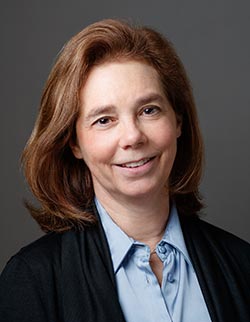
Heidi Prather, DO, is an Attending Physiatrist at HSS and leads the HSS Lifestyle Medicine Program. She is also Professor of Physical Medicine and Rehabilitation at Weill Cornell Medicine and a Diplomate of the American Board of Lifestyle Medicine.