If you’ve spent any time scrolling through fitness-focused accounts on social media recently, you’ll probably have seen people aiming for two nutrition targets: 100g of protein and 30g of fibre a day.
Why? Well, prioritising both protein and fibre throughout the day can help make meals more satisfying, support muscle health and promote a healthy gut.
One recipe creator who regularly shares high-protein, high-fibre meal ideas is Rosa – who posts nourishing recipes and meal prep ideas under @nourishwithrosa – to her 272k followers. So, if you’re not sure what 100g of protein and 30g of fibre actually looks like, she’s got plenty of inspiration.
How much protein do we actually need? While 100g protein may sound like a lot, many experts believe active adults can benefit from consuming more than the UK minimum recommendation. Current UK guidelines advise 0.75g of protein per kilogram of body weight daily (which works out at around 45g for a 60kg woman). However, many nutrition and sports performance experts recommend closer to 1-1.2g per kilogram of bodyweight to support muscle maintenance, recovery and overall health, particularly for those who exercise regularly.
How much fibre should I be eating? Fibre is just as important. Fibre supports digestion, feeds good gut bacteria and can help keep you feeling fuller for longer. UK guidelines recommend adults consume 30g of fibre a day, yet most of us fall short of that target. Eating a variety of fibre-rich foods, including fruit, vegetables, whole grains, beans and pulses, can help support both gut and long-term health.
Here’s exactly what a day of eating that delivers 100g of protein and 30g of fibre looks like.
How to reach 100g protein + 30g fibre
Breakfast: maximise protein early

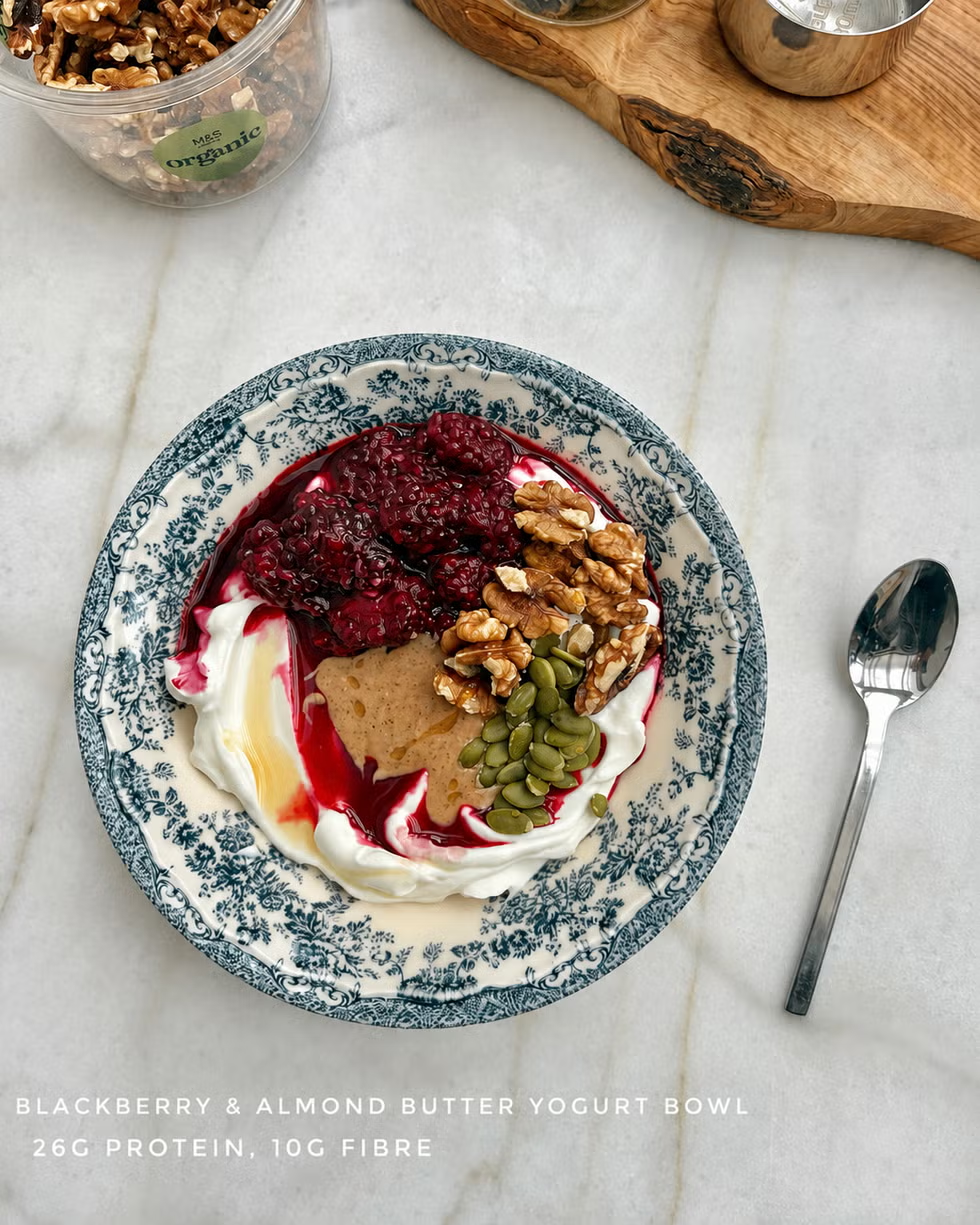
Rosa makes a blackberry and almond butter yogurt bowl with thick Greek yogurt, blackberries, walnuts and pumpkin seeds. The combination delivers 26g of protein and 10g of fibre, thanks to the high-protein yogurt base and a fibre-rich topping of berries, nuts and seeds.
Lunch: pack in protein and fibre

Designed with office lunches in mind, this Mediterranean-inspired bowl combines protein-rich beef meatballs and a Greek yogurt-based tzatziki with a fibre-packed salad of chickpeas, cucumber, olives and herbs, providing 33g of protein and 8g of fibre.
Snack: top up your fibre intake

Rosa’s cinnamon date chia pudding is an easy make-ahead snack. The 13g of protein mainly comes from the 100g of Greek yogurt, with the milk, chia and flax adding a little extra. The 5g of fibre comes from the chia seeds, flaxseeds and the Medjool date.
Dinner: finish strong with lean protein

For this spiced chicken and turmeric rice bowl, the bulk of the 41g protein comes from a generous serving of chicken breast, while turmeric rice, cucumber and pickled onions add flavour and contribute to the bowl’s 5g fibre content.
Daily totals
Protein
- Blackberry & almond butter yogurt bowl = 26g
- Meatballs, herby salad & tzatziki = 33g
- Cinnamon date chia pudding = 13g
- Spiced turmeric rice & chicken bowl = 41g
Total = 113g protein
Fibre
- Blackberry & almond butter yogurt bowl = 10g
- Meatballs, herby salad & tzatziki = 8g
- Cinnamon date chia pudding = 5g
- Spiced turmeric rice & chicken bowl = 5g
Total = 28g fibre
The bottom line
Across the day, Rosa’s meals provide 113g of protein and 28g of fibre – showing that hitting both nutrition targets (or getting close to!) is achievable when you prioritise protein and fibre at every meal.