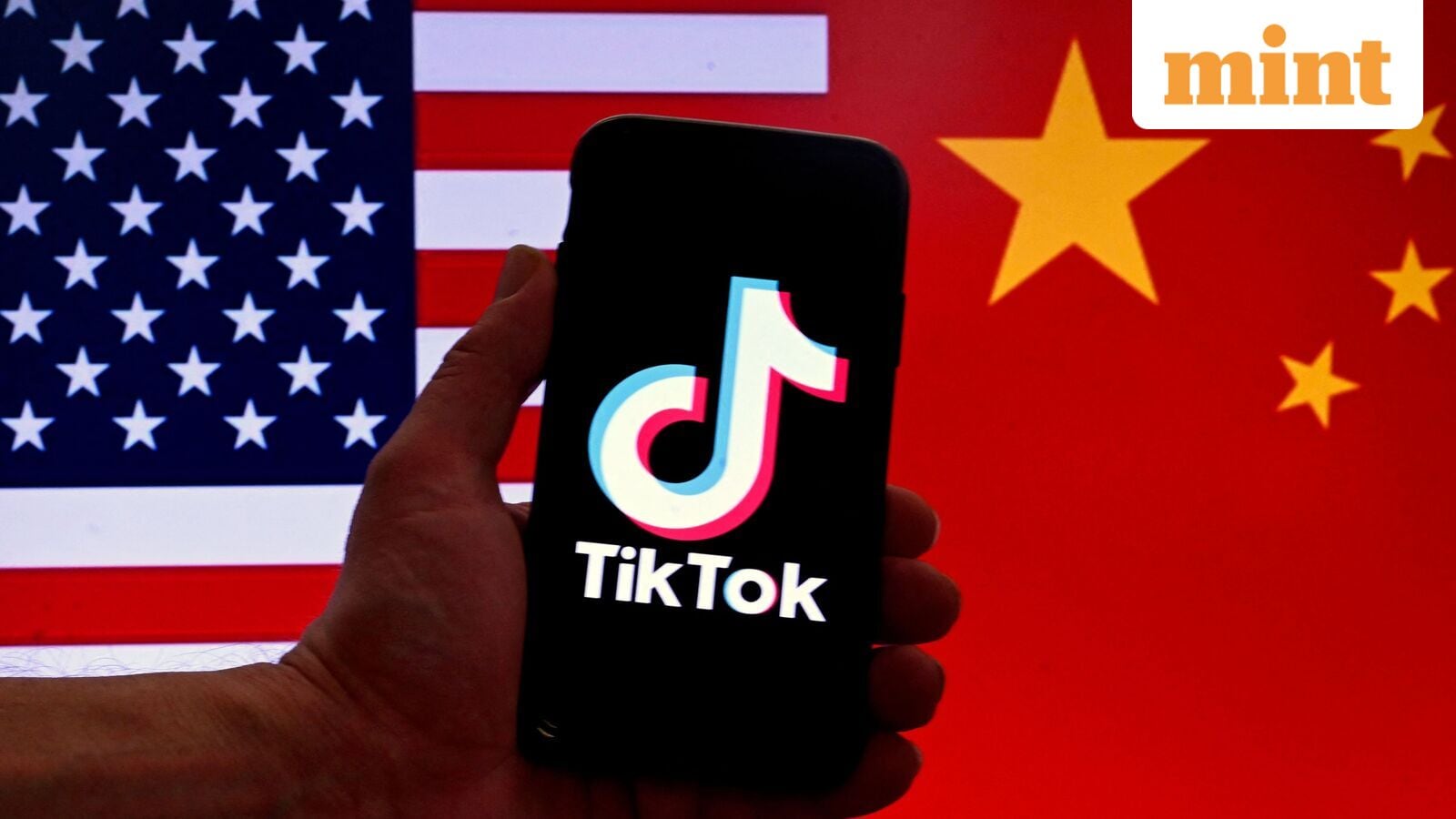
A framework agreement to which will allow the ByteDance-owned TikTok app to continue functioning in the United States was announced on September 16, but many questions remain about the details.
When US and Chinese officials announced the deal after trade talks in Madrid, they said that China has agreed to transfer ownership of the video sharing platform to a US company, but did not share specifics, Reuters reported.
Here’s a look at some of the pressing questions that have risen amid this process.
What happens to TIkTok in the US?
Since US President Donald Trump announced extension to the TikTok ban (there have three consecutive extensions since January 2025), to allow negotiations, Chinese authorities have consistently resisted handing over the asset to a US company. The algorithm derived app is widely seen as ByteDance’s most value asset and growth driver globally, as per the report.
It added that China updated its export control rules to include technologies such as recommendation algorithms in 2020, when Donald Trump first suggested TikTok be sold to a US company. What this rule does it make it necessary for ByteDance to seek Chinese government approval before any transfer is realised.
What about the US government? Is Congress approval needed?
Yes. In the US too, the final agreement would require the Congress (majority held by the Republicans), to give its stamp of approval. The House had in 2024 passed a law that requires ByteDance to divest if TikTok is to continue in the US. The decision was made over fears that the Chinese government could access US user data, spy on citizens or generate influence through the app.
However there is debate if Donald Trump’s extensions of deadline in the matter are beyond his authority and should have also passed through the House first. Notably, US Attorney General Pam Bondi in February sent letters to Apple, Google and other companies confirming that the Justice Department would not hold them in violation for allowing TikTok access on their devices and platforms while negotiations are ongoing.
Speaking to Reuters, a congressional aide said that lawmakers plan to scrutinise the latest deal when it is made public to see if it complies with the law.
Will they, won’t they? China ownership of TikTok under scanner
Responding to questions over whether ByteDance will relinquish full control of TikTok US as part of the deal, Donald Trump told reporters at a White House press conference that the matter is not yet confirmed.
“We haven’t decided that, but it looks to me and I’m speaking to President Xi on Friday for confirmation,” he said.
Senate Intelligence Committee chair Tom Cotton in April said American investors who wanted to buy TikTok must cut all ties with China.
ByteDance’s current shareholders include American firms Susquehanna International Group, General Atlantic and KKR.
If the US Congress rejects the latest agreement, Donald Trump may not have other moves have limited recourse. In January, the Supreme Court unanimously ruled the law, passed by an overwhelming bipartisan majority in Congress last year and signed by former Democratic President Joe Biden, did not violate the U.S. Constitution’s First Amendment protection against government abridgment of free speech.
Who will own TikTok US?
Officials expect the final deal to be very similar to what was anticipated under the previous deal outlined in April, which would spin off TikTok’s operations into a new US-based firm, majority-owned and operated by local investors. This stalled after China indicated it would withhold its approval following Donald Trump’s announcements of steep tariffs on Chinese goods. The precise structure of the new expected ownership remains unclear.
(With inputs from Reuters)
