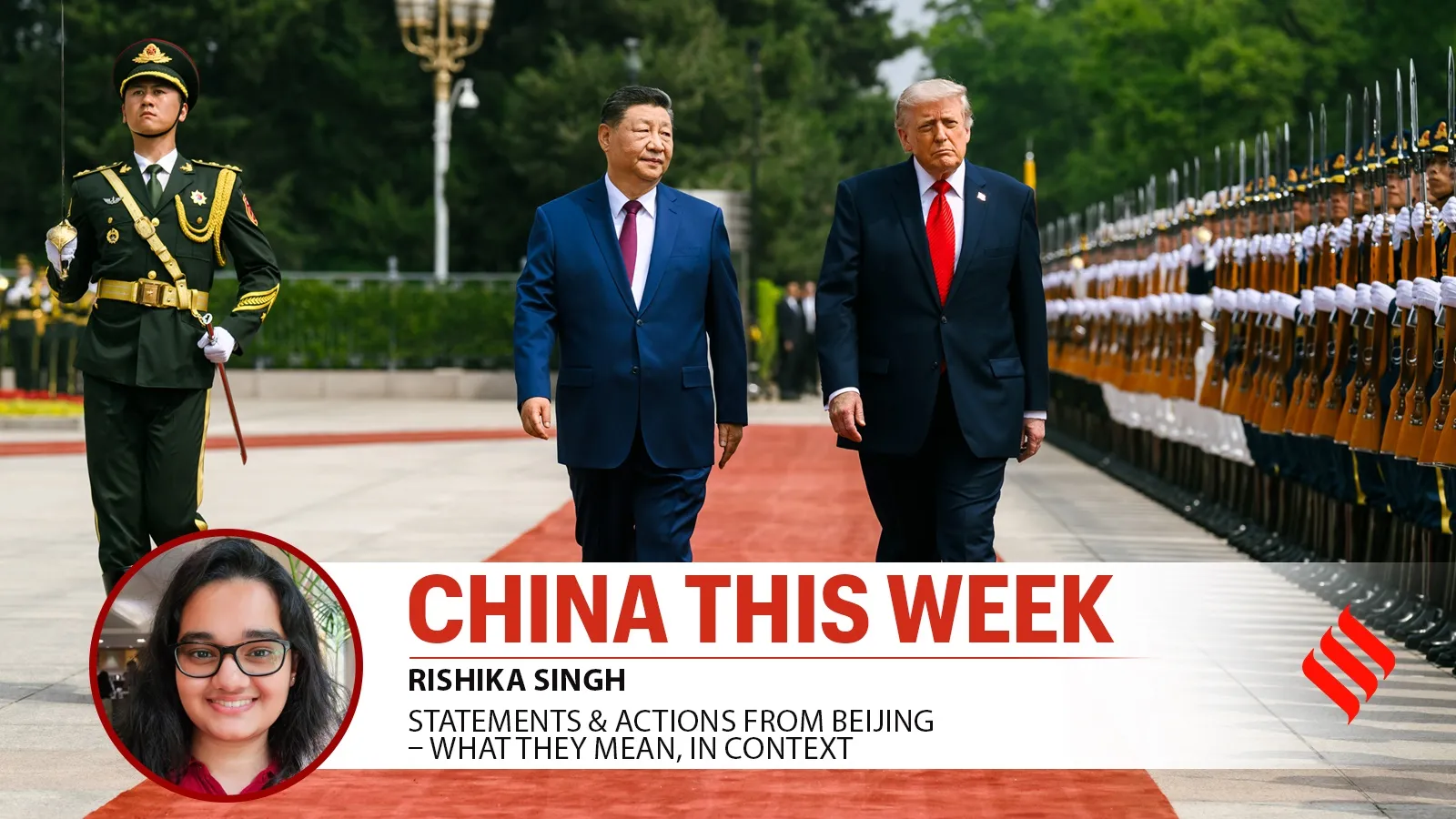
Major automakers, suppliers and dealers have urged President Donald Trump to prevent Chinese carmakers from entering the US market ahead of his meeting with Chinese President Xi Jinping next week
Major US carmakers, suppliers and dealers are pressing President Donald Trump to keep Chinese automakers out of the American market, just days before his planned meeting with Chinese President Xi Jinping. Their demand follows Trump’s recent comments to Fox News that he would consider allowing Chinese companies to build vehicles in the United States.
In a letter sent to Trump on Friday, six industry groups called for existing restrictions to remain in place. They warned against permitting Chinese automakers to sell vehicles, import them or establish manufacturing operations in the US.
“We urge your administration to maintain policies that keep the door firmly shut to Chinese automakers seeking to sell, import or manufacture vehicles inside the U.S.,” the groups said.
The letter was signed by the Alliance for Automotive Innovation, American Automotive Policy Council, Autos Drive America, MEMA – The Vehicle Suppliers Association, National Automobile Dealers Association and the Zero Emission Transportation Association. Their members include General Motors, Toyota, Volkswagen, Ford, Hyundai, Stellantis and Tesla, among others.
Industry groups cite jobs and national security concerns
The organisations argued that Chinese automakers currently have no market share in the US and that allowing them to establish manufacturing facilities would give them a foothold at the expense of existing manufacturers.
 More from World
“Chinese automakers have zero market share in the US. Allowing them to open a domestic facility would provide a foothold in the US market at the expense of manufacturers operating here,” the letter said.
The groups also disputed the potential employment benefits of Chinese investment, arguing that it would not generate new jobs for American workers. Instead, they said it could “shift jobs away from manufacturers that have made generational investments in the US and toward companies owned and operated by the Chinese government.”
The White House said it was working with American automakers to restore US leadership in the automotive industry while protecting national and economic security.
Lawmakers question possible BYD presence
Michigan Democratic Senator Elissa Slotkin raised concerns over a report suggesting that Xi could bring representatives of Chinese automaker BYD to Washington during the upcoming meetings.
Slotkin said that, if the report were accurate, it could indicate that discussions were underway to allow Chinese vehicles to be imported or Chinese companies to establish operations in the US.
“we can only assume there are deals afoot to allow Chinese cars to be imported, or Chinese companies are being invited to set up shop in the US,” Slotkin said.
She also questioned why the White House had not explicitly ruled out permitting Chinese automakers to operate in the country.
Representative John Moolenaar, the Republican chair of the House China committee, criticised China’s use of BYD as part of its industrial strategy. He said China uses the company “to advance industrial policies that will bankrupt automakers and ruin the manufacturing base of Western nations.”
Existing restrictions on Chinese vehicles
A regulation introduced by former President Joe Biden’s administration in early 2025 effectively barred Chinese automakers from selling or manufacturing passenger vehicles in the US. The rules were based on concerns that connected vehicles could transmit sensitive driver data to China.
Washington also imposes tariffs of more than 100 per cent on Chinese electric vehicles, while Congress is considering legislation that would further strengthen restrictions on Chinese vehicles.
The existing regulations cover technologies including Bluetooth, Wi-Fi, cellular connectivity and certain satellite communications systems. The restrictions are linked to national security concerns surrounding the ability of vehicles to collect sensitive information about American owners.