Published on
July 20, 2026

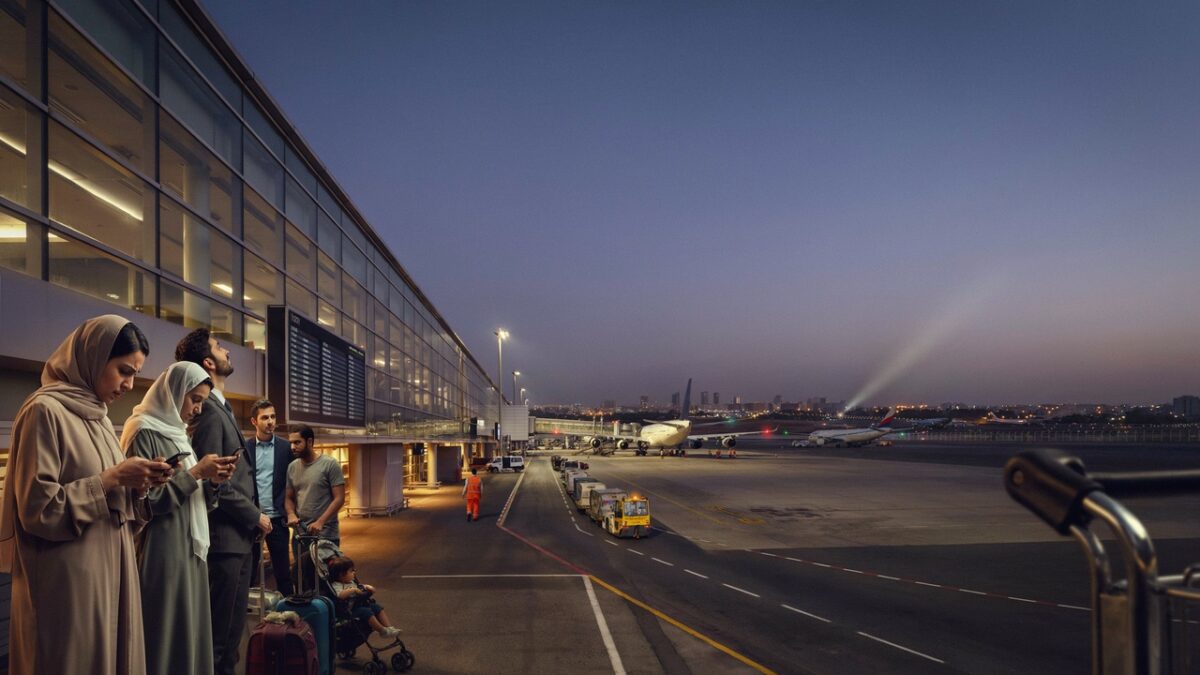
Image generated with Ai
The United States has aligned with Australia, Canada and the United Kingdom in issuing stronger security guidance for Gulf Travel as the UAE, Kuwait, Bahrain and Jordan confront volatile airspace conditions, disrupted flights and the risk of further regional attacks. The warnings follow renewed US–Iran hostilities, missile and drone activity, temporary aviation restrictions and selected airline cancellations across the Gulf. Emirates, Etihad Airways, Air Arabia, Kuwait Airways and Jazeera Airways have adjusted services as airports and aviation authorities respond to rapidly changing security conditions. Gulf airports remain operational, but passengers cannot assume that an open terminal guarantees their scheduled flight will depart normally.
The latest developments expose a widening gap between airport availability and airline certainty. The United States issued a worldwide caution on 18 July 2026, while Australia and Canada maintained elevated country-level advice for several Middle Eastern destinations. The European Union Aviation Safety Agency also advised covered operators to avoid the airspace of Bahrain, Kuwait, Qatar and the UAE until 29 July unless it reviews the measure earlier. These overlapping alerts do not create a universal ban on Gulf travel. However, they signal that passengers, airlines, tour operators and corporate travel planners must prepare for cancellations, rerouting, missed connections, border restrictions and sudden shelter instructions.
United States Worldwide Caution Raises the Gulf Travel Risk
The US State Department advised Americans worldwide to exercise increased caution because the Middle East security environment could escalate without warning. It highlighted the possibility of flight cancellations, periodic airspace closures and attacks against American interests or locations associated with US citizens.
The notice is a worldwide security caution rather than a new Level 4 prohibition covering the Gulf. Existing US country advisories already place the UAE, Kuwait, Bahrain and Jordan at Level 3, which means travellers should reconsider planned journeys. Iran remains at Level 4, meaning Americans should not travel there.
Australia also advises travellers to reconsider their need to visit or transit through the UAE, Bahrain, Kuwait and Jordan. Canada recommends avoiding non-essential travel to Kuwait and Jordan. Britain has not imposed a blanket prohibition on journeys to the UAE or Bahrain, but it warns that attacks and transport restrictions could return at short notice.
Government Advisories Create a Complex Middle East Travel Map
| Destination | United States | Australia | Key concern |
|---|---|---|---|
| UAE | Level 3: Reconsider Travel | Reconsider Your Need to Travel | Armed conflict, airspace interruption and terrorism |
| Kuwait | Level 3: Reconsider Travel | Reconsider Your Need to Travel | Missile activity, airport disruption and regional escalation |
| Bahrain | Level 3: Reconsider Travel | Reconsider Your Need to Travel | Drone threats, warning sirens and armed conflict |
| Jordan | Level 3: Reconsider Travel | Reconsider Your Need to Travel | Military activity, terrorism and Aqaba security concerns |
| Iran | Level 4: Do Not Travel | Do Not Travel | Conflict, detention, terrorism and civil unrest |
These classifications affect more than holiday decisions. Travel insurance may become limited when a passenger visits a destination against official government guidance. Corporate policies may also prevent staff travel, while tour operators may change itineraries to meet duty-of-care requirements.
Advertisement
Advertisement
Transit passengers must pay close attention. Australian guidance treats “reconsider your need to travel” as a warning to reconsider transit as well. A short airport connection can still leave a passenger exposed to airspace closures, cancellations or an unplanned overnight stay.
EASA Airspace Warning Deepens Aviation Uncertainty
EASA issued Conflict Zone Information Bulletin CZIB-2026-07 on 14 July. It applies to specified European and EASA-authorised operators and recommends avoiding the flight information regions of Bahrain, Kuwait, Qatar and the UAE at every altitude. It also covers part of the Gulf of Oman within Muscat airspace west of longitude 58°E.
The agency identified missile launches, drone overflights, interception activity, falling debris and possible aircraft misidentification as significant threats. Active national and US air-defence systems create additional complications for commercial aviation operating in confined regional airspace.
The bulletin does not automatically close Dubai, Abu Dhabi, Kuwait City, Manama or Doha airports. Gulf airlines operate under their respective national regulators and internal security assessments. Consequently, one carrier may continue a route while another suspends it. Passengers may also experience longer journeys when airlines divert around restricted areas.
Emirates, Etihad and Air Arabia Adjust Gulf Operations
Emirates cancelled several Dubai–Kuwait services on 19 July, while additional flights remained affected on 20 July. Etihad officially cancelled its Abu Dhabi–Kuwait services on 19 and 20 July for operational reasons. Air Arabia Abu Dhabi cancelled an earlier Kuwait rotation, although later services operated.
Kuwait Airways rescheduled most commercial flights after a temporary interruption to take-offs and landings at Kuwait International Airport. Jazeera Airways also revised schedules during intermittent restrictions. These adjustments show that operations are recovering unevenly rather than returning to a completely normal timetable.
Advertisement
Advertisement
Passengers should check the operating airline’s live status before travelling. A ticket issued by one carrier may involve another operating airline, especially under a codeshare agreement. Separate-ticket connections now carry greater risk because the second airline may not protect the passenger after a delay.
Aqaba Alert Adds Pressure on Jordan Tourism
The US Embassy in Amman issued a specific alert concerning King Hussein International Airport and the seaport in Aqaba. It advised Americans to avoid both facilities following information about a credible security threat.
Jordanian authorities later disputed suggestions of continuing disruption and reported normal activity. The US alert nevertheless remained a genuine security notice and was incorporated into Canada’s updated Jordan travel guidance.
Aqaba holds major importance for Jordan’s tourism economy. It provides access to the Red Sea and supports journeys to Petra and Wadi Rum. Any prolonged warning could affect leisure bookings, cruise calls, tour transfers and southern Jordan itineraries, even when facilities remain open.
Travellers Face an Unpredictable Gulf Journey
Travellers should confirm every flight segment directly with the operating airline. They should maintain valid passports and visas, keep medicines and chargers in cabin baggage and allow more time between connections. Passengers should also monitor local civil-defence instructions and avoid military bases, energy infrastructure, ports and demonstrations.
Photographing missile debris, security facilities or damaged infrastructure can lead to serious penalties. Travellers should not touch unusual objects or fragments. During an official shelter warning, people should enter a secure building and choose an internal room with few windows.
Advertisement
Advertisement
The immediate travel outlook remains unstable. Gulf aviation continues functioning, but changing airspace assessments, military activity and national security decisions can alter schedules within hours.
Frequently Asked Questions
Is the new US travel warning authentic?
Yes. The US State Department issued an official worldwide caution on 18 July 2026 because of heightened Middle East tensions.
Did the United States ban travel to the UAE?
No. The UAE remains at Level 3, which advises Americans to reconsider travel rather than prohibiting it completely.
Are Gulf airports closed?
Advertisement
Advertisement
Most major Gulf airports remain open, but temporary restrictions and individual flight cancellations can occur without lengthy notice.
Which airspace does EASA advise airlines to avoid?
The warning covers Bahrain, Kuwait, Qatar, the UAE and part of the Gulf of Oman at all altitudes.
How long will the EASA bulletin remain active?
It remains valid until 29 July 2026 unless the agency changes, extends or withdraws it earlier.
Are Emirates flights operating normally?
Advertisement
Advertisement
Emirates continues operating across its network, but selected Kuwait services have faced cancellations. Passengers must check individual flights.
Which Etihad services were cancelled?
Etihad cancelled selected Abu Dhabi–Kuwait services scheduled for 19 and 20 July because of operational conditions.
Is Aqaba airport closed?
Jordanian authorities reported normal operations, but the US Embassy issued a genuine alert advising Americans to avoid the airport and seaport.
Can passengers safely transit through Dubai or Abu Dhabi?
Advertisement
Advertisement
Transit continues, but passengers should review official advice, confirm every flight and avoid tight or separate-ticket connections.
Will travel insurance cover Gulf disruption?
Coverage depends on the policy and government advisory level. Travellers should obtain written confirmation from their insurer before departure.
Advertisement
Advertisement


