Published on
July 19, 2026
By: Pritam Nath

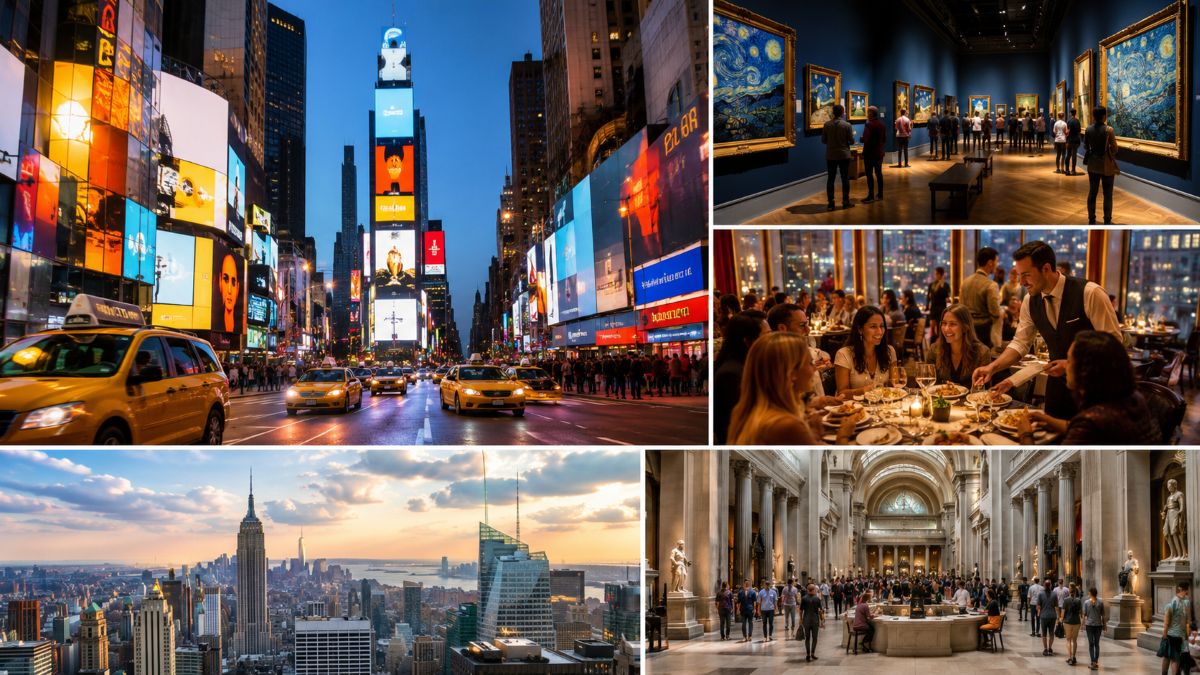
Image generated with Ai
New York City continues to strengthen its position as one of the world’s leading travel destinations by offering an extraordinary combination of performing arts, renowned museums, globally celebrated restaurants, public art, and immersive cultural attractions. From Broadway productions and internationally acclaimed exhibitions to innovative culinary destinations and outdoor artistic spaces, the city remains a benchmark for urban tourism. This dynamic tourism ecosystem places the United States alongside countries such as Canada, the United Kingdom, France, and Italy, all of which are recognized for blending heritage, creativity, and modern visitor experiences into globally competitive tourism offerings.
For domestic and international travelers alike, New York City’s appeal extends far beyond iconic landmarks. Visitors can experience award-winning theater, explore centuries of artistic achievement, dine at some of America’s finest restaurants, participate in interactive workshops, and discover free cultural attractions across multiple boroughs. These diverse experiences continue to support year-round tourism while contributing significantly to the city’s hospitality, transportation, entertainment, and retail industries. As global travelers increasingly prioritize authentic cultural experiences, New York remains at the forefront of experiential tourism.
Why New York City Continues to Dominate Global Urban Tourism
New York City’s tourism success is built on remarkable diversity rather than a single attraction. Every neighborhood presents distinct cultural identities, architectural styles, culinary traditions, and entertainment opportunities that collectively create an unmatched visitor experience.
The city welcomes millions of travelers each year who seek everything from Broadway performances and museum collections to shopping districts, historic landmarks, waterfront attractions, and multicultural neighborhoods. This broad tourism portfolio ensures visitors can customize itineraries based on their interests, travel budgets, and available time.
Advertisement
Advertisement
| Tourism Highlight | Visitor Experience | Travel Value |
|---|---|---|
| Broadway | World-famous live theatre | Premium entertainment |
| Museums | Art, history and culture | Educational tourism |
| Restaurants | International cuisine | Culinary travel |
| Public Art | Free cultural experiences | Budget-friendly sightseeing |
| Interactive Experiences | Virtual reality and workshops | Family-friendly attractions |
Broadway Remains the City’s Premier Entertainment Experience
Broadway continues to represent the pinnacle of live theatrical performance. Located around Times Square, its historic theaters host globally recognized musicals, contemporary productions, classic revivals, and award-winning dramas throughout the year.
International visitors frequently include at least one Broadway performance in their New York itinerary. Productions ranging from long-running classics to newly launched shows attract audiences from every continent.
Advertisement
Advertisement
The theatre district also generates significant economic activity through nearby hotels, restaurants, transportation services, retail businesses, and guided walking tours, making Broadway one of the strongest pillars of New York’s visitor economy.
| Broadway Advantage | Tourism Impact |
|---|---|
| International productions | Global visitor appeal |
| Historic theatres | Heritage tourism |
| Diverse performances | Appeals to every age group |
| Evening entertainment | Supports local hospitality |
Culinary Tourism Strengthens New York’s Global Reputation
New York has evolved into one of the world’s most influential culinary capitals. Visitors can enjoy Michelin-starred restaurants, neighborhood favorites, international cuisines, contemporary tasting menus, food markets, and innovative dining concepts across every borough.
Modern food destinations combine multiple celebrated chefs and local culinary entrepreneurs under one roof, allowing travelers to experience diverse cuisines without extensive travel across the city.
This culinary diversity reflects New York’s multicultural identity while encouraging longer visitor stays and repeat tourism.
| Dining Category | Visitor Appeal |
|---|---|
| Fine dining | Luxury travelers |
| Local favorites | Authentic experiences |
| Food markets | Multiple cuisines |
| International restaurants | Global culinary diversity |
Museums Continue to Drive Cultural Tourism
New York City’s museums remain among the world’s most visited cultural institutions. Art enthusiasts, historians, families, students, and researchers benefit from extensive permanent collections alongside regularly changing exhibitions.
Major exhibitions continue attracting international audiences by showcasing groundbreaking artists, historical artifacts, photography, sculpture, and contemporary installations.
Advertisement
Advertisement
Museum tourism also encourages educational travel, academic partnerships, and extended cultural exploration throughout the city.
| Museum Experience | Benefits for Visitors |
|---|---|
| Permanent collections | Year-round attraction |
| Temporary exhibitions | Repeat visitation |
| Educational programs | Learning opportunities |
| Family activities | Multi-generational appeal |
Contemporary Art Keeps New York at the Forefront of Creativity
Temporary exhibitions featuring influential modern artists reinforce New York’s reputation as a global art capital. Museums regularly introduce innovative exhibitions exploring photography, surrealism, social history, modern design, sculpture, and visual experimentation.
These curated experiences encourage travelers to return frequently, knowing each visit offers new artistic perspectives unavailable elsewhere.
The city’s galleries, artist communities, and public institutions collectively create one of the world’s most vibrant contemporary art ecosystems.
| Art Tourism Element | Travel Benefit |
|---|---|
| Contemporary exhibitions | Fresh visitor experiences |
| International artists | Global recognition |
| Historic collections | Cultural depth |
| Public installations | Accessible art |
Outdoor Art Expands Free Tourism Opportunities
New York demonstrates that meaningful cultural experiences do not always require admission tickets. Parks, waterfronts, public squares, elevated walkways, and neighborhood streets feature sculptures, murals, installations, and architectural landmarks that are freely accessible throughout the year.
These outdoor cultural attractions appeal particularly to budget-conscious travelers while encouraging exploration beyond traditional tourist districts.
Advertisement
Advertisement
The integration of art into public spaces enhances walkability and strengthens neighborhood tourism.
| Outdoor Attraction | Visitor Experience |
|---|---|
| Sculpture parks | Contemporary installations |
| Murals | Community culture |
| Public monuments | Historical storytelling |
| Waterfront art | Scenic exploration |
Interactive Experiences Appeal to Modern Travelers
Experiential tourism has become one of New York City’s strongest competitive advantages. Visitors increasingly seek immersive attractions rather than passive sightseeing.
Virtual reality experiences recreate ancient civilizations, while creative workshops allow participants to learn practical skills ranging from craftsmanship to artistic expression.
These activities broaden the city’s tourism appeal beyond conventional museums and landmarks, attracting families, younger travelers, and repeat visitors searching for unique experiences.
| Interactive Activity | Audience |
|---|---|
| Virtual reality | Families and technology enthusiasts |
| Creative workshops | Cultural travelers |
| Hands-on learning | Students |
| Artistic classes | Leisure visitors |
Free Museum Access Encourages Inclusive Tourism
Affordable tourism remains a significant priority for many travelers. Numerous New York museums provide free admission periods or pay-what-you-wish opportunities, making world-class collections accessible regardless of budget.
This accessibility helps expand cultural participation while supporting educational tourism and community engagement.
Advertisement
Advertisement
Budget-conscious travelers can therefore experience internationally recognized institutions without significantly increasing travel expenses.
| Affordable Attraction | Visitor Advantage |
|---|---|
| Free museum days | Lower travel costs |
| Discount admission | Greater accessibility |
| Public collections | Inclusive tourism |
| Community programs | Educational value |
New York’s Diverse Tourism Model Supports Sustainable Visitor Growth
New York City’s greatest tourism strength lies in diversification. Entertainment, gastronomy, education, architecture, history, public art, technology, shopping, and cultural heritage work together to create a balanced visitor economy.
Rather than depending upon a single attraction, the city continually introduces new exhibitions, performances, culinary concepts, and immersive experiences while preserving iconic institutions that have attracted visitors for generations.
This strategy strengthens tourism resilience, encourages repeat visitation, and supports thousands of businesses across hospitality, transportation, retail, entertainment, and cultural sectors.
For international travelers comparing major urban destinations, New York continues to offer one of the world’s richest combinations of culture, creativity, accessibility, and unforgettable experiences.
Frequently Asked Questions
1. Why is New York City considered one of the world’s best travel destinations?
New York offers Broadway, world-renowned museums, exceptional dining, iconic landmarks, public art, shopping, and diverse cultural experiences within one city.
Advertisement
Advertisement
2. What is Broadway famous for?
Broadway is internationally recognized for its professional theatre productions, including musicals, dramas, and award-winning live performances.
3. Are New York museums suitable for families?
Yes. Many museums provide interactive exhibits, educational activities, and family-friendly programs.
4. Can visitors enjoy free attractions in New York City?
Yes. Outdoor art installations, parks, public spaces, and selected museum admission days offer excellent free experiences.
5. Why is New York important for culinary tourism?
The city features diverse international cuisines, acclaimed chefs, neighborhood eateries, food markets, and fine dining establishments.
6. What makes New York’s art scene unique?
Its combination of internationally renowned museums, contemporary galleries, public art, and rotating exhibitions creates exceptional artistic diversity.
7. Are interactive experiences becoming more popular among visitors?
Yes. Virtual reality attractions, workshops, and immersive cultural experiences are increasingly attracting modern travelers.
Advertisement
Advertisement
8. Does New York offer activities throughout the year?
Yes. Broadway, museums, restaurants, seasonal events, exhibitions, and public attractions operate year-round.
9. How does New York support budget-conscious travelers?
Free museums, public parks, outdoor art, walking tours, and affordable cultural experiences help reduce travel costs.
10. Why does New York remain competitive in global tourism?
Its continuous investment in culture, entertainment, innovation, hospitality, accessibility, and diverse visitor experiences ensures lasting international appeal.
Advertisement
Advertisement