Published on
January 26, 2026

The United Kingdom is setting a new benchmark for sustainable public transportation with the introduction of electric double-decker buses, designed to revolutionize regional connectivity while significantly reducing emissions. This ambitious initiative, part of a £17 million project, aims to transform the way people travel across some of the country’s most heavily trafficked routes. By investing in UK-manufactured electric buses, the UK is not only enhancing the passenger experience with quieter, greener, and more accessible travel options but also taking a crucial step toward achieving its long-term environmental goals. With support from the UK government and key regional authorities, this project will nearly double the number of electric buses on the roads, marking a significant milestone in the nation’s commitment to a cleaner, more sustainable future in public transport.
Go North East Takes a Bold Step Towards Sustainable Public Transportation with the Launch of Electric Double-Decker Buses
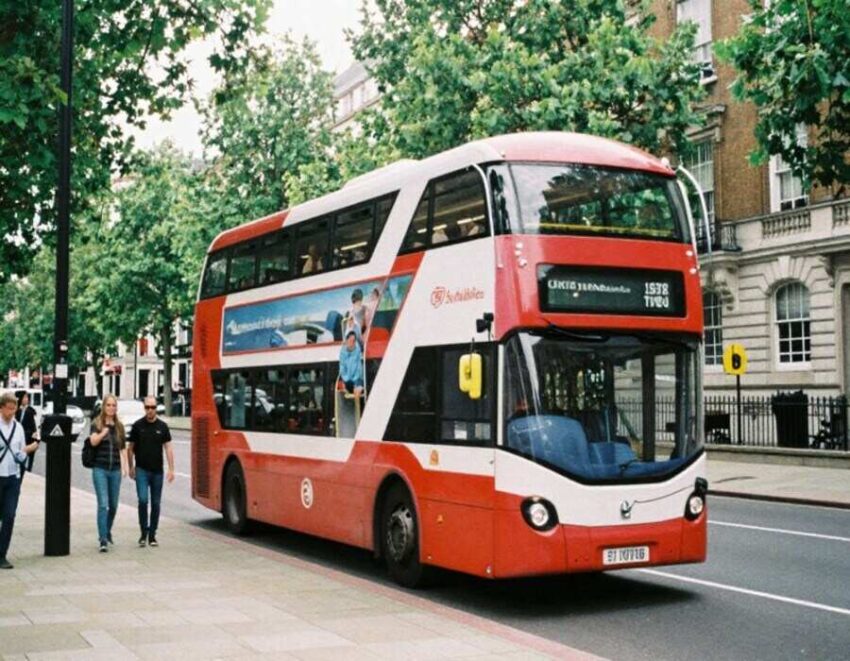
In a groundbreaking move toward greener public transportation, Go North East has introduced 29 brand-new electric double-decker buses, marking a major leap in the region’s journey to reduce emissions and enhance the sustainability of public transport. This £17 million project, a result of collaboration between Go North East, the North East Combined Authority, and the Department for Transport, is set to revolutionize travel across some of the region’s busiest routes.
These state-of-the-art electric buses, manufactured by UK-based Wrightbus, are designed to cater to three of the most heavily trafficked routes in the area. By offering an eco-friendly alternative to traditional diesel buses, these electric double-deckers will not only cut down on harmful emissions but also contribute to the region’s ambition to improve air quality and reduce its carbon footprint. With more than £7 million of the funding coming directly from the UK government, the initiative stands as a testament to the country’s commitment to investing in sustainable transportation solutions.
Enhancing Connectivity and Cutting Emissions
The new electric buses will soon be operational on high-demand routes that connect major cities and employment hubs. These include the Angel 21 route, which links Newcastle and Durham, the X66 route connecting Gateshead to the Metrocentre, and the 58 service, which serves Newcastle, Heworth, and the Follingsby employment area. These busy corridors are vital for commuters, and the introduction of these zero-emission buses will significantly contribute to cleaner air and less congestion in the region.
Charging the fleet is also a part of the eco-friendly initiative. Go North East has invested in a new infrastructure setup at its Riverside depot, where these electric buses will be charged. This new infrastructure has been made possible through collaboration with Northern Powergrid, ensuring that the buses can be charged efficiently while maintaining the reliability of services.
Advertisement
Advertisement
A Step Forward in the Transition to Greener Transport
Kim McGuinness, the Mayor of North East, called the project a pivotal moment in the region’s shift towards sustainable transport. In her comments, she highlighted the significance of the initiative, noting that the addition of these electric buses will almost double the number of electric buses already operating on local roads. This marks an important milestone in Go North East’s ongoing commitment to creating a greener transport system.
McGuinness also shared her ambitious vision for the future, stating her aim to phase out diesel buses over the next decade. The introduction of these electric buses represents just the beginning of a much broader effort to expand electric transportation options across the North East, reducing the region’s dependence on fossil fuels and making a significant impact on the global fight against climate change.
The Future of Public Transport: Cleaner, Quieter, and More Accessible
The new fleet promises to not only deliver environmental benefits but also improve the passenger experience. These electric buses are designed to be quieter, offering a more comfortable ride for passengers, free from the noisy hum of diesel engines. The buses also feature next-stop audio-visual announcements, making it easier for passengers to navigate their journeys, as well as hearing loops and external sounders to alert pedestrians of the bus’s approach. These additions are aimed at making public transport safer and more inclusive, ensuring that it caters to a wider range of passengers, including those with accessibility needs.
In addition to the environmental and accessibility features, these electric buses are part of Go North East’s broader goal of promoting sustainable transport options. The project exemplifies how investment in green technologies can have far-reaching impacts on local communities, improving air quality, reducing noise pollution, and fostering a healthier environment for all.
Long-Term Impact on the Region’s Transport Landscape
As part of the UK’s broader vision for a greener, more sustainable future, the introduction of these electric buses is a clear signal of the country’s commitment to reducing emissions and investing in cleaner transport solutions. By aligning with national sustainability goals, Go North East is helping lead the charge in making the North East a model region for sustainable transport, setting an example for other areas to follow.
This initiative also serves as a reminder of the vital role that public transportation plays in creating sustainable, thriving communities. As more cities and regions invest in cleaner, more efficient transport options, it will become increasingly important to develop strategies that not only reduce emissions but also improve the overall quality of life for residents and commuters.
The shift towards electric buses is part of a much larger trend in the transportation sector, where cities and countries across the globe are taking decisive action to transition to zero-emission transport solutions. The North East’s move with Go North East’s new fleet aligns with global efforts to decarbonize transportation, underscoring the importance of coordinated efforts to reduce environmental impact and improve public health.
The United Kingdom is leading the way in sustainable public transport with the launch of electric double-decker buses, set to reduce emissions and improve regional connectivity. This £17 million project will nearly double the number of electric buses on the road, marking a significant step towards a greener future.
In conclusion, the introduction of the 29 electric double-decker buses by Go North East represents a significant step forward in making public transportation more sustainable, efficient, and inclusive. As the buses hit the roads, they will undoubtedly play a key role in reducing emissions, enhancing accessibility, and setting the stage for a greener, more sustainable future for the North East. With continued investment and expansion, this initiative has the potential to shape the region’s transport landscape for years to come.