Published on
July 21, 2026

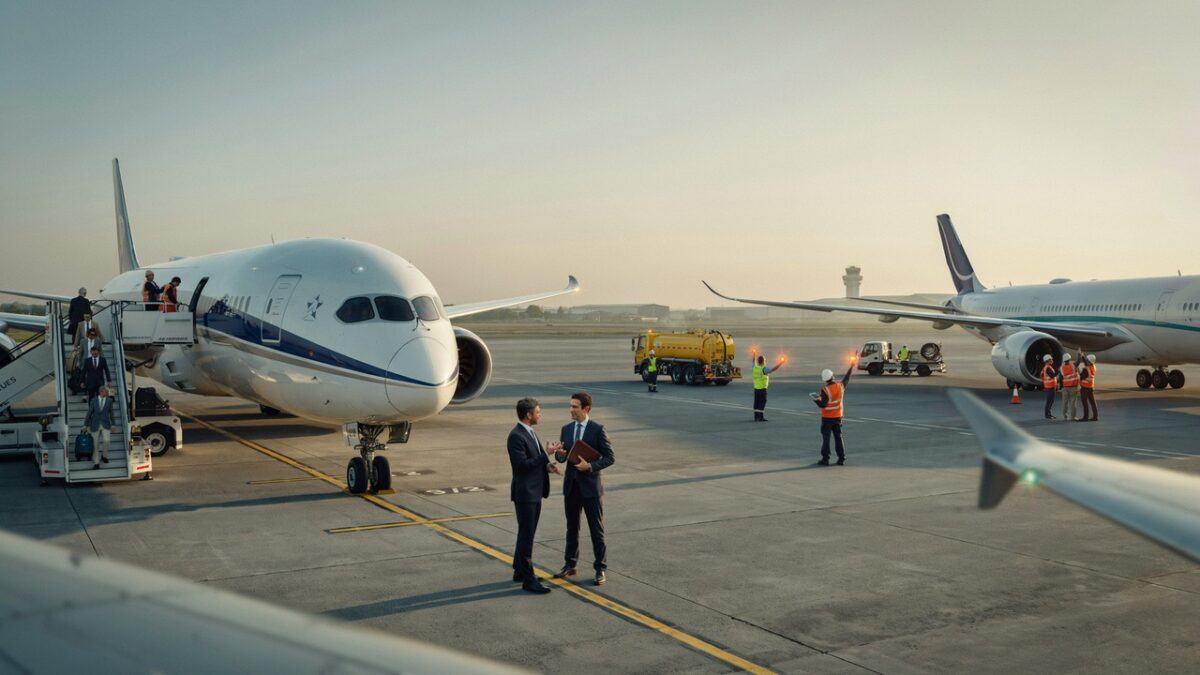
Image generated with Ai
Fuel price volatility caused by Middle East tensions is creating a new challenge for global airlines, but carriers are protecting growth by adjusting networks, increasing fares, improving efficiency and investing in next-generation aircraft. The aviation industry believes passenger demand will continue despite higher operating costs, as airlines focus on stronger markets and long-term expansion strategies.
Airlines Adapt As Oil Prices Rise While Travellers Continue Flying Worldwide
The global aviation industry is entering another period of uncertainty as rising oil prices increase pressure on airline finances. However, major carriers believe the impact will be managed through smarter operations rather than large-scale cuts.
At the Farnborough International Airshow, airline leaders highlighted that geopolitical tensions in the Middle East have created daily uncertainty for fuel markets. Yet airlines are continuing to focus on growth, route expansion and improving profitability.
Fuel remains one of the biggest expenses for airlines. Any sharp increase in crude oil prices quickly affects jet fuel costs, forcing carriers to review ticket prices, aircraft utilisation and network strategies.
Despite these challenges, passenger demand has remained stronger than many expected. The latest industry data showed that global air passenger demand declined year-on-year in May 2026, largely because of disruption linked to the Middle East conflict. However, outside the Middle East market, demand remained relatively stable and many regions continued recording growth.
Airlines are now relying on flexibility. Instead of reducing flying everywhere, carriers are moving aircraft towards routes with stronger demand and better financial performance.
Advertisement
Advertisement
British Airways Expands Strong Markets As Airlines Adjust Global Networks
British Airways is among the carriers using network flexibility as a strategy to manage rising costs.
The airline has shifted capacity towards markets showing stronger demand, including additional services to India and Nairobi. It is also preparing new routes to Melbourne and Colombo during the winter 2026–27 season.
Advertisement
Advertisement
This approach reflects a wider aviation trend. Airlines are no longer simply measuring success by the number of flights operated. They are focusing on route profitability, passenger demand and efficient aircraft deployment.
Long-haul routes remain attractive because they often generate higher revenues through premium cabins, business travel and strong international connections.
For travellers, this means some destinations may receive more flight options while weaker routes could see reduced frequencies. Airlines are expected to continue reviewing schedules as fuel costs and demand patterns change.
Asia-Pacific Airlines Face Greater Pressure Due To Lower Profit Margins
While major European and Middle Eastern carriers are adapting, Asian airlines face additional financial pressure because of traditionally lower profit margins.
Advertisement
Advertisement
Malaysia Airlines highlighted the challenge facing the region’s aviation sector. Fuel represents around 30% of operating costs for the carrier, while average airline margins across Asia-Pacific remain significantly lower than the global average.
The airline industry globally operates on relatively thin margins, making fuel price increases a major concern. According to IATA data, airlines worldwide continue operating with limited financial room, meaning higher fuel expenses often require adjustments in fares or capacity.
Malaysia Airlines has protected part of its fuel requirement through hedging, helping reduce exposure to sudden price increases. However, every increase in fuel prices creates additional pressure on operating expenses.
The carrier has already observed changes in booking behaviour after fare increases were introduced to compensate for higher costs. However, it continues to expand strategically by increasing frequencies to important markets, including China and Japan.
This highlights a major industry pattern: airlines are not abandoning growth, but they are becoming more selective about where they invest capacity.
Riyadh Air Maintains Long-Term Growth Plans Despite Aviation Uncertainty
Riyadh Air is taking a different approach by continuing aggressive expansion despite global uncertainty.
Advertisement
Advertisement
The Saudi Arabian start-up carrier used the Farnborough Airshow to strengthen its future fleet strategy, confirming additional widebody aircraft commitments. The airline confirmed six additional Airbus A350-1000 aircraft, increasing its firm commitment for the aircraft type to 31 units.
The airline has also expanded its Boeing 787 plans as part of a strategy to build a global network connecting Saudi Arabia with major international markets.
The expansion supports Saudi Arabia’s ambition to become a major global aviation hub under Vision 2030.
Rather than reacting to short-term market volatility, Riyadh Air is focusing on long-term demand growth. The airline believes aviation has always faced challenges, including economic cycles, fuel shocks and geopolitical disruptions.
For travellers, increased competition from new airlines could create more route choices, improved services and potentially stronger competition between carriers on international markets.
New Aircraft Technology Becomes A Key Weapon Against Fuel Costs
As fuel prices remain unpredictable, airlines are increasingly turning towards newer aircraft technology to reduce operating expenses.
Advertisement
Advertisement
Modern aircraft such as the Airbus A350 and Boeing 787 families offer improved fuel efficiency compared with older widebody aircraft.
Riyadh Air’s Airbus A350 expansion reflects this industry movement. The aircraft uses advanced materials, aerodynamic improvements and newer engines designed to reduce fuel consumption and operating costs.
Fleet modernisation has become one of the strongest strategies for airlines dealing with expensive fuel.
New aircraft help carriers:
- reduce fuel consumption
- lower maintenance costs
- improve passenger comfort
- operate longer routes more efficiently
This investment is expected to shape the future of global aviation as airlines balance sustainability targets with financial performance.
What Higher Fuel Prices Mean For Air Travellers
Although airlines are working to absorb some additional costs, passengers may notice changes in several areas.
Advertisement
Advertisement
Higher fuel prices can influence:
- airline ticket prices
- route availability
- seasonal flight schedules
- aircraft choices
- premium travel costs
Travellers planning international trips may experience higher fares on fuel-intensive long-haul routes, especially where airlines have limited competition.
However, increased capacity on popular routes and stronger competition between carriers could help control prices in some markets.
Passengers are also expected to benefit from more efficient aircraft entering service, offering improved cabins, better connectivity and longer non-stop routes.
Aviation Industry Remains Confident Despite Middle East Disruption
The latest fuel challenge arrives during a period when airlines have generally strengthened their financial position compared with previous crises.
Industry executives believe carriers are better prepared because many entered the current situation with stronger balance sheets, improved pricing strategies and higher demand.
Advertisement
Advertisement
The aviation sector has also demonstrated greater ability to adjust quickly. Airlines are changing schedules, protecting profitable routes and using technology to reduce costs.
While the Middle East conflict has affected traffic patterns, global aviation continues moving forward.
The future of air travel will depend on how long fuel prices remain elevated, how geopolitical conditions develop and whether passengers continue accepting higher fares.
For now, airlines are choosing adaptation over retreat.
The message from Farnborough is clear: global aviation is facing another challenge, but carriers are determined to keep flying, expanding and connecting the world.
Frequently Asked Questions
Will rising oil prices make flights more expensive?
Higher fuel costs can increase airline operating expenses, and some carriers may adjust fares to protect profitability. However, competition and demand conditions will influence how much prices rise.
Advertisement
Advertisement
Are airlines cancelling routes because of fuel costs?
Most major airlines are not reducing networks completely. Instead, many are reallocating aircraft towards stronger-performing routes.
Which passengers could feel the biggest impact?
Travellers flying long-haul international routes may experience greater price pressure because these flights consume more fuel.
Are new aircraft helping airlines reduce costs?
Yes. New-generation aircraft such as the Airbus A350 and Boeing 787 are designed to use less fuel and reduce operating expenses.
Is global air travel demand falling?
Demand has been affected by Middle East disruption, but many markets remain resilient. IATA reported a global decline in May 2026 mainly linked to the conflict’s impact on Middle Eastern carriers.
Advertisement
Advertisement