Published on
July 19, 2026

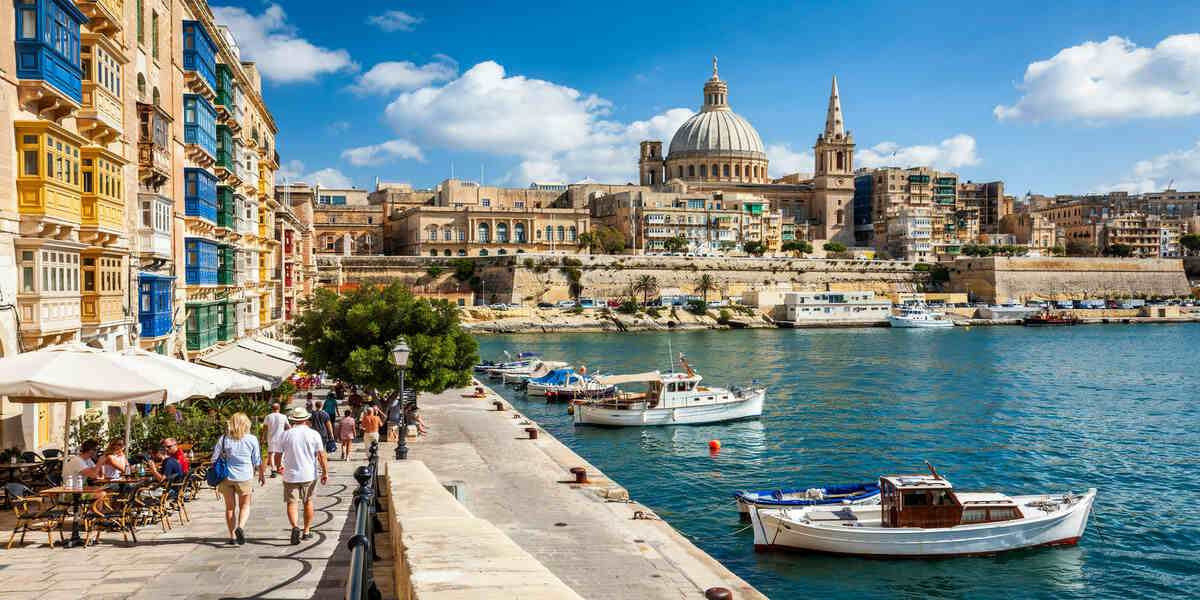
Image generated with Ai
Malta is moving closer to its 4.5 million annual tourist ambition as strong demand from the UK, Italy, Germany, Spain and other major European markets drives record visitor growth, pushing the Mediterranean island towards achieving its 2035 target earlier than expected. With more than four million arrivals already recorded, Malta’s tourism success is being powered by improved connectivity, heritage attractions, luxury hospitality and year-round travel experiences, while authorities now focus on increasing visitor value through longer stays, higher spending and sustainable tourism growth.
Malta is rapidly approaching a tourism milestone once considered a distant ambition, with strong demand from the United Kingdom, Italy, Germany, Spain and other major European markets accelerating the island’s journey towards attracting 4.5 million tourists annually by 2035. Record visitor numbers, rising accommodation demand and growing international interest suggest that the Mediterranean destination could reach its long-term target much earlier than originally planned.
The island nation has experienced remarkable tourism momentum, transforming from a traditional Mediterranean holiday destination into a year-round travel hotspot driven by cultural experiences, heritage attractions, luxury hospitality, coastal escapes and improved international connectivity. However, while arrivals continue climbing, Malta is now facing a new strategic question: whether future tourism success should focus on increasing visitor numbers or attracting travellers who stay longer and spend more.
The latest tourism performance shows a mixed but highly significant picture. Malta has welcomed record numbers of international visitors and achieved major growth in guest nights, but changing traveller behaviour has created new challenges. Visitors are increasingly taking shorter trips, while average spending per tourist has declined, pushing policymakers to rethink the next stage of tourism development.
Advertisement
Advertisement
Malta Tourism Growth: Tourist Arrivals 2024–2026
| Year / Period | Tourist Arrivals | Growth Trend | Key Tourism Highlights |
|---|---|---|---|
| 2024 | Around 3.56 million tourists | Strong recovery year after the pandemic period | Malta continued rebuilding international demand, supported by major European markets including the United Kingdom, Italy, Germany, France and Poland. Tourism growth was driven by improved air connectivity, cultural tourism, cruise demand and year-round travel experiences. |
| 2025 | 4,022,310 tourists | +12.9% year-on-year growth | Malta crossed the 4 million visitor milestone for the first time. Total guest nights reached 25.4 million, while tourist spending exceeded €3.9 billion, marking a record tourism performance. The strongest growth came from expanded European demand and stronger off-peak travel. |
| January–May 2026 | 1,673,602 tourists | +17.9% compared with January–May 2025 | Malta maintained strong momentum in 2026, recording 9.2 million guest nights and €1.34 billion in tourist expenditure during the first five months. Average expenditure per visitor stood at €800. |
| May 2026 alone | 457,636 tourists | +22.3% compared with May 2025 | The UK, Italy and Poland together accounted for 44.8% of inbound tourists. Guest nights increased to 2.59 million, while tourism spending reached €419.9 million. |
UK Remains Malta’s Strongest Tourism Engine as European Markets Expand Island Demand
The United Kingdom continues to play a central role in Malta’s tourism success story, remaining one of the island’s most important international source markets. Strong historical connections, frequent air links, widespread English-language accessibility and Malta’s appeal among British holidaymakers have helped maintain the UK as a dominant contributor to visitor arrivals.
Alongside the UK, other European markets including Italy, Germany, Spain, France, Poland and Ireland continue supporting Malta’s tourism expansion. These countries represent a combination of short-haul leisure markets, cultural travellers, family holidaymakers and experience-driven visitors seeking Mediterranean destinations with strong heritage value.
Advertisement
Advertisement
Italy’s importance comes from its geographical proximity and long-standing cultural relationship with Malta. Italian travellers are attracted by the island’s historic links, Mediterranean lifestyle, food experiences and easy accessibility. Germany remains another valuable market, with visitors drawn to Malta’s climate, diving opportunities, outdoor activities and heritage attractions.
Spain and France are also contributing to Malta’s wider European tourism network, strengthening the island’s position among Mediterranean destinations competing for international travellers. Poland and Ireland have emerged as increasingly important markets, adding further diversity to Malta’s visitor base.
Advertisement
Advertisement
This broad European demand has helped Malta reduce reliance on a limited number of markets while creating a more balanced tourism ecosystem. The growth of multiple source markets has become a key factor behind the island’s ability to move closer to its ambitious visitor target.
Malta Reaches Historic Tourism Levels as 4.5 Million Visitor Goal Comes Into Focus
Malta’s tourism authorities originally established the goal of reaching 4.5 million tourists annually by 2035 as part of a long-term growth vision. However, recent performance has raised the possibility that the target could be achieved significantly earlier.
The island recorded more than 4 million tourist arrivals in 2025, marking one of the strongest performances in Malta’s tourism history. The achievement represented a major acceleration compared with previous forecasts and demonstrated the strength of international demand for the destination.
Tourism growth has been supported by Malta’s unique combination of attractions. The country offers ancient historical sites, UNESCO-listed heritage locations, crystal-clear waters, luxury resorts, traditional villages, Mediterranean cuisine and cultural events that appeal to different traveller segments.
Advertisement
Advertisement
The growth is not limited to summer beach tourism. Malta has increasingly positioned itself as a year-round destination by promoting city breaks, cultural tourism, diving holidays, business events, wellness experiences and adventure travel.
This shift has helped extend the tourism calendar beyond traditional peak months, allowing hotels, restaurants and tourism businesses to benefit from a wider distribution of visitors throughout the year.
The possibility of reaching 4.5 million visitors before 2035 has encouraged discussions about whether Malta should revise its tourism ambitions and establish new targets focused on quality, sustainability and economic value.
More Tourists, More Guest Nights but Shorter Stays Create New Tourism Challenges
Although Malta’s tourism growth has delivered significant economic benefits, recent data highlights an important challenge. While visitor numbers and total guest nights have increased, tourists are staying for fewer nights and spending less compared with previous periods.
This changing pattern reflects wider global travel trends. Many travellers are choosing shorter breaks, combining multiple destinations in one holiday and prioritising flexible travel experiences.
For Malta, this means that simply increasing arrivals may not guarantee stronger economic returns. A larger number of visitors does not automatically translate into higher tourism revenue if average spending and length of stay decline.
Advertisement
Advertisement
The Maltese tourism sector is therefore increasingly focusing on attracting high-value travellers who spend more, explore beyond popular locations and participate in premium experiences.
Authorities are looking at strategies that encourage longer stays, promote lesser-known attractions and distribute visitors more evenly across Malta and Gozo. This approach aims to protect local communities while maintaining tourism as a major economic driver.
The challenge represents a major turning point for Malta. The country has successfully built visitor demand, but the next phase requires converting tourism growth into greater economic and social value.
Malta Shifts Towards Sustainable and Higher-Value Tourism Future
Malta’s future tourism strategy is increasingly centred on sustainability rather than unlimited volume growth. As one of Europe’s most densely visited island destinations, managing visitor pressure has become a priority.
The government and tourism industry are working to balance economic opportunities with environmental protection, infrastructure capacity and residents’ quality of life.
The focus is moving towards attracting travellers interested in authentic experiences rather than only traditional sun-and-sea holidays. Cultural tourism, heritage exploration, gastronomy, wellness, diving and outdoor activities are becoming increasingly important parts of Malta’s tourism offering.
Advertisement
Advertisement
The island’s historic cities, including Valletta, Mdina and the Three Cities, remain major attractions, while rural landscapes and coastal areas provide opportunities for visitors seeking less crowded experiences.
Investment in hospitality quality, digital tourism services and improved visitor management is expected to play a crucial role in supporting Malta’s next tourism chapter.
The objective is not simply to welcome more tourists but to create a stronger destination economy where visitors contribute more significantly during their stay.
Europe’s Travel Demand Places Malta Among Mediterranean Tourism Winners
Malta’s tourism rise reflects a wider Mediterranean travel recovery, where destinations with strong cultural identities and reliable connectivity are benefiting from renewed international demand.
Competition across Europe remains intense, with countries such as Spain, Italy, Greece, Portugal and Croatia continuing to attract millions of international travellers. However, Malta’s smaller size and distinctive heritage offer a unique advantage in the global tourism market.
The island has successfully positioned itself as a destination offering history, culture, nature and modern hospitality within a compact geographical area. This combination allows visitors to experience multiple attractions during shorter stays.
Advertisement
Advertisement
Strong demand from European markets, particularly the UK, Italy, Germany and Spain, has strengthened Malta’s position as one of the Mediterranean’s most resilient tourism destinations.
As the island approaches its 4.5 million visitor ambition, the focus is now shifting from achieving growth to managing success.
Malta’s Next Tourism Chapter Will Depend on Value, Not Only Visitor Numbers
Malta’s journey towards 4.5 million tourists annually by 2035 represents one of the most ambitious tourism transformations in Europe. Supported by the UK, Italy, Germany, Spain and other international markets, the island has reached levels of growth that were previously expected much later.
However, the next challenge will determine the long-term success of Malta’s tourism model. Increasing arrivals alone will not be enough. The destination must encourage longer stays, higher spending and more sustainable travel patterns.
The tourism boom has created new opportunities for businesses, communities and investors, but it has also highlighted the importance of responsible growth.
With strong international appeal, expanding European demand and a globally recognised heritage offering, Malta is entering a defining period. The island may achieve its 2035 visitor ambition earlier than expected, but its ultimate success will depend on creating a tourism future that delivers lasting value for travellers, residents and the economy.
Advertisement
Advertisement
Malta’s tourism boom is accelerating as the UK, Italy, Germany, Spain and other key European markets fuel record visitor growth, helping the Mediterranean island move closer to its ambitious 4.5 million tourist target by 2035. Strong arrivals, expanding connectivity and growing demand for heritage, luxury and year-round experiences are pushing Malta’s tourism future beyond expectations while creating a new focus on higher-value travel.
Malta’s journey towards attracting 4.5 million tourists annually by 2035 is gaining momentum as the UK, Italy, Germany, Spain and other major European markets continue driving the island’s tourism expansion. While record arrivals highlight Malta’s growing global appeal, the next phase will depend on creating greater value through longer stays, higher spending and sustainable visitor management. The island’s success has moved beyond recovery into a new era of tourism growth, where balancing economic benefits with environmental and community needs will determine whether Malta can transform record visitor numbers into a stronger and more resilient tourism future.
Advertisement
Advertisement