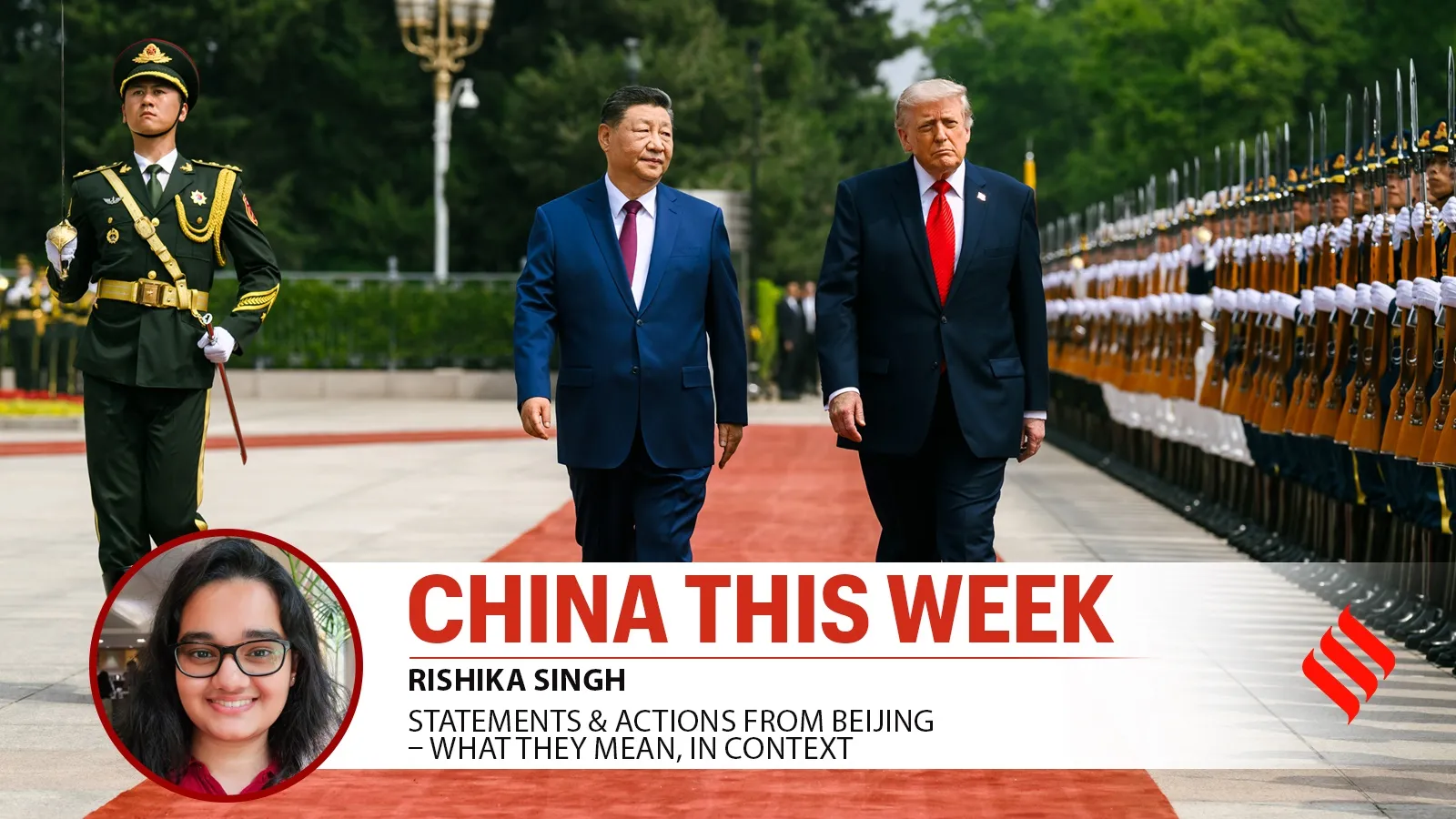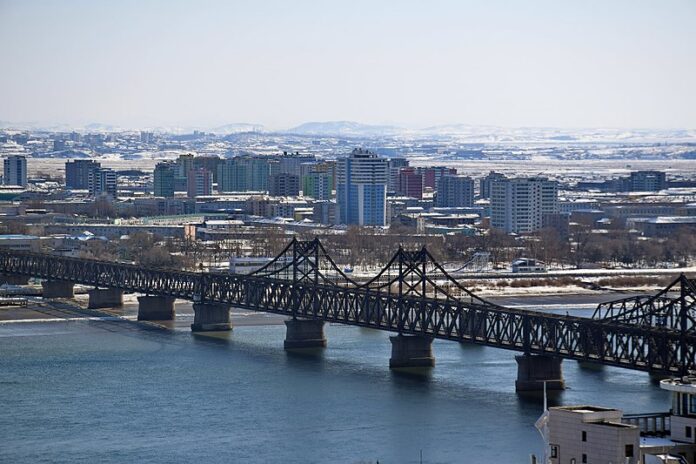

North Korean trade workers in China are facing tighter surveillance as Pyongyang and Beijing look to expand trade following a recent summit between the two countries, a source told Daily NK on Friday. The crackdown appears aimed at heading off personal profiteering and corruption before bilateral trade picks up in earnest. Chinese leader Xi Jinping made a rare state visit to Pyongyang on June 8 and 9, 2026, his first trip to North Korea since 2019.
“Surveillance of North Korean trade workers in China has not eased at all,” the source said. “That has been true since before Chinese President Xi Jinping’s visit to Pyongyang. It remains true now that the visit is over.” “As a result, the scope of their activity has narrowed sharply,” the source said.
According to the source, North Korean authorities have been closely watching trade workers dispatched to China since early this year. Authorities are tracking who these workers meet. They are also tracking what deals are discussed and which institutions are contacted.
National Intelligence Agency (the new name of the Ministry of State Security) agents from Pyongyang are reportedly tailing trade workers around the clock in China, the source said. The agency handles internal surveillance and political security in North Korea. “Even when trade workers try to meet Chinese contacts or existing partners, agents often go with them,” the source said. “In other cases, workers must report the details in advance. It’s not like before, when they could freely meet people or scout out goods.”
Agents are also working to block trade workers from earning personal profit, the source said. In the past, workers often shipped personal goods alongside official cargo. That let them earn extra income on the side. Now, that kind of activity has become nearly impossible. Workers must report import and export details in full. Any deals unrelated to their official duties are strongly blocked.
The crackdown has led to complaints among North Korean trade workers in China, the source said. Some say they can barely cover living expenses, even while working abroad. “In the past, workers could make a little extra money while doing their official jobs,” the source said. “Now that agents constantly follow them, that’s become almost impossible.” “Among trade workers, there’s a saying,” the source added. “‘Even out in China, our hands and feet are tied.’”
North Korean trade workers turn to sanctioned goods
That does not mean trade workers have abandoned personal profit entirely. Shipping personal goods alongside official cargo is now harder. So some workers have turned to a different option. They are targeting items that North Korea needs but that China bans from export to North Korea.
Common examples include production equipment, medical devices and construction machinery covered by sanctions on North Korea. These goods are in demand inside North Korea. But China’s export controls make it hard to bring them in through normal trade channels. As a result, they often end up being smuggled in. That process gives trade workers a chance to pocket a share of the profit, the source said.
“North Korea keeps demanding items like production equipment, medical devices and construction machinery, but China often blocks them,” he said. “These goods are hard to clear through official customs. So they end up moving through unofficial channels instead. That process is often opaque. It gives trade workers room to skim off a share for themselves.”
North Korean authorities appear to be tightening control over trade workers abroad for this reason. Officials want to head off personal corruption, graft and misuse of resources before North Korea-China trade expands further. As economic cooperation between the two countries grows, trade volumes will grow too. So will the funds passing through trade workers’ hands.
Authorities are also tightening control because trade workers could siphon off state goods and foreign currency for themselves. They could also collude with Chinese business contacts for personal gain.
Crackdown could push trade further underground
Some in the trade community worry that excessive surveillance could backfire. Tighter monitoring could make negotiations and securing goods harder. It could also push informal deals further underground. Contact with Chinese business partners is already restricted. And every activity is now subject to monitoring. That could shrink legitimate, normal trade. At the same time, covert dealing in banned export items could flourish.
“North Korea has made clear it will not tolerate trade workers profiting personally,” the source said. “But workers who are cut off from earning money end up moving toward riskier, more tightly controlled goods. The tighter the surveillance gets, the more secretive the trade will become.”
Reporting from inside North Korea
Daily NK operates networks of sources inside North Korea who document events in real-time and transmit information through secure channels. Unlike reporting based on state media, satellite imagery, or defector accounts from years past, our journalism comes directly from people currently living under the regime. We verify reports through multiple independent sources and cross-reference details before publication.
Our sources remain anonymous because contact with foreign media is treated as a capital offense in North Korea — discovery means imprisonment or execution. This network-based approach allows Daily NK to report on developments other outlets cannot access: market trends, policy implementation, public sentiment, and daily realities that never appear in official narratives.
Maintaining these secure communication channels and protecting source identities requires specialized protocols and constant vigilance. Daily NK serves as a bridge between North Koreans and the outside world, documenting what’s happening inside one of the world’s most closed societies.