Millions of Americans are feeling the pinch of higher costs — to the point that the level of food insecurity in the U.S. is higher now than at the height of the COVID-19 pandemic, when millions of workers were unemployed, a new survey from the Federal Reserve Bank of New York found.
Consumer sentiment also hit a new low in May. The University of Michigan Consumer Sentiment Index, which measures consumers’ economic outlook, dropped to its lowest point ever — lower than during the Great Recession, the pandemic, and the 2022 bear market.
Missed Nvidia in 2009? This Rare Signal Is Flashing Again. In 2009, a “Double Down” signal flashed for a little-known chipmaker called Nvidia. For the first time in years, that same “Total Conviction” signal is flashing for a company 1/100th the size of Nvidia. Continue »
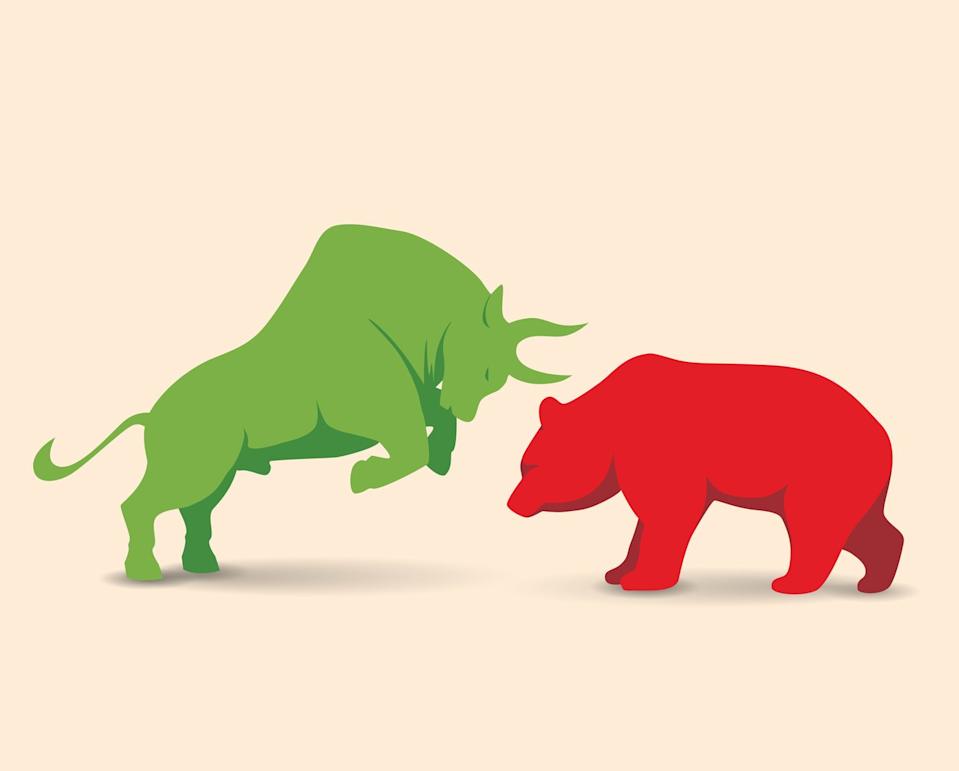
Typically, economic pessimism goes hand in hand with a declining stock market. Right now, though, the S&P 500 (SNPINDEX: ^GSPC) is reaching record high after record high with no signs of slowing down. This disconnect is unusual, and while nobody can predict exactly where the market is headed, history can offer some reassuring news for investors.
Explosive tech stocks are leading the market’s rally
Much of the market’s growth over the past few years can be attributed to the technology sector’s monumental returns.
Semiconductor stocks Nvidia and Micron Technology have seen massive gains, earning total returns of around 465% and 1,420%, respectively, over the past three years alone. Tech has dominated so much that the “Magnificent Seven” — consisting of Nvidia, Apple, Microsoft, Amazon, Alphabet, Meta Platforms, and Tesla — account for around 35% of the S&P 500’s overall value, as of May 2026.
SpaceX, OpenAI, and Anthropic are also planning to join the stock market with initial public offerings slated for later this year, so it doesn’t appear that the tech boom is slowing down just yet. With so much investor excitement around this industry, the S&P 500 may continue to reach new heights even if the economy is on a different page.
Will this lead to a recession in 2026?
Many investors are worried we’re in an AI bubble, drawing parallels to the dot-com bubble and subsequent bear market in the early 2000s. But the market landscape is much different now than it was two decades ago, and trying to predict where prices are headed can be risky.
If history shows us anything, it’s that the market is unstoppable with enough time. Even if we face another dot-com-like bubble burst, staying in the market for the long haul is the most effective way to protect your portfolio.