- Premier League Betting Ban Implemented: Starting with the 26-27 season, the Premier League has officially enforced its ban on gambling sponsorships appearing on the front of matchday shirts, marking a significant aesthetic change after over two decades.
- Limited Scope of the Ban: The new regulation is specifically limited to the primary front-of-shirt position, leaving other commercial areas such as sleeve sponsorships, training apparel, and pitchside advertising open to gambling brands.
- Clubs Pivot Sponsorships to Unrestricted Areas: Numerous Premier League clubs have adapted by shifting their gambling sponsors from shirt fronts to other permissible locations like sleeves and training wear, ensuring continued financial relationships with the betting industry.
With the start of the 26-27 season, the Premier League‘s self-imposed ban on front-of-shirt gambling sponsorships has officially taken effect. Originally agreed upon by clubs in April 2023, the landmark rule completely eliminates betting operators from the central chest position of matchday kits across all 20 top-flight clubs for the first time in over two decades, marking a major aesthetic change after a campaign where more than half the league carried bookmakers on their shirts.
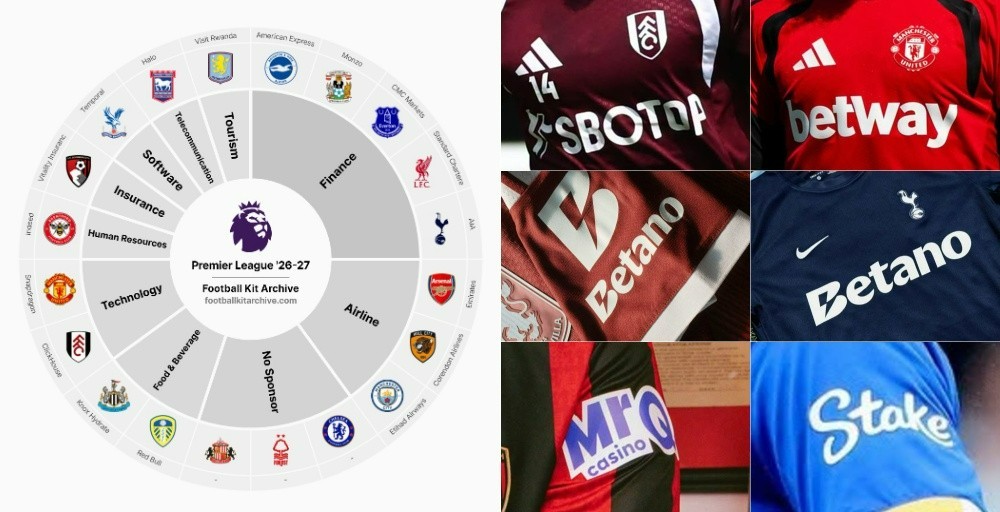
Premier League Gambling Ban Takes Effect: How Clubs Are Shifting Sponsors to Sleeves and Training Wear
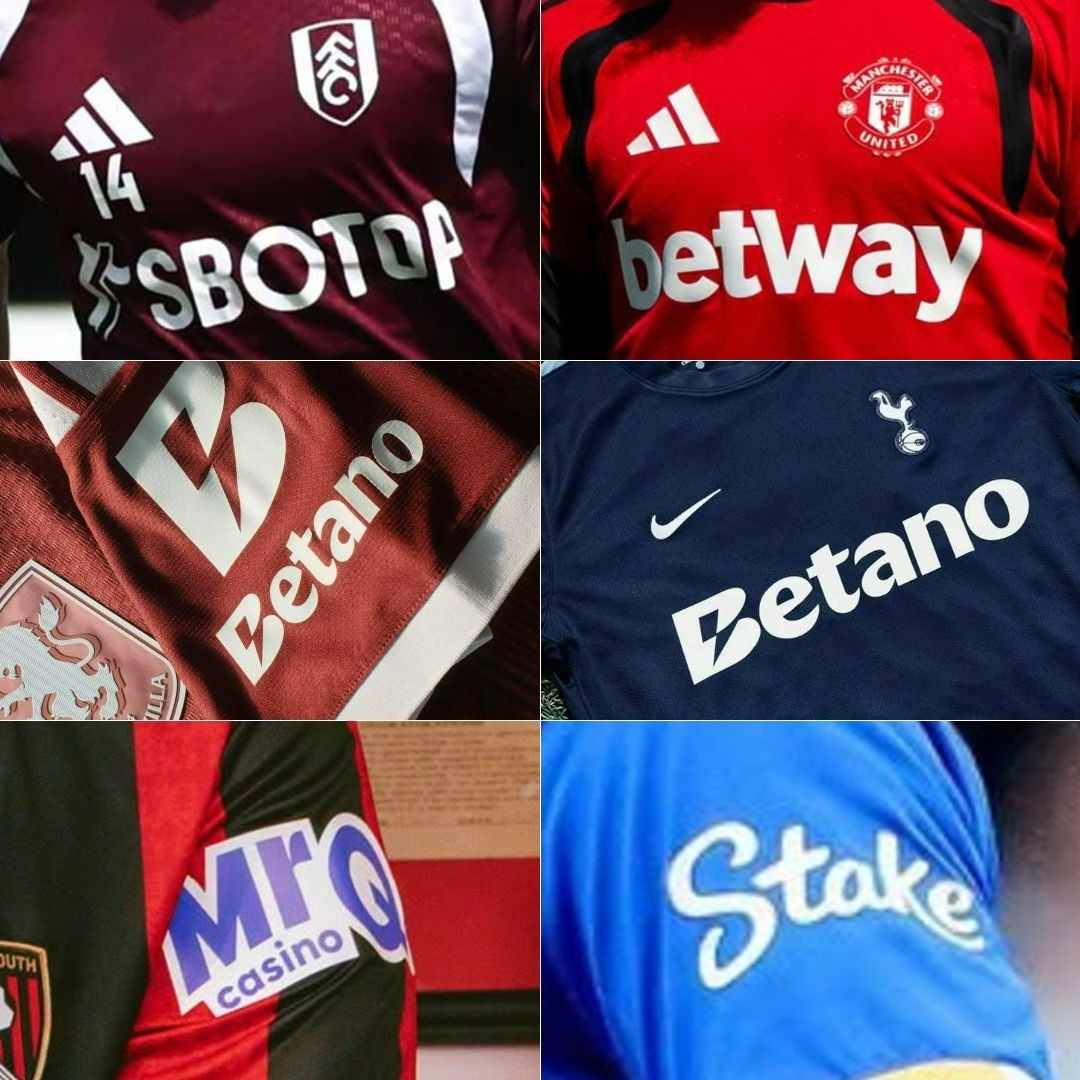
However, while matchday shirt fronts are now free of betting brands, the regulation is deliberately specific in scope. The prohibition strictly applies to the primary front-of-shirt location on matchday jerseys. It does not restrict other commercial inventory, leaving sleeve sponsorships, training apparel, pitchside LED boards, and official digital partner packages entirely open to gambling brands.
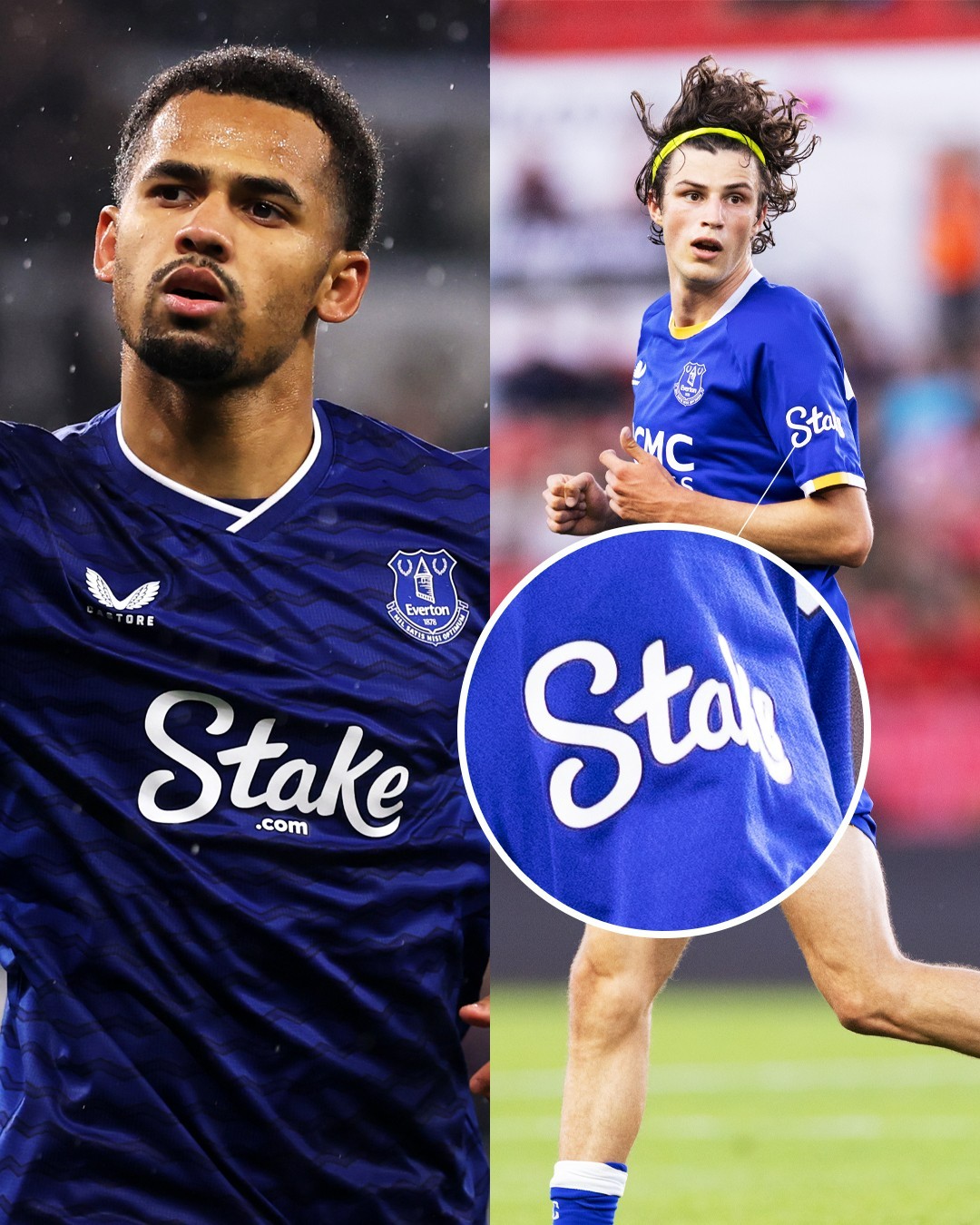
Rather than ending lucrative relationships with the betting industry, numerous Premier League clubs have adapted by shifting sponsors to these unrestricted areas. Everton transitioned Stake onto their shirt sleeves, while Aston Villa moved Betano to their sleeve slot. Tottenham Hotspur brought Betano on board as their official training wear partner, and Bournemouth incorporated gambling sponsorship on their match kit sleeves.
The clearest demonstration of this commercial pivot arrived with Manchester United’s multi-year agreement with Betway, valued at £20 million per year. Operating fully within Premier League guidelines, Betway became the principal partner on the club’s training gear for both the men’s and women’s squads. With daily social media content, training session videos, and press conference coverage receiving global viewership, training kits have become nearly as effective for brand exposure as matchday shirts.
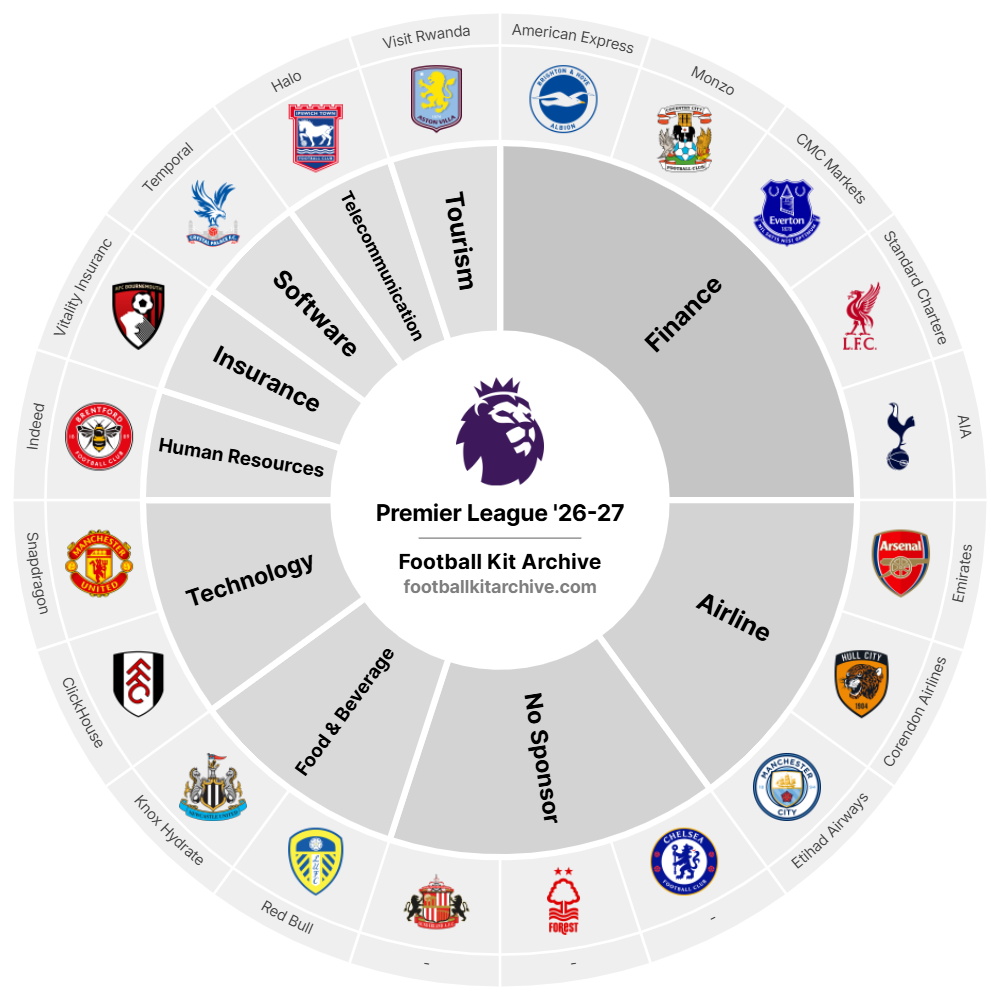
While the new rule successfully cleans up the front of matchday jerseys and keeps gambling logos off replica shirts sold to children, the overall commercial relationship between English football and the betting industry remains deeply interconnected. Through sleeve patches and high-profile training wear, gambling operators have ensured their visual presence in Premier League football endures through the 26-27 season and beyond.
What do you think about the “close relationship” between betting companies and Premier League clubs? Do you think the Premier League’s ban on gambling shirt sponsorships will actually be effective? Share your thoughts in the comments below.