WASHINGTON (TNND) — As the school year winds down, new national data is underscoring a persistent challenge in American education: students are still not back to pre-pandemic performance levels in reading and math.
At the same time, educators are reporting a shift in how students spend their time — including fewer children reading for pleasure — while schools across the country debate how much modern technology, including artificial intelligence and cell phones, may be shaping learning outcomes.
Recent assessments show student achievement has yet to fully recover from pandemic-era disruptions, with reading and math performance still lagging behind earlier benchmarks.
The declines are part of a broader trend that educators say has been slow to reverse, even several years after classrooms returned to normal operations.
Alongside test score data, federal education surveys also point to a behavioral shift: fewer students report reading for fun in their free time compared to previous years.
Fewer kids are reading for fun
That decline in recreational reading is drawing attention from educators and researchers who say reading habits are closely tied to academic performance.

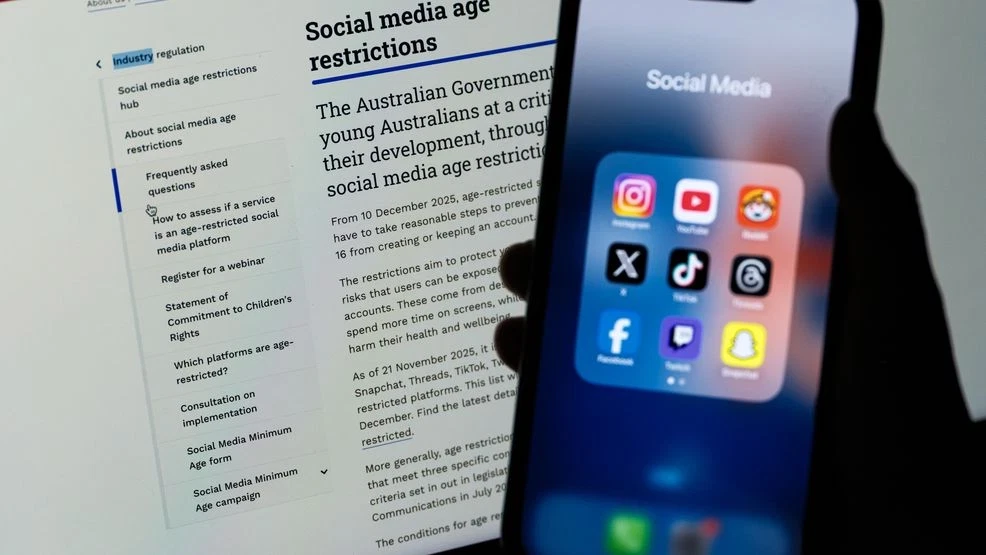
SYDNEY, AUSTRALIA – DECEMBER 07: In this photo illustration, social media networking apps are displayed on a phone with the eSafety Commissioner website displayed in the background on December 7, 2025 in Sydney, Australia. The Online Safety Amendment (Social Media Minimum Age) Act 2024 requires social media platforms, including TikTok, Instagram, Facebook, YouTube, Snapchat, X, Reddit, Threads, Twitch, and Kick to implement age-verification systems and take reasonable steps to prevent account creation by users under 16, with non-compliant platforms facing penalties of up to A$50 million. (Photo Illustration by George Chan/Getty Images)
Students who read regularly outside of school tend to score higher in both reading and math, according to long-running federal education research.
But the latest data suggests fewer young people are choosing books in their free time — raising questions about whether digital entertainment, social media, and other screen-based activities are reshaping how children spend their days.
AI raises new concerns in classrooms
One emerging factor in the education debate is artificial intelligence. Some educators and policymakers are questioning whether AI tools are helping students learn — or making it easier to bypass critical thinking altogether.
A recent survey of teachers found that a majority believe AI is making it harder for students to develop critical thinking skills, raising concerns that students may be relying on technology to complete assignments rather than engage deeply with material.
In a more aggressive response, Florida’s attorney general has filed a lawsuit against OpenAI, alleging potential harms to young users and arguing that tools like ChatGPT could contribute to diminished critical thinking. OpenAI has denied those claims and says it has implemented safeguards for younger users.
Schools move to limit cell phones
At the same time, schools are increasingly turning their attention to another form of technology already embedded in students’ daily lives: cell phones.
A growing number of districts and states are implementing restrictions or full bans on phone use during the school day, aiming to reduce distractions and improve focus in classrooms. Some educators say early results are encouraging, reporting that students are more engaged, spending more time on reading and classroom interaction when phones are put away.
However, experts caution that evidence of long-term academic improvement is still developing. While technology is often central to the debate, many education researchers say it may not be the sole driver of declining performance. They point instead to a combination of factors, including lingering pandemic learning loss, attendance challenges, and broader shifts in how students interact with information in a digital world.
That has led to a larger question for schools: are current education standards keeping pace with a generation raised on screens, AI tools, and constant connectivity — or are schools still measuring success using systems built for a pre-digital era?
As districts experiment with phone bans, and educators grapple with AI in the classroom, one thing is clear: the debate over how students learn — and what counts as learning — is only just beginning.