Specialty coffee has maintained its past-day lead over traditional coffee among U.S. consumers, according to the National Coffee Association‘s (NCA) newly released 2026 Specialty Coffee Report.
Released in collaboration with the Specialty Coffee Association (SCA), the report is based on a nationally representative survey of 1,850 American adults aged 18 and older, conducted in January 2026 as part of the NCA’s ongoing National Coffee Data Trends (NCDT) study. A separate flavor preference module using a tool from market research company Dig Insights yielded additional results from a sample of 400 respondents.
Within the report, the “specialty” bucket includes a broad range of hot and cold drink types, including coffee brewed from premium whole bean or ground varieties, espresso-based beverages, non-espresso-based beverages such as cold brew and ready-to-drink formats. The report does not name individual brands as examples of “specialty” or “traditional,” although the word “premium” appears numerous times as a qualifier.

Past-day consumption of specialty coffee held steady at 47%, maintaining its advantage over traditional coffee at 42%. That past-day gap first appeared in 2024 and continued in 2025. At the past-week level, 58% of Americans reported drinking a specialty coffee beverage, up 10 percentage points since 2021.
Overall, the report points toward a U.S. coffee market that has been slowly but consistently evolving, with more signs of specialty consumption among younger consumers and in the home.
The full report is available for free with registration.
Espresso-Based Beverages Reach Record Highs
The biggest engine in specialty coffee ascendance remains espresso-based beverages.
The report found that 58% of Americans had at least one specialty coffee in the past week, up from 48% in 2021, while 45% had an espresso-based beverage in the past week.
The weekly espresso-based category was led by lattes (21%), espresso (20%) and cappuccinos (17%). On a past-day basis, espresso-based drinks reached 29%, the highest level recorded in this report series.
That growth is especially concentrated among 25-39-year-olds, who posted the highest past-week specialty penetration at 69%. In that same age group, 60% had an espresso-based beverage in the past week, including 31% who had espresso, 29% who had lattes and 25% who had cappuccinos.
Cold Coffee is Still Expanding
Among past-day specialty coffee drinkers, 60% said they had a cold specialty coffee in the past week, up 6 percentage points from 2025.
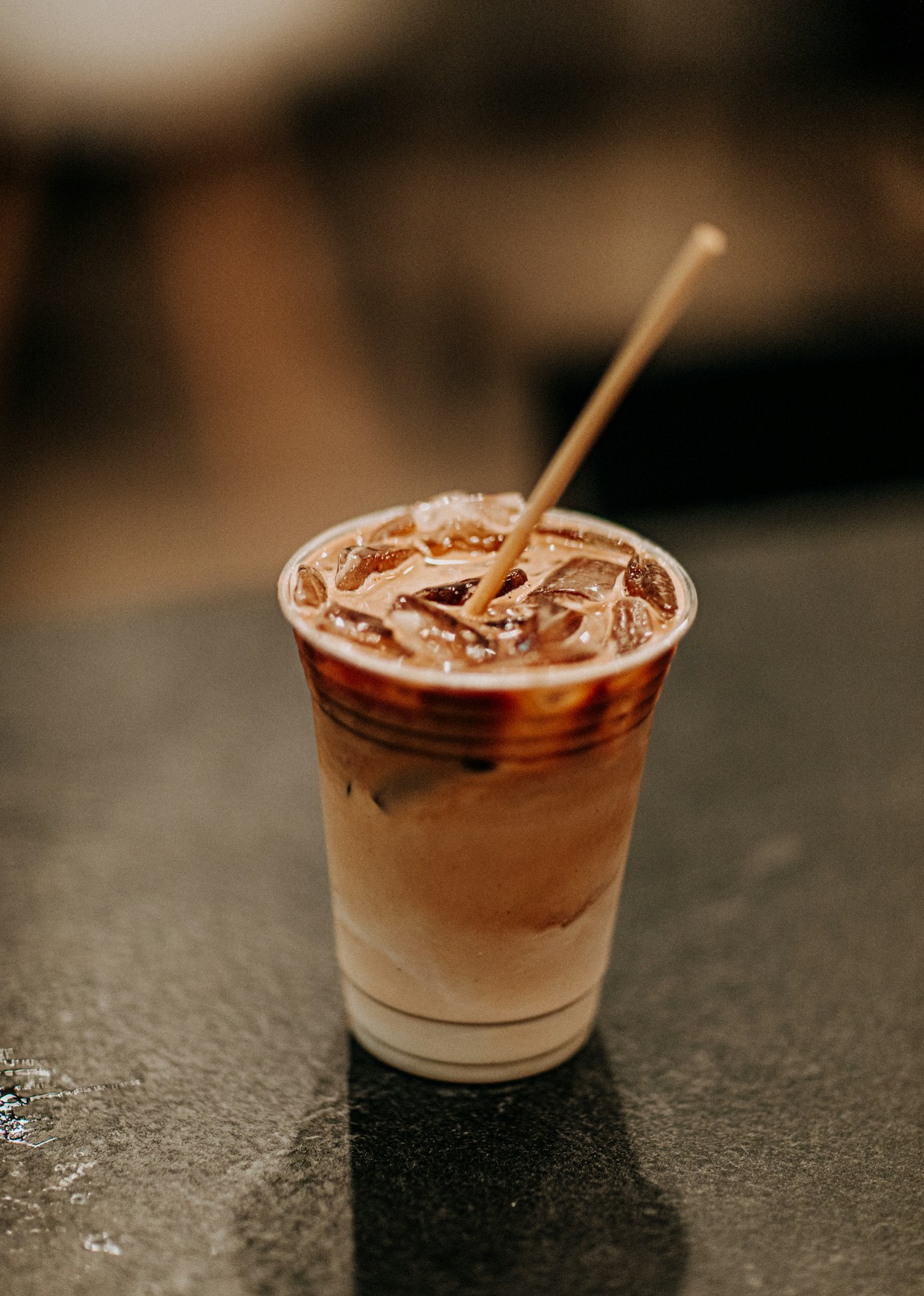
The report also found that 38% had a cold espresso-based beverage in the past week, up 6 points year over year, led by cold lattes (17%) and cold mochas (11%). Past-day penetration for non-espresso specialty beverages held at 17%, with cold brew at 8% and frozen blended coffee at 7%.
Notably, these surveys were conducted in January, suggesting cold drinks have gained traction throughout the year, not only in the warmer months.
Younger Adults, Hispanic Consumers and Coastal Regions Stand Out
Among 18-24-year-olds, overall coffee drinking still trails older groups, yet specialty already leads traditional coffee within that cohort, at 50% to 40% on a past-week basis.
Among Hispanic Americans, specialty reached 67% in the past week, the highest of the ethnic groups broken out in the report.
Among U.S. regions, the Northeast and West led past-week consumption at 64% and 61%, respectively, while the Midwest was lowest at 49%.
Flavor is a Battleground
This year’s report ventures deeper into flavor, additives and competition from other drinks.
Among past-day specialty coffee drinkers, the report says 35% believe flavor is part of what makes a coffee “specialty.” It also found that past-day specialty drinkers were more likely than traditional coffee drinkers to have consumed other flavored or functional beverages, including tea (54%), water with added vitamins or nutrients (35%), flavored water (34%) and coconut water (20%).
In the separate flavor-notes exercise, sweet notes ranked first overall, followed by nutty and fruity. The strongest individual descriptors were chocolate, caramel, brown sugar and vanilla.
Yet specialty drinkers also showed greater openness than traditional coffee drinkers to a wider range of profiles, including select fruity notes such as citrus and orchard fruit, plus more niche spice, floral and green notes such as chai-inspired spices, jasmine and tea-inspired flavors.
Home and Cafe Preparation
Among past-day specialty coffee drinkers, excluding RTD-only respondents, 76% had at least one coffee prepared at home, while 36% had at least one prepared away from home. Cafes, coffee shops and donut shops accounted for 18% of past-day preparation locations.
The most common home preparation method remained the drip coffee maker (32%), followed by single-cup brewers (26%), ready-to-drink coffee (21%), cold brewing (19%) and espresso machines (18%).
“Medium” remained the most commonly consumed roast level at 58%, while 59% of specialty drinkers added a sweetener or syrup and 60% added some kind of whitener.
Comments? Questions? News to share? Contact DCN’s editors here. For all the latest coffee industry news, subscribe to the DCN newsletter.