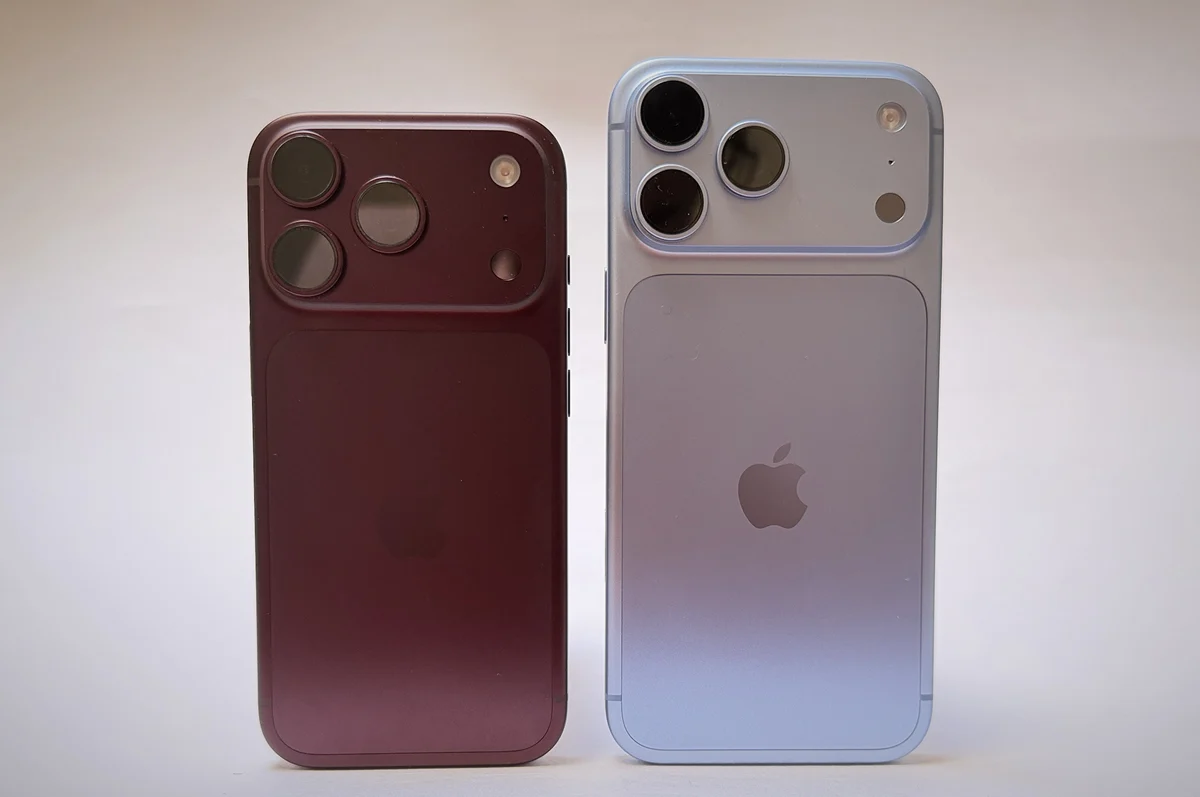
Single-item limits as low as $500 leave flagship devices underinsured, and specified items cover on contents policies may be the better fix

Two of New Zealand’s largest travel insurers have released phone claims data that, set against dispute resolution records and current retail pricing, describes a coverage shortfall with direct implications for brokers.
Southern Cross Travel Insurance (SCTI) paid out nearly $1.92 million across 2,336 phone-related claims between 2024 and early 2026, averaging $822 per claim, according to data reported by Stuff on September 24, 2026. At AA Travel Insurance, one in four luggage claims received since December 2025 has involved a lost, stolen, or damaged mobile phone.
The average AA claimant was 42 years old, with ages running from 21 to 77. That spread matters – phone loss is not limited to younger or budget travellers. It sits across the general insured population.
The sub-limit gap
Standard travel insurance policies have not kept pace with the devices most travellers now carry.
A 2026 review of major NZ insurer policy documents – covering Tower, 1Cover, Cover-More, and SCTI – by NZ insurance comparison platform Quashed found single article limits range from $500 to $2,500 per item across the market.
Those figures sit at or below current retail prices. A client on a basic policy at the lower end of that sub-limit range who suffers a total loss on a current flagship device will recover only a fraction of its replacement cost. Even at the upper end – $2,500 – a premium-tier phone leaves the policyholder out of pocket.
Policyholders wanting cover above standard sub-limits can specify items individually and pay an additional premium. That option exists across most products. It is not consistently raised at point of sale.
Read next: NZ insurers face scrutiny over travel policy exclusion wording
What the dispute record shows
The sub-limit gap has been tested in New Zealand’s dispute resolution system. Financial Services Complaints Ltd (FSCL), a NZ financial services ombudsman scheme, has published a case study in which a travel insurer applied a $2,000 electronics sub-limit to a claim for lost electronic items worth more than $9,000. FSCL upheld the decision, noting that had the electronics sub-limit not applied, a $1,500 per-item general limit would have applied instead.
FSCL also reported a separate travel case involving a cruise passenger whose mobile phone and glasses went missing after she asked fellow travellers to watch her belongings before swimming. The insurer declined the claim on the grounds that the items were left unattended in a public place. FSCL questioned whether a privately operated cruise vessel met that definition. The insurer reversed its position, and the parties settled for $2,600 against an estimated $4,270 loss.
FSCL opened 235 disputes in the second half of 2025, up 41% from 167 in the same period the year before. Disputes involving insurers rose from 23 to 31 over the same window.
How losses happen
Ben Rose of AA Travel Insurance told Stuff the typical phone claim does not begin with a dramatic theft. “You might picture dramatic thefts, but very often it’s just everyday travel moments. Phones get left behind in taxis, airport lounges, restaurants, and hotel rooms,” Rose said.
SCTI’s claims data reflects this. Cases ranged from a bag-snatching in Bali and a phone lost overboard between Colombia and Panama, to a claimant who left a device in a seat pocket on a flight to Dubai, bought a replacement, and then spent days locked out of email because of two-factor authentication barriers – a secondary disruption the policy did not cover.
The volume context
Statistics New Zealand reported in May 2025 that New Zealand residents took 3 million overseas trips in the year ended March 2025 – the first time that figure had been reached since before the pandemic, up from 2.84 million the year prior. More departures mean more devices in transit and a larger pool of potential claims.
What policies do not cover
Two coverage realities are routinely missed at point of sale.
Policies do not cover photographs, data, or other digital content stored on a device. Content not backed up before departure cannot be claimed.
Most policies also require a police report within 24 hours of a theft or loss. Rose acknowledged this is not always possible depending on destination. “The gold standard is a police report. Where that’s not available, we will work with individuals to establish what happened,” Rose said.
Read next: Family travel stress data reveals a claims exposure pattern NZ insurers should be pricing for
The regulatory dimension
The Conduct of Financial Institutions (CoFI) framework came into force on March 31, 2025, requiring licensed insurers to hold a conduct licence and maintain a fair conduct programme. The Financial Markets Authority (FMA) has signalled claims handling is an early supervisory focus.
Rising disputes, exclusion wording being tested at scheme level, and growing claims frequency in a product category where sub-limits are demonstrably behind device values all sit within that conduct frame.
For brokers, the question is not only commercial. Whether clients are being adequately informed about coverage gaps at point of sale is now a conduct question too.
Consumer NZ research lead Rebecca Styles recommended that travellers install the latest security updates before departure and keep critical phone numbers written down separately.
Rose noted the value of checking per-item limits before travel and retaining proof of purchase somewhere accessible without the phone – both conversations brokers are placed to have before a claim makes them necessary.