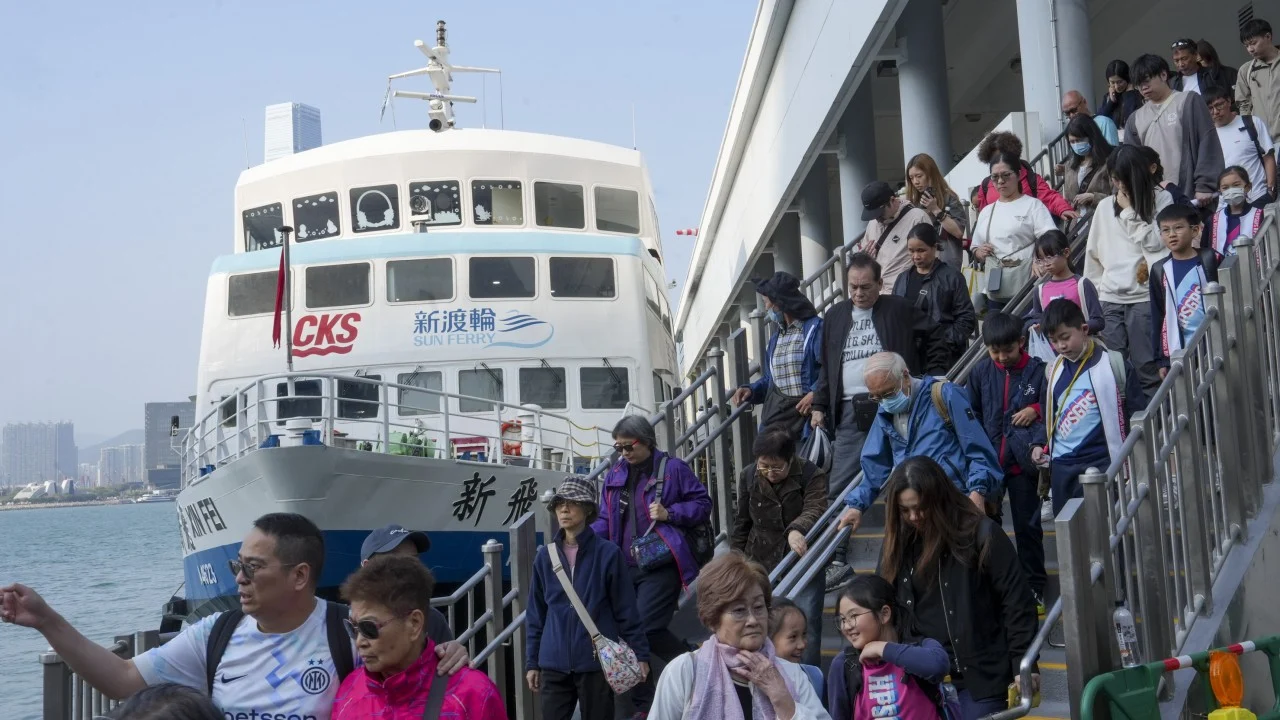
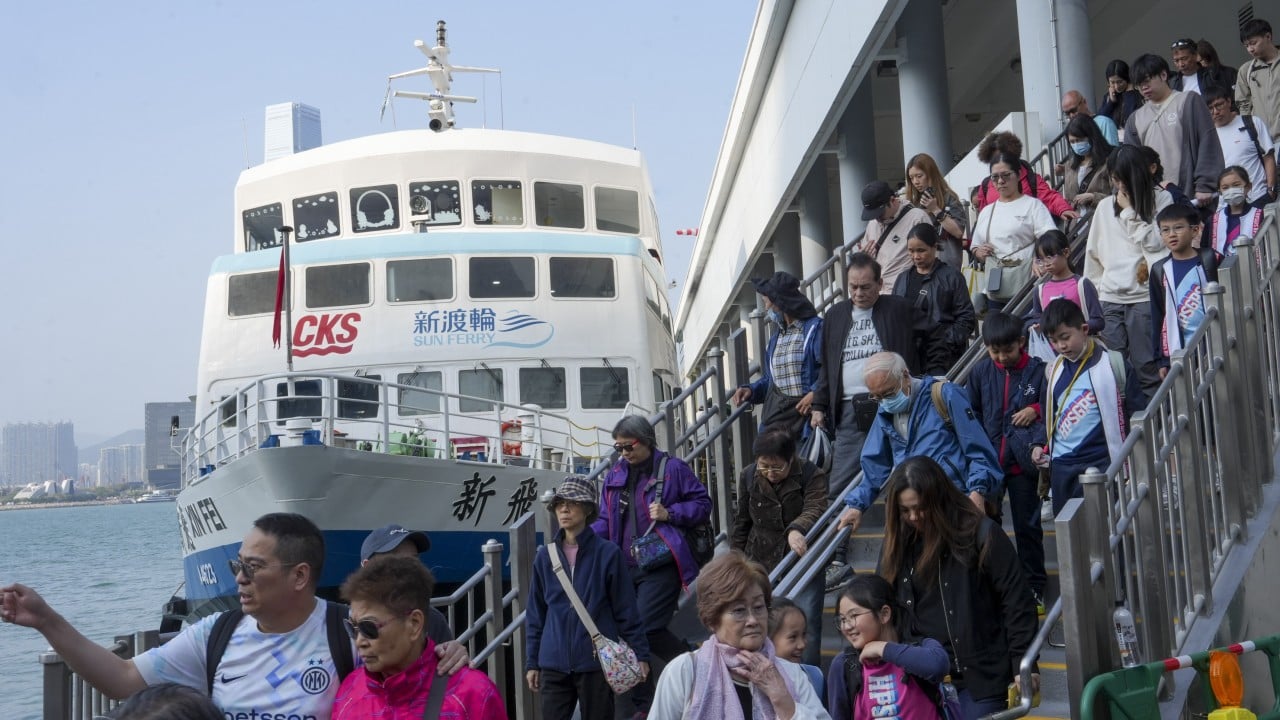
Earlier this week I stumbled on a fascinating piece of research led by geography professor Becky Loo at the University of Hong Kong and soon to be published in the Nature Cities journal.
Fascinating not just because of its scale – an analysis of 200,000 household travel surveys covering Boston, Chicago, London, Sao Paulo and Hong Kong – but because of its focus on daily mobility and social mixing.
Its key finding? That people aged over 66 have more encounters with a broader cross-section of society than younger, working-age people. Not just in Hong Kong, but in all five cities surveyed. “Retirement … may not close doors but open them,” says co-researcher Carlo Ratti from the Massachusetts Institute of Technology’s Senseable City Lab.
For modern families, the working day is remarkably regular, says Ratti: “commute, office, school run, repeat”. Retirement, however, makes “daily trajectories more varied, less predictable and more socially diverse”.
The findings contradict government concerns in most cities about elderly isolation. Or perhaps they are a tribute to the efforts being made in cities like Hong Kong to reduce the mind-numbing loneliness of fast-growing elderly populations.
The stereotype portrays our elderly as entrapped in tiny high-rise apartments. The reality is a growing latticework of community amenities and public meeting places that enable “ageing in place”. Research by the likes of Loo, empowered by electronic devices that track the every move of today’s “homo electronicus”, can map not only buildings but also the complex web of encounters around them.