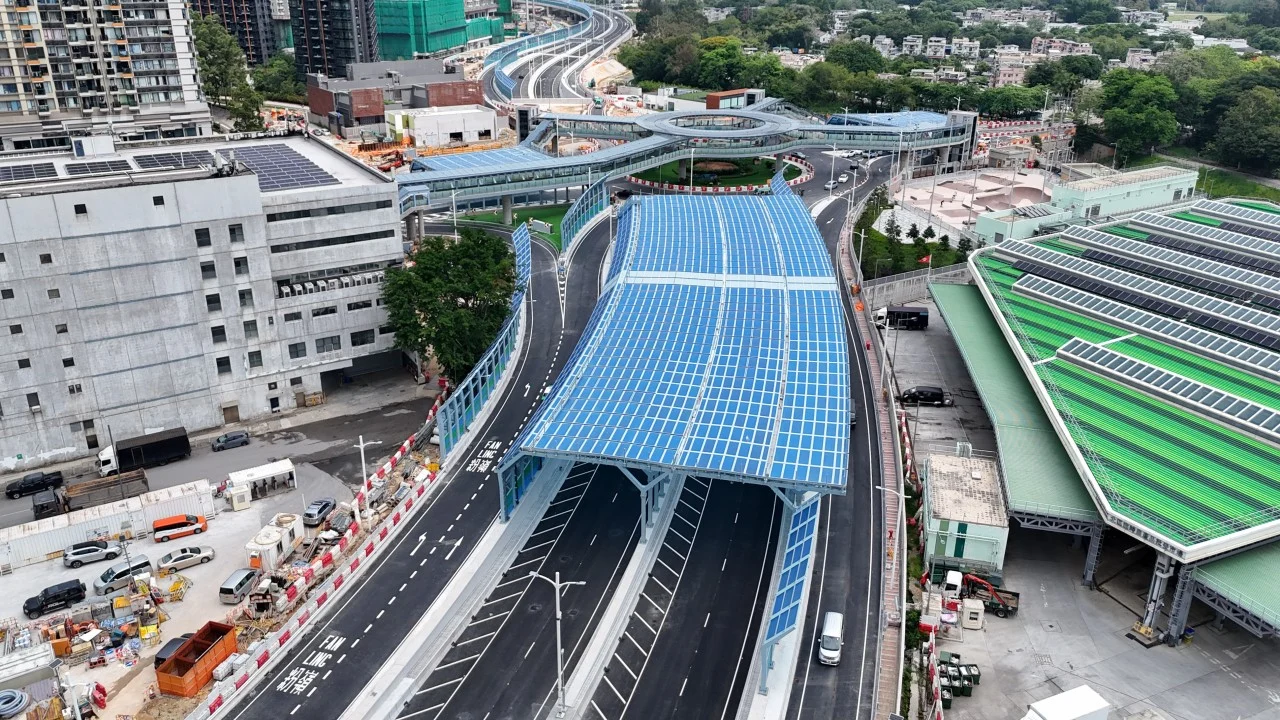
Slowly but surely, Hong Kong is undergoing various scales of transformation. From the mixed-use development around Kai Tak to the
revamped waterfronts on both sides of Victoria Harbour, the new
railway extensions to the vehicular
bypass tunnels below our busy streets, the adaptive reuse of underutilised spaces and the infusion of art and culture into local neighbourhoods, our city is evolving and adapting.
Consider the
East Coast Boardwalk as an example. The space under the Island Eastern Corridor has become a pedestrian harbourfront link between Fortress Hill and Quarry Bay, which runners, cyclists and people from all walks of life can enjoy. Creating a new, welcoming public space from nothing is what “human-centric” design is all about, though it’s difficult to find such opportunities in a well-developed city.
Sometimes, transformations happen on a micro scale and in niche neighbourhoods, but they are not insignificant. Collectively, these incremental improvements bring overall positive impact and growth.
A mega-scale initiative is rather different. Estimated to be a 20-plus-year development covering around 3,000 hectares of land, the
Northern Metropolis is – without a doubt – the largest and most ambitious urbanisation challenge we face since the new town development in the 1970s.
Similar urban expansions have taken place around the world, including how the farmlands east of the Huangpu River were transformed to become Shanghai’s Pudong financial district; or how the fishing villages of Yokohama modernised to become the second largest city in Japan and a major economic hub of the Greater Tokyo Area; or how Brooklyn transcended from its industrial identity and emerged as a hip, artistic and culturally diverse borough that enhanced New York City.
Nowadays, urbanism goes beyond providing basic human settlements, transport networks and amenities. Cities must reinvent themselves amid rapid population growth, technological advancement, lifestyle changes and the demand for better services.
Source link
Visited 3 times, 1 visit(s) today