KEY POINTS
- NTT Docomo signs Starlink Mobile V2 deal with Starlink Japan for satellite-to-smartphone service expansion
- Upgrade targets voice calls, high-speed internet browsing and direct IoT connectivity by fiscal 2028
- Docomo Starlink Direct reaches 6.5 million cumulative users within three months of April 2026 launch
Kevin Stadnyk
NTT Docomo has agreed with Starlink Japan, GK to use next-generation Starlink Mobile V2 satellites to expand its direct-to-smartphone satellite service, with voice calls and high-speed internet access planned by fiscal 2028, the Japanese mobile carrier said on August 14.
The expanded service is also expected to support direct communications with IoT devices. Corporate services are slated to be handled by NTT Docomo Business, formerly NTT Communications.
Docomo launched its current “docomo Starlink Direct” service on April 27, 2026. The service is available free of charge and without application procedures to customers on all pricing plans, including ahamo. Cumulative users reached 6.5 million in the first three months after launch.
At present, the service supports sending and receiving text messages and use of some applications. Data communications are available on supported devices and supported apps, while voice calls are not currently available. The service can be used in Japan in outdoor locations without obstructions, except when users are within Docomo’s 4G or 5G coverage areas or connected to Wi-Fi.
Docomo said the agreement with Starlink Japan would broaden communication and information access options by adding voice and browsing functions to the current service. It also said IoT support could expand uses such as data collection and remote monitoring in places where communications infrastructure is harder to secure, including mountainous areas, remote islands and at sea.
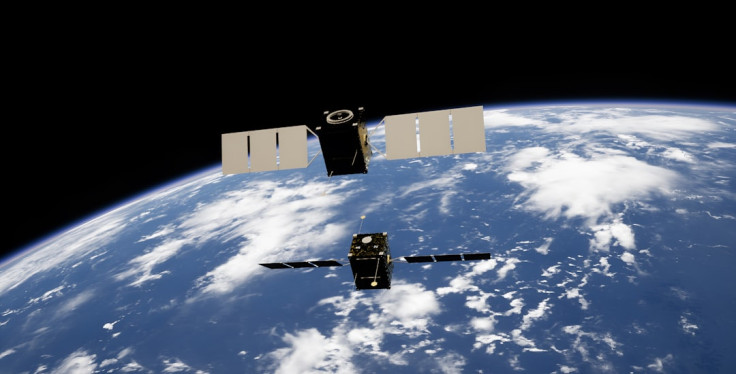
Starlink Mobile operates on a constellation of 650 low-earth-orbit satellites. The satellites work with existing LTE-compatible mobile phones in places with a clear view of the sky, according to the release.
Direct-to-cell satellite services have been drawing interest from telecom operators as a way to extend coverage to disaster zones, rural areas and other hard-to-reach locations without relying solely on terrestrial base stations. In Japan, major mobile carriers have been seeking broader network resilience as the country faces frequent earthquakes, typhoons and other natural disasters.