Published on
July 10, 2026

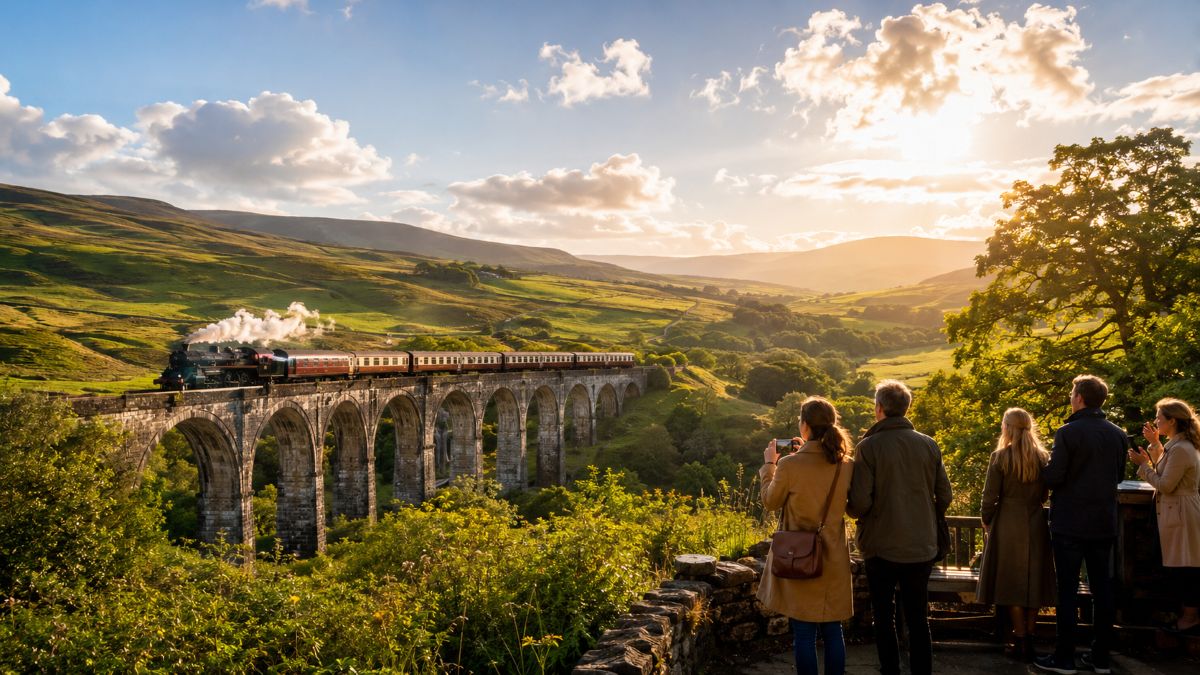
Image generated with Ai
The 150th anniversary of passenger services on the iconic Settle–Carlisle Railway has become more than a celebration of Britain’s railway history. It has evolved into a renewed commitment to preserving one of the country’s most celebrated rail corridors while reinforcing Carlisle’s position as a gateway for domestic and international travelers exploring Northern England and Southern Scotland. The milestone also highlights growing ambitions to strengthen regional rail connectivity through future projects such as the proposed Borders Railway extension, creating fresh opportunities for tourism, sustainable mobility, and local economic growth.
Speaking during a Westminster Hall debate commemorating the railway’s historic anniversary, Carlisle MP Julie Minns emphasized the railway’s enduring influence on the city’s identity, economy, and generations of railway families. Her remarks reflected not only the cultural importance of the Settle–Carlisle line but also its expanding role within Britain’s evolving transport strategy. For travelers, the anniversary shines a spotlight on one of Europe’s most scenic rail experiences while showcasing Carlisle as a strategic destination connecting England, Scotland, Wales and Ireland through integrated transport networks and heritage tourism.
Settle–Carlisle Railway Marks 150 Years of Passenger Service
| Key Information | Details |
|---|---|
| Anniversary | 150 Years of Passenger Services |
| Railway | Settle–Carlisle Railway |
| Primary City | Carlisle |
| Parliamentary Recognition | Westminster Hall Debate |
| Key Focus | Heritage preservation, tourism, connectivity |
| Future Vision | Borders Railway extension to Carlisle |
The Settle–Carlisle Railway remains one of the United Kingdom’s most admired railway routes. Opened to passengers 150 years ago, it continues to attract visitors from across Britain and around the world.
The railway traverses spectacular landscapes including the Yorkshire Dales National Park, the Eden Valley and the internationally recognized Ribblehead Viaduct, making it one of Europe’s most photographed rail journeys.
For Carlisle, however, the railway represents much more than scenic travel. It has historically shaped employment, commerce, industry and community identity for generations.
Carlisle Reinforces Its Railway Heritage
Carlisle has long been recognized as one of Britain’s great railway cities.
Advertisement
Advertisement
The city’s railway infrastructure has supported freight movement, passenger transportation and regional economic development throughout the Industrial Revolution and well into the modern era.
Many local families have multi-generational railway connections, reflecting the industry’s lasting contribution to the region.
Julie Minns highlighted her own family’s railway heritage during the parliamentary debate, illustrating how deeply rail transport remains woven into Carlisle’s social fabric.
This historical connection continues to influence local support for railway investment and heritage conservation.
Heritage Rail Tourism Continues to Drive Visitor Interest
| Tourism Attraction | Visitor Appeal |
|---|---|
| Ribblehead Viaduct | Historic engineering landmark |
| Yorkshire Dales | Scenic landscapes |
| Eden Valley | Rural tourism |
| Carlisle Station | Historic gateway |
| Settle–Carlisle Route | World-famous rail journey |
Rail tourism has become one of Britain’s fastest-growing heritage travel sectors.
The Settle–Carlisle Railway consistently ranks among the country’s premier scenic rail experiences, attracting photographers, railway enthusiasts, international visitors and leisure travelers seeking immersive countryside journeys.
Advertisement
Advertisement
Its combination of Victorian engineering, protected natural landscapes and authentic railway operations creates a unique travel product that supports local hospitality businesses, accommodation providers, restaurants and visitor attractions throughout Cumbria and North Yorkshire.
The anniversary further enhances the railway’s international profile within the heritage tourism market.
Ribblehead Viaduct Remains the Route’s Most Recognized Landmark
Among the railway’s engineering achievements, Ribblehead Viaduct continues to stand as its defining symbol.
Constructed using thousands of tons of stone and featuring its iconic arches stretching across the Yorkshire landscape, the viaduct remains one of Britain’s greatest examples of Victorian railway engineering.
Travelers frequently identify the crossing as the highlight of the Settle–Carlisle journey, contributing significantly to destination marketing efforts throughout Northern England.
Its enduring appeal reinforces the railway’s global tourism reputation.
Advertisement
Advertisement
Community Campaign Saved an Iconic Railway
| Historic Event | Outcome |
|---|---|
| Proposed closure during the 1980s | Strong community opposition |
| Local campaigns | Railway preserved |
| Government review | Passenger services retained |
| Present Day | Successful heritage and tourism railway |
One of the defining chapters in the railway’s history occurred during the 1980s when closure proposals threatened passenger operations.
Communities across Cumbria and Yorkshire united alongside businesses, campaigners and railway supporters to protect the route.
Their successful campaign preserved one of Britain’s greatest railway assets.
Today, the railway serves as a leading example of how public advocacy can safeguard nationally important transport infrastructure while supporting sustainable tourism and regional economies.
Future Rail Investment Could Expand Regional Connectivity
Attention is increasingly turning toward the proposed Borders Railway extension from Tweedbank to Carlisle.
Supporters believe extending the railway would strengthen travel links between England and Scotland while delivering wider economic and tourism benefits.
Advertisement
Advertisement
The existing Borders Railway has already demonstrated how restored rail services can stimulate local economies, encourage sustainable travel and increase visitor numbers.
If extended, the line could create additional opportunities for cross-border tourism itineraries connecting Edinburgh, the Scottish Borders and Carlisle with the Settle–Carlisle Railway.
Such integration would strengthen northern Britain’s rail tourism offering.
Sustainable Rail Travel Gains Greater Importance
Railways continue to play an essential role in supporting environmentally responsible tourism.
As travelers increasingly seek lower-carbon transport options, scenic railway journeys offer an attractive alternative to private vehicle travel.
The Settle–Carlisle Railway exemplifies sustainable tourism by encouraging visitors to explore rural destinations while minimizing environmental impacts.
Advertisement
Advertisement
Future investment in regional rail infrastructure aligns with broader efforts to reduce transport emissions and improve accessibility across the United Kingdom.
Carlisle’s Position as a Strategic Travel Gateway
Carlisle occupies a unique geographical position between England and Scotland.
Its railway connections provide access to major cities while linking visitors to national parks, historic towns and heritage attractions.
Continued investment in Carlisle Station and regional rail services has the potential to strengthen the city’s role as a transportation hub serving both domestic and international tourism markets.
Combined with heritage rail experiences and proposed network expansion, Carlisle is well positioned to benefit from growing demand for sustainable rail holidays.
The 150-Year Celebration Signals Confidence for Britain’s Railway Future
The anniversary commemorates far more than a historic railway.
Advertisement
Advertisement
It celebrates community resilience, engineering excellence, regional identity and the enduring value of rail travel.
The Settle–Carlisle Railway continues to inspire new generations of travelers while supporting local economies and preserving one of Britain’s most treasured transport corridors.
As discussions continue regarding future rail investment, Carlisle’s railway heritage provides a powerful reminder that historic infrastructure can remain central to modern tourism, sustainable mobility and regional development.
FAQs
1. Why is the Settle–Carlisle Railway celebrating its 150th anniversary?
It marks 150 years since passenger services first began operating on the historic railway.
2. Why is the Settle–Carlisle Railway famous?
It is renowned for its spectacular scenery, Victorian engineering and the iconic Ribblehead Viaduct.
3. Where does the Settle–Carlisle Railway run?
The railway connects Settle in North Yorkshire with Carlisle in Cumbria.
Advertisement
Advertisement
4. Why is Carlisle known as a railway city?
Carlisle has historically served as a major railway hub supporting passenger travel, freight and railway employment.
5. What is the significance of Ribblehead Viaduct?
It is one of Britain’s greatest Victorian engineering landmarks and a major attraction along the route.
6. What is the Borders Railway extension proposal?
The proposal aims to extend the railway from Tweedbank in Scotland to Carlisle, improving cross-border connectivity.
7. How does the railway support tourism?
It attracts visitors through scenic journeys, heritage experiences and access to national parks and historic destinations.
8. Why was the railway almost closed?
Closure proposals in the 1980s were successfully challenged by local communities and campaigners.
9. How does rail travel contribute to sustainable tourism?
Rail transport reduces reliance on private vehicles and supports lower-carbon travel across regional destinations.
10. What opportunities could future railway investment create?
Expanded rail connectivity could boost tourism, strengthen regional economies and improve travel between England and Scotland.
Advertisement
Advertisement

