Nestlé delivered steady results in the first quarter, with an organic growth of around 3.5%. The FMCG giant’s reported sales were approximately CHF 21.3 billion (US$27.1 billion), a decrease of 5.7% year-on-year. Growth was driven by improving volumes across key categories, with Coffee and Snacks providing the strongest momentum.
While nutrition was weighed down by a temporary infant formula recall at the start of 2026, underlying demand trends remained resilient, allowing the group to maintain its full-year outlook, despite continued geopolitical uncertainty affecting major trading routes, notably the Strait of Hormuz crisis.
Coffee top contributor to organic growth
Nestlé reaffirms coffee as a core global growth pillar, having also highlighted it as a powerhouse category in its full-year results for 2025.
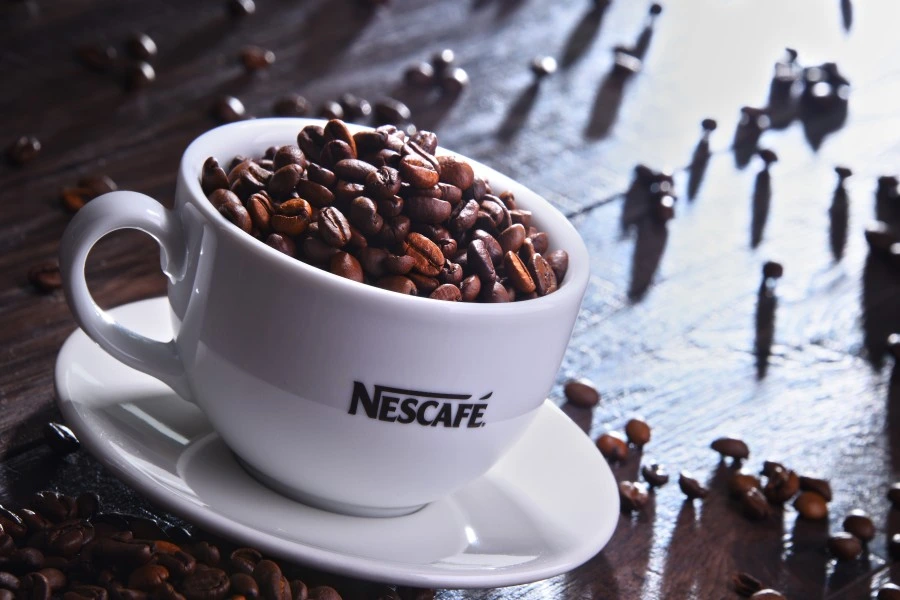
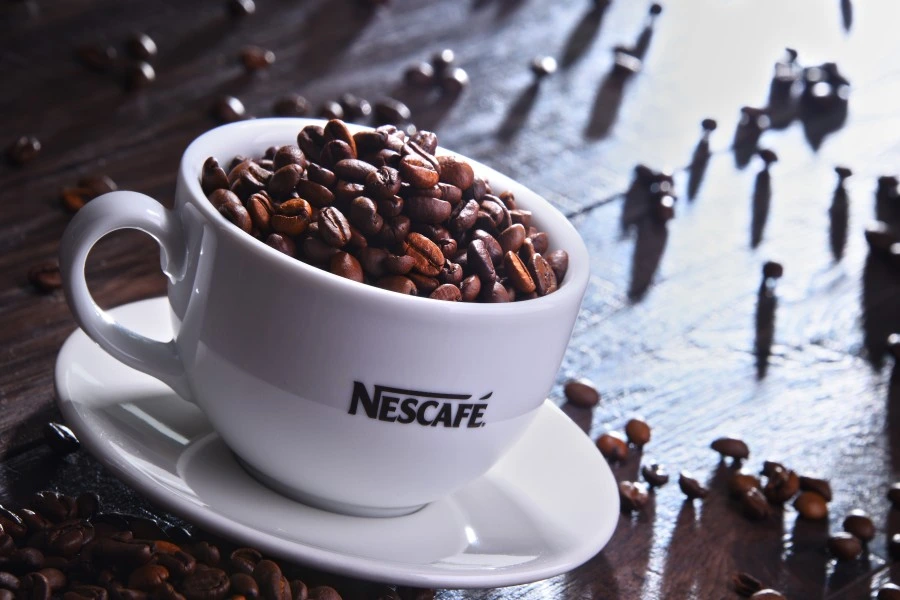
Coffee was the standout contributor to Nestlé’s Q1 2026 performance, delivering organic growth of around 9.3%. Coffee grew across different regions, supported by strong performance from key brands.
Nescafé delivered a solid performance, driven by both pricing and volume growth, reflecting continued demand across major markets. Nespresso also contributed to category growth, supported by positive momentum in North America and improving consumer engagement in Europe.
 Coffee led the pack once more, powered by sustained consumer appetite and solid momentum across its core brands in multiple markets.Nespresso’s growth was led by Vertuo and limited editions, with continued market share gains in North America, while a new global brand partnership with musician Dua Lipa significantly boosted visibility and engagement.
Overall, coffee continued to be the group’s strongest-performing category in the quarter, underpinned by a balance of pricing and volume growth across both mass-market and premium segments.
In the Q1 results, the company also confirmed that it is set to offload specialty café and premium retail brand Blue Bottle Coffee, having reached an agreement with Centurium Capital, a private equity firm that is the largest shareholder of Chinese coffee chain Luckin Coffee.
Nescafé reshapes portfolio with water and vitamins
Nescafé is also reshaping its portfolio by exploring partnerships for its water business and seeking buyers for its vitamins unit.
Nestlé Waters & Premium Beverages grew steadily, led by North America and strong demand for international premium brands, such as Maison Perrier and Sanpellegrino, supported by successful innovation and retail momentum, despite supply constraints for Perrier. The business is also progressing with plans to partially divest and is engaging potential partners.
Petcare delivered steady growth, led by continued strength in wet cat food, while dry dog food growth slowed, partly offsetting overall performance.
Philipp Navratil, Nestlé CEO, says: “Our first-quarter performance demonstrates that our RIG-led growth strategy is delivering. Results were strong across most zones and categories, particularly in Coffee and Food & Snacks. Growth in emerging markets stood out.”
“In Europe and the US, our performance was robust as our teams successfully navigated the customer and consumer environments. Building on the momentum in the first quarter, we continue to execute our strategy to deliver a stronger Nestlé.”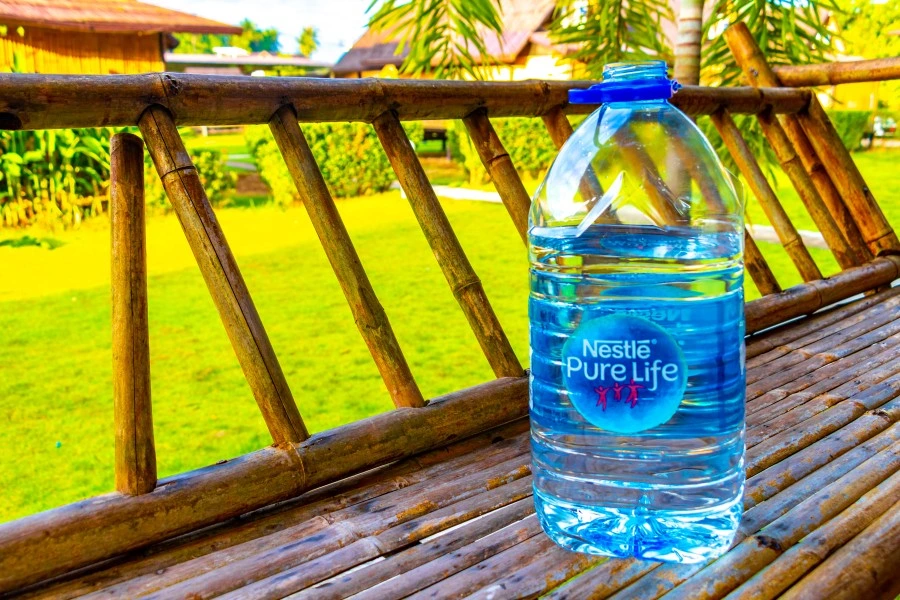 Nestlé’s water business delivered steady growth, supported by strong demand for premium international brands and continued momentum in key markets.
Confectionery contributes to performance
Confectionery was the key growth driver within Nestlé’s Food & Snacks division in Q1 2026, primarily driven by strong performance from core chocolate brands, particularly KitKat, alongside improving momentum in key markets, such as Brazil and the US.
Overall, confectionery played a leading role in the recovery of Food & Snacks, helping offset continued softness in parts of the frozen foods business in the US, where category conditions remained weaker.
Infant formula recall impacts
In January 2026, Nestlé launched a global precautionary recall of batches of infant formula after the presence of cereulide was detected.
The Q1 recall temporarily reduced growth by about 90 bps due to returns, shortages, and weaker demand, but Nestlé says availability has normalized and a full recovery is expected by year-end.
After a strong Q1, Nestlé is maintaining its 2026 outlook despite rising uncertainty, expecting around 3-4% growth with volume-led improvement over 2025.
The company addresses the Middle East conflict, where the region accounts for around 3% of sales. Operations continue, with a focus on employee safety and maintaining product supply, while broader impacts remain uncertain.
In October 2025, Nestlé announced plans to cut 16,000 jobs as part of a CHF 3 billion (US$3.76 billion) savings plan by 2027.