Mercedes technical director James Allison believes that car reliability could be even more important than upgrades in determining the outcome of Formula 1’s title battles over the rest of the 2026 season.
F1 returns from its four-week summer break this weekend at the Dutch Grand Prix, the first of a scheduled 12 races left this season.
Mercedes lead both world championship races with Kimi Antonelli 50 points clear in the drivers’, and the team 72 points ahead in the constructors’ standings.
But their advantages in both would have been greater but for reliability problems with its W17 car and power unit in the first year of the sport’s revised technical regulations. Allison said “reducing the self-inflicted wounds” was the key area of focus for the team given the damage more DNFs could do to their prospects.
“Everyone naturally focuses on upgrades because they’re visible and they’re exciting, but reliability may end up having a much bigger impact on the championship,” Allison told Mercedes’ Nu Silver Arrows Radio Show.
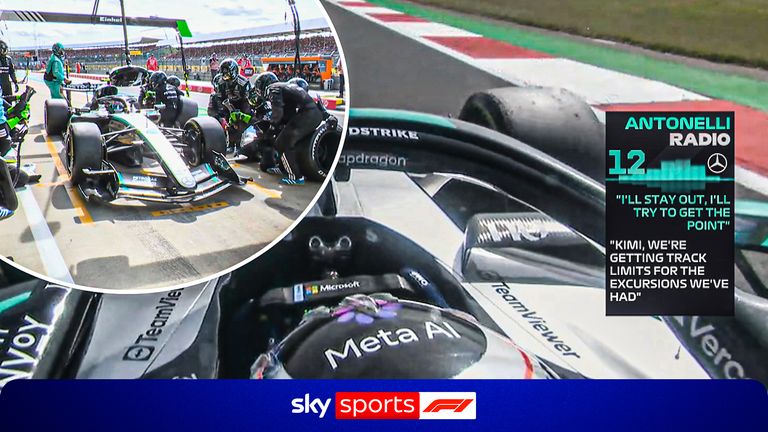
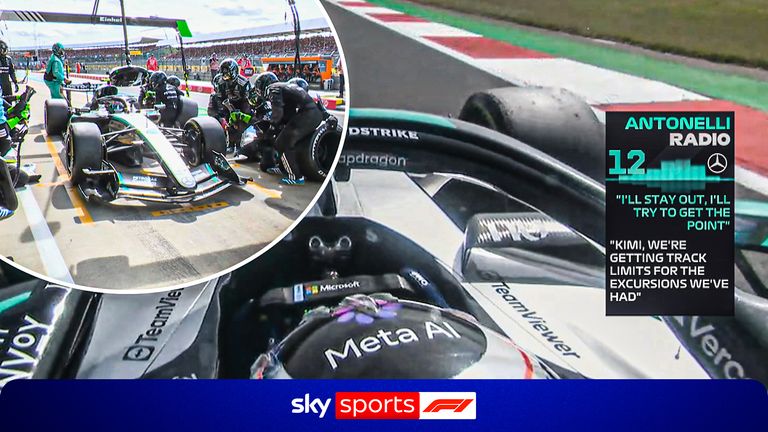
Kimi Antonelli suffers damage during the British Grand Prix and is eventually forced to retire.
“A successful upgrade programme might gain you 10, 15 or perhaps 20 points over the course of a season, depending on the circumstances.
“A single retirement can cost you that amount in one afternoon. So while we’re committed to continuing development, our biggest focus going into the second half of the season is reducing the self-inflicted wounds that have cost us points in the opening races.
“We’ve had reliability issues and operational setbacks that simply shouldn’t happen, and addressing those areas is arguably more important than the next upgrade package.
“If we can continue to improve the car while also delivering clean execution and reliability, then we’ll put ourselves in the strongest possible position for the championship run-in.”
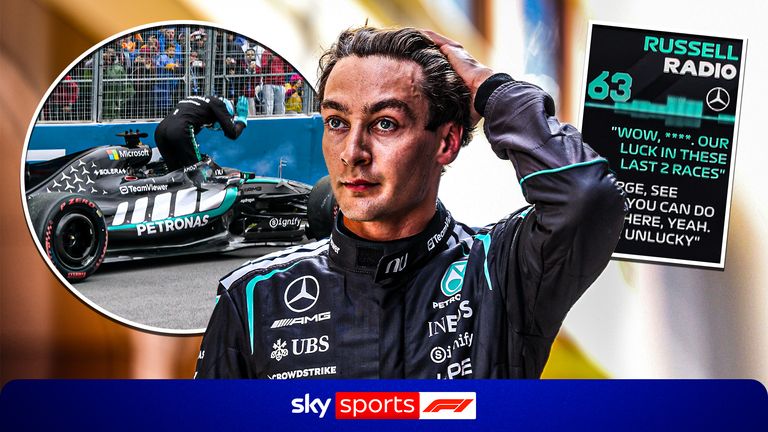
Watch George Russell’s unlucky moments so far this 2026 Formula 1 season.
‘Meaningful performance still to come’ – Mercedes out to avoid ‘very uncomfortable’ end to 2026
However, the championship leaders have promised they have more car upgrades to come too in a first year of a ruleset in which “the gain rate we’re seeing in the wind tunnel is roughly six or seven times greater than it was last season”, according to Allison.
The technical chief says Mercedes are therefore readying more development parts to bring to the track as they bid to hit back against the performance gains made by Ferrari, McLaren and Red Bull before the break.
“We made a conscious decision before the season to push the first car harder than we’ve ever pushed one before,” said Allison.
“We left things later than usual and effectively built a programme with almost no contingency. The upside was that we were able to capture as much of that steep development curve as possible before the first race, which is why the car arrived with such a strong level of performance.
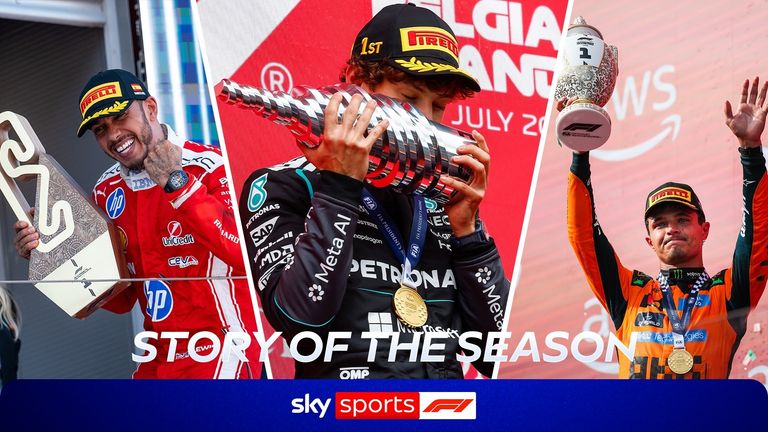
With the Formula 1 season set to resume after the summer break, we look back at how Mercedes driver Kimi Antonelli has built a 50-point lead in the driver standings.
“The downside is that we essentially spent all of that performance upfront. Other teams finalised their cars earlier and were therefore able to begin developing upgrades earlier.
“We’re now slightly out of phase with some of our competitors. They have been introducing upgrades while we’ve been rebuilding our development pipeline. What we’re seeing is that everyone is making gains at a broadly similar rate. That means the competitive picture can change very quickly.
“Our objective is simply to keep our nose in front and ensure that the next wave of upgrades restores the advantage we built at the start of the season. In the meantime, we just have to ride out those moments when other teams arrive with significant new developments.”
Don’t miss the F1 season restart, which kicks off on 21st August with the Dutch Grand Prix.
Allison said balancing ongoing current development with work on next year’s car was a particularly delicate balancing act this season.
“The difficulty is that development rates are still exceptionally high,” he added.
“If you stop too early and your competitors continue finding performance, the final part of the season can become very uncomfortable. Our job is to judge that moment correctly
“We need to continue bringing performance to the track at a rate that allows us to stay ahead of the development race while also making sensible decisions about how much resource we commit to the future.
“I feel optimistic about our position because I know what we’ve already seen in the wind tunnel and I know what is still making its way through the development pipeline.
“There is meaningful performance still to come.”
Wolff: Mercedes out of step with upgrades compared to rivals
In Mercedes’ official preview for the Zandvoort event, team principal Toto Wolff offered a similar sentiment to Allison.
“We have left points on the table, our rivals have reduced the performance gap, and we know the second half of the year will demand more from us than the first,” Wolff said.
“The championships will be decided by execution and the rate of development we can bring to the car across the next 12 races.
“Whilst we are slightly out of step with upgrades compared to our rivals, we have more performance to unlock and a clear development plan to do so.”
Don’t miss the F1 season restart, which kicks off on 21st August with the Dutch Grand Prix.
Lewis Hamilton finished second for Mercedes when the Dutch Grand Prix first returned to the F1 calendar in 2021, but the Silver Arrows have failed to improve on that result since.
The circuit, which drops off the schedule next year, has in fact been one of their worst in recent times, with no podiums coming and at least one car having failed to make it through to Q3 in each of the last the three years.
Wolff added: “Zandvoort has been a unique challenge since its return. It is a difficult track to master, the fans create an incredible atmosphere, and it has become a race that the teams and drivers look forward to.
“We have come close but never won there in the modern era. This is our final opportunity to change that, and that’s a challenge we would like to meet.”
The Formula 1 season resumes after the summer break with a Sprint weekend at the Dutch Grand Prix from Friday, with every session live on Sky Sports. Stream Sky Sports with NOW – no contract, cancel anytime
