Pezeshkian backs China
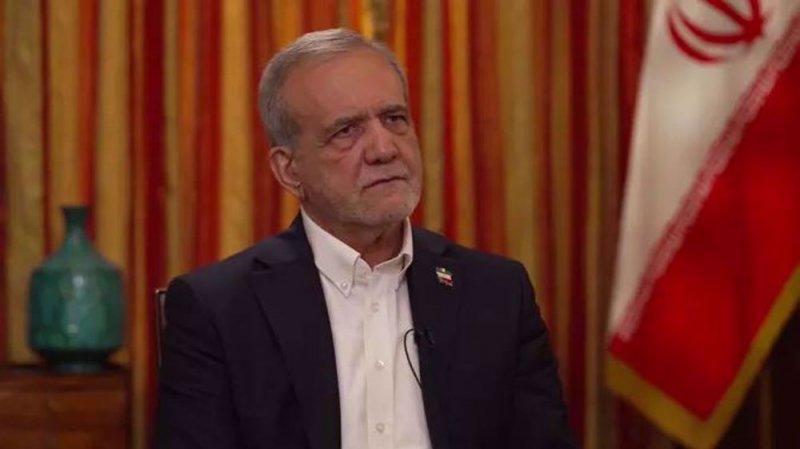
Iranian President Masoud Pezeshkian welcomed China’s support for a return to the Islamabad Memorandum of Understanding and called on the US to honour its commitments under the agreement. Pezeshkian wrote on X that he “appreciate[s] President Xi Jinping’s thoughtful and responsible support for a return to the Islamabad Memorandum of Understanding and for resolving differences through dialogue and diplomacy,” and he linked the message to “serious, substantive and results-oriented negotiations.” Pezeshkian also said Tehran and Beijing share an emphasis on “national sovereignty, de-escalation, and regional peace and stability,” as the diplomatic track remained tied to the June framework.
China’s role entered the discussion after Xi Jinping urged the United States and Iran to return to the Islamabad Memorandum, with the proposal coming during Xi’s conversations with Donald Trump at the White House. The sources also tied the renewed push to the June signing of the Islamabad MoU and to the idea of restarting contacts within the framework rather than announcing a new round of talks immediately.
US-Iran talks and Hormuz
Chinese President Xi Jinping urged Washington and Tehran to return to the Islamabad Memorandum of Understanding with the aim of ending the war and opening the Hormuz Strait, and the call came during Xi’s talks with U.S. President Donald Trump at the White House.
The sources described the Islamabad MoU as a 60-day roadmap toward a final agreement, with mutual commitments to halt military operations and lift the U.S. maritime blockade while ensuring safe passage of trade through the Hormuz Strait.

Iranian Foreign Minister Abbas Araghchi told reporters in New York that Iran had conveyed a seven-day plan through Qatar for ending the war on all fronts, including Lebanon, and reopening the Strait of Hormuz.
Araghchi added that the proposal would take effect once Washington accepted Iran’s conditions and that Iran would not accept “coercion, threats, or intimidation.”
The sources also said Tehran and Washington were exploring a gradual path out of the war that would reopen the Hormuz Strait in tandem with easing U.S. economic sanctions on Iran, while the talks faced a hurdle because “neither side wants to be the first to concede ground.”
Commitments, reciprocity, and next steps
Iranian President Masoud Pezeshkian said Tehran agrees on the need to return to the Islamabad understanding and fulfill the commitments contained therein, framing the move as a way to reduce escalation and open the way for the resumption of the diplomatic track between Iran and the United States. The sources said Pakistani Prime Minister Shehbaz Sharif told reporters after meeting Pezeshkian in New York that the Iranian president confirmed the Islamabad memorandum of understanding was still “fully acceptable” to Tehran and that it was ready to move forward with its implementation. The sources also described the memorandum as stipulating a cessation of military operations and paving the way for broader negotiations on outstanding issues between Tehran and Washington, including arrangements related to navigation in the Strait of Hormuz and other economic and political matters.
“The main limit is that the framework continues to exist without having produced the final agreement planned.”
A separate account said Xi’s intervention could strengthen the diplomatic path but required coincident decisions by the United States and Iran to become effective negotiation, with the next verifiable data point being whether Washington and Tehran agree to reactivate the technical contacts envisaged in the Islamabad framework. The sources further stated that the framework continued to exist without producing the final agreement planned, and they tied the stalled progress to disputes over sanctions, regional security, and the Strait of Hormuz persisting after Pakistan acknowledged difficulties in implementation in July.