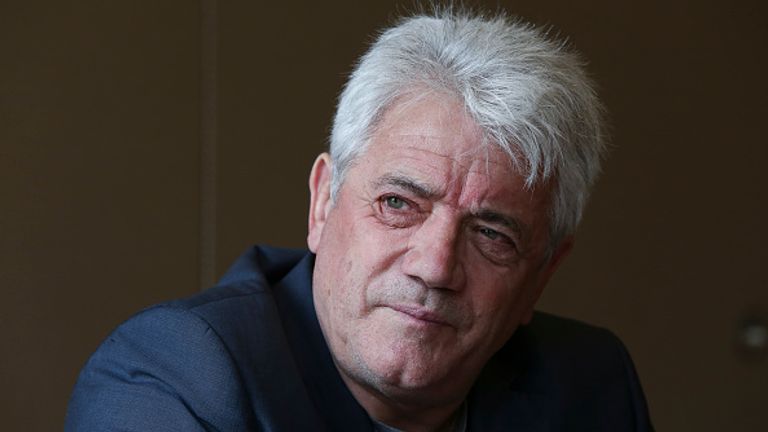
Kevin Keegan has died at the age of 75.
It was announced in January that the former England player and manager had been diagnosed with stage four cancer, with his family revealing he was set to begin treatment.
“It is with immense sadness that we announce that Kevin Keegan has passed away at the age of 75,” a statement from Keegan’s family read.
“The former England player and manager had been battling cancer and was surrounded by his wife and daughters in his final moments.
“Kevin, a double Ballon D’or winner, was a much loved husband, father and grandfather. The family would like to thank Kevin’s incredible medical team for all their support. This is a hugely difficult time and they are requesting space and privacy.”
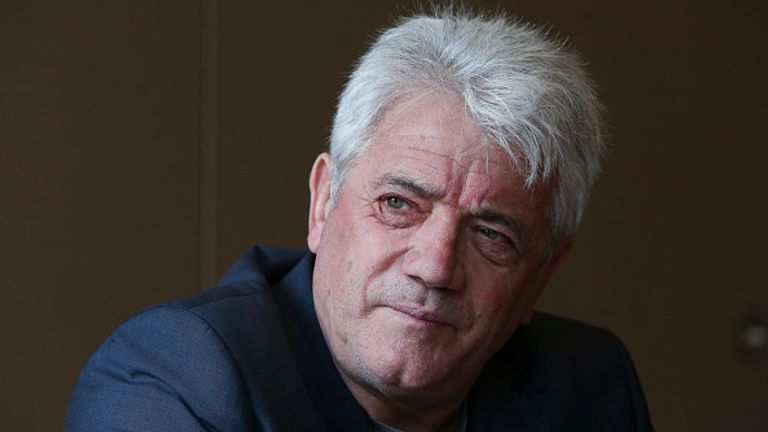
It was announced in January Kevin Keegan had been diagnosed with stage four cancer
Keegan was considered one of the best players of his generation and enjoyed a stellar playing career, making almost 750 club appearances, lifting the First Division trophy three times with Liverpool and winning the Ballon d’Or back-to-back in 1978 and 1979 while playing for Hamburg in the Bundesliga.
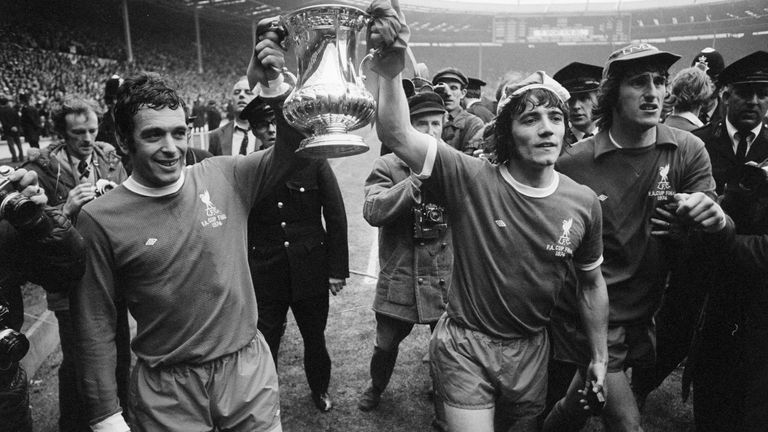
Liverpool’s Ian Callaghan, Kevin Keegan and Ray Clemence parade the FA Cup
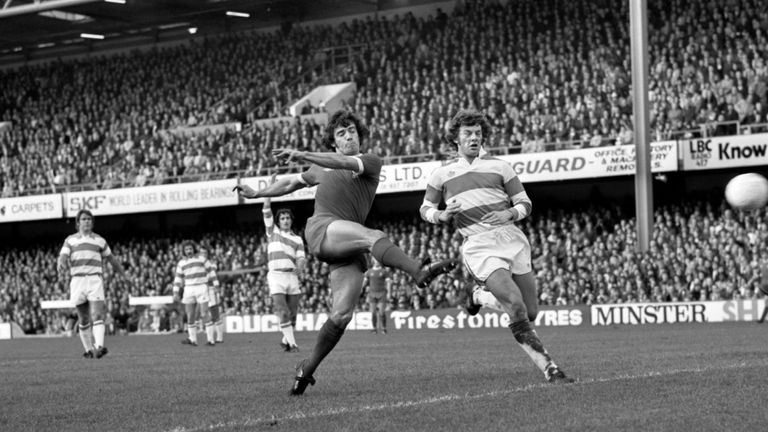
Liverpool striker Kevin Keegan during a match with QPR
Seven years after his retirement, he took his first coaching role as manager of a struggling Newcastle team in February 1992. The Magpies were in danger of being relegated to Division Two but Keegan kept them up and then led them to the Premier League in his first full season in charge. Then, in 1996, he took Newcastle to within touching distance of their first top-tier title since 1927.
Newcastle were Premier League title favourites for most of that 1995/96 season, at one stage being 12 points clear of Manchester United. But a dramatic collapse from Keegan’s side coupled with a Sir Alex Ferguson-inspired Man Utd winning 13 of their last 15, eventually saw Newcastle finish second by four points.
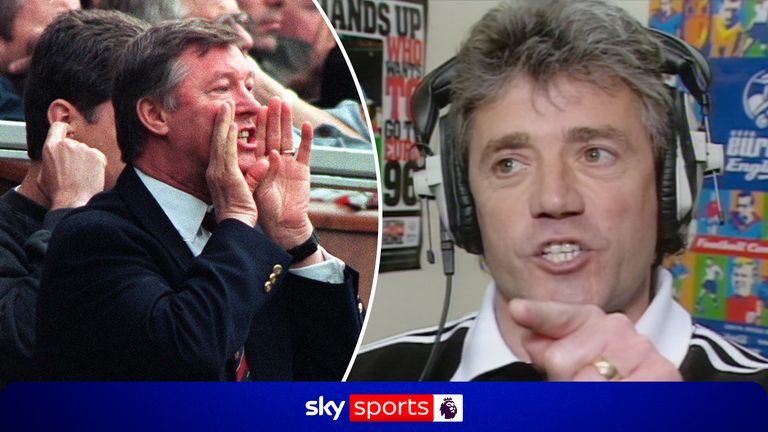
A look back at Kevin Keegan’s iconic rant aimed at Sir Alex Ferguson in the midst of the title race between Newcastle and Manchester United
Late defeats at the hands of Liverpool and Nottingham Forest in the run-in saw United eventually haul them in. As the pressure mounted on a beleaguered Keegan, who was desperate to deliver the title to a passionate Newcastle fanbase, his infamous “I’d love it..” post-match interview after victory at Leeds, aimed at Sir Alex, among others, unfortunately characterised his time at St James’ Park.
He would go on to manage England, for whom he had scored 21 goals in 63 games as a player, between February 1999 and October 2000 – resigning minutes after a 1-0 defeat to Germany in the last game played at the old Wembley Stadium.
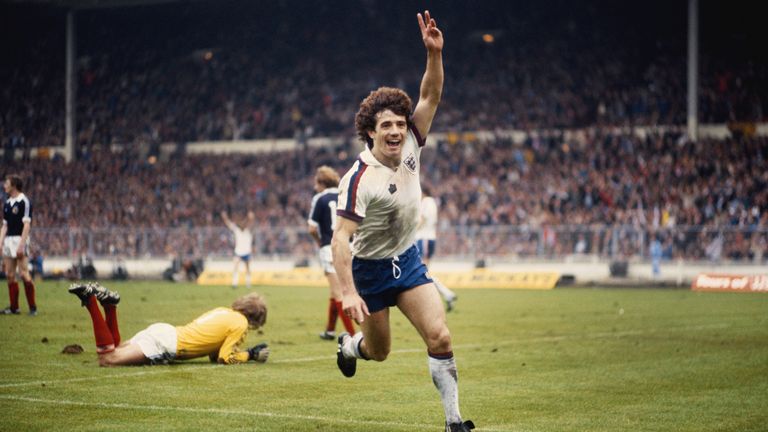
Kevin Keegan celebrates scoring against Scotland at Wembley in 1979
His time as national boss also saw England fail to get out of the group stage at Euro 2000, despite a 1-0 win over Germany, as defeats by Portugal and Romania piled on the pressure even before that defeat at the hands of Dietmar Hamann’s free-kick four months later in the first qualifier for the 2002 World Cup.
A spell at Manchester City followed, which included promotion to the Premier League in 2002 as Division One champions, but Keegan left the club in March 2005, initially announcing his retirement from football.
Keegan made an emotional return to Newcastle in 2008, but only lasted eight months following tensions with the board and owner Mike Ashley.
Newcastle’s statement in full on Keegan’s passing
“We are devastated to learn of the passing of Kevin Keegan, one of the most iconic, influential and deeply-loved figures in our club’s history.
“Kevin was more than a legendary footballer and manager. He was the beating heart of Newcastle United for generations of supporters.
“As a player, he brought world-class talent, ambition and belief to St. James’ Park, helping to transform perceptions of what Newcastle United could be.
“As a manager, he ignited our city. Kevin gave supporters hope and pride, and led a team whose style, spirit and passion captured the imagination of football fans around the world. He was so much more than an Entertainer.
“Above all that, Kevin forged an extraordinary bond with Newcastle, built on the roots of his father, Joe. He understood our people. He embraced the North East with a passion that was genuine and unwavering, and in return, he earned his rightful place in the hearts of millions.
“Kevin’s impact will not be measured by appearances or results. It will live on in the memories he created with club and country, the dreams he inspired wherever he went, and the generations of supporters around the world who fell in love with football because of him.
“At this profoundly sad time, we send our love and deepest sympathy to Kevin’s wife Jean, his family, friends and all who had the privilege of knowing and working alongside him.
“Today, we mourn the loss of a true giant of our history, and at the appropriate moment, we will carefully consider how we shape a lasting tribute to Kevin’s remarkable life and legacy. Rest in Peace, King Kev.”