Kerry has received a positive scientific opinion from the European Food Safety Authority (EFSA) for Acrylerase — its novel amidase food enzyme. The company says the enzyme “significantly” reduces acrylamide levels in coffee extracts used in instant coffee and coffee substitutes.
Research has shown that high consumption of coffee exposes people to this compound, posing health risks, such as carcinogenicity, immunotoxicity, and genotoxicity. However, reducing it in coffee is difficult due to limited choices in raw materials, restrictions in production technologies, and the inherent hurdle of modifying bean formulation at the industrial level.
Acrylerase “outperforms” conventional mitigation strategies by offering up to 90% reduction in acrylamide levels under relevant processing conditions, says Kerry. It directly breaks down acrylamide during coffee processing, without altering taste, aroma, yield, or existing workflows.
EFSA’s scientific assessment is said to be the first for an amidase for hydrolyzing acrylamide in coffee extracts and coffee substitutes. It sheds light on the heightened focus on acrylamide in coffee products in the EU.
Food business operators must apply mitigation measures and monitor acrylamide levels against benchmark values, increasing demand for effective and practical solutions under EU Regulation 2017/2158.
Safe enzymatic solution for coffee acrylamide
Instant coffee and coffee substitute manufacturers can now safely use Acylerase in their products.
Acrylerase is produced with the genetically modified Escherichia coli strain by Kerry subsidiary c-LEcta. “The genetic modifications did not give rise to safety concerns,” says EFSA.
“A positive EFSA opinion is a significant milestone for Acrylerase and manufacturers evaluating new ways to mitigate acrylamide,” says Yasemin Koybasi, global regulatory director at Kerry.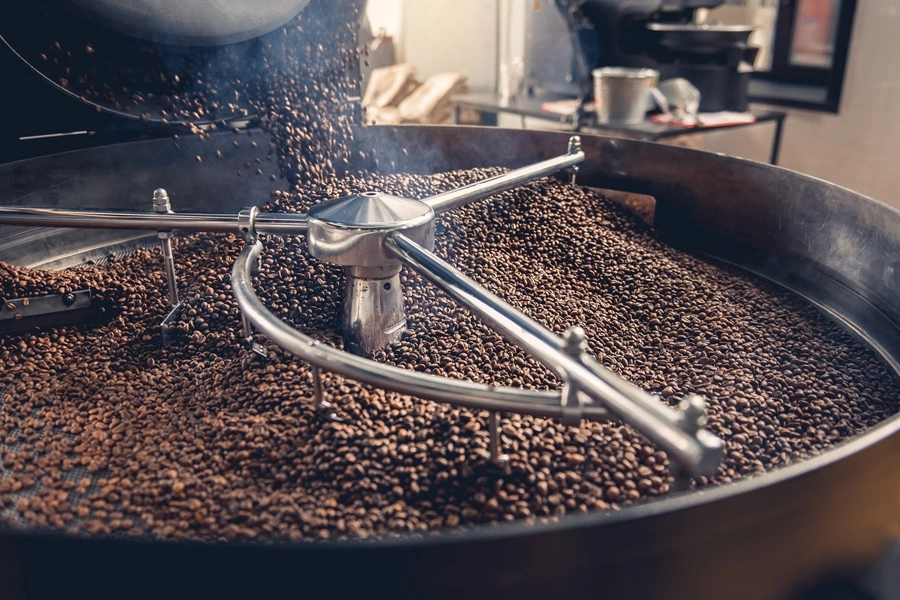 Acrylerase integrates into existing coffee processing workflows and reduces acrylamide while preserving coffee quality.
“It reflects the rigor of the EU food enzyme evaluation process and provides important reassurance on the safety of Acrylerase for its intended applications.”
Controlling acrylamide in coffee
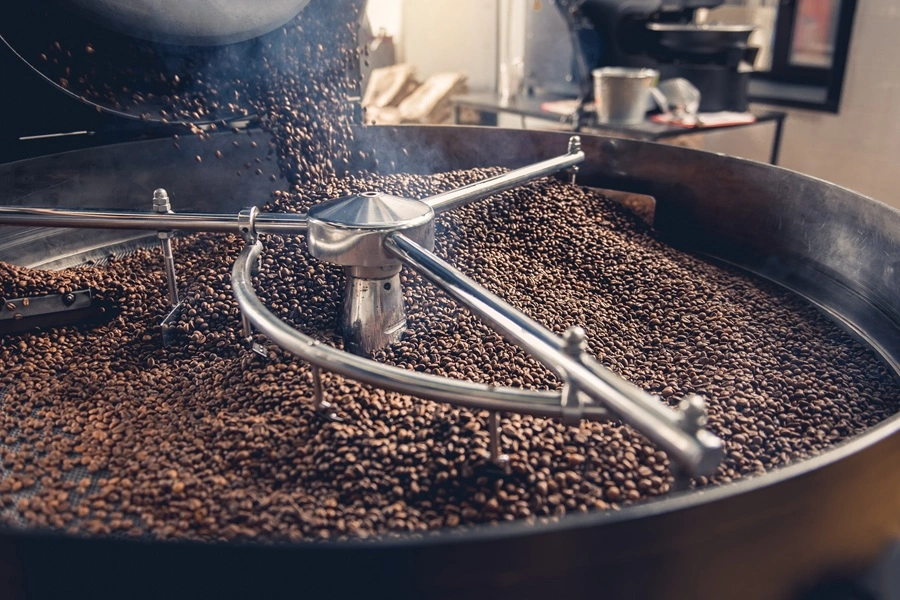
Acrylamide is formed during coffee roasting and extraction and is a key challenge for the coffee industry. EFSA confirmed in 2015 that coffee, coffee substitutes, potato-based, and cereal-based products are the main contributors to the exposure.
Kerry emphasizes that its Acrylerase innovation is the first commercially available food enzyme designed to directly decompose acrylamide after it has formed, rather than reducing its formation indirectly through process modifications.
“The reduction is much more effective, very easy to integrate into the production process and eliminates the need for the previous reduction measures, i.e., increases the usable share of the worldwide coffee production,” Dr. Marc Struhalla, CEO of c-LEcta (Kerry Biotechnology Centre), previously told Food Ingredients First.
He explained that c-LEcta used engineering techniques to train the enzyme to withstand low pH and higher temperature conditions prevailing in coffee extracts.
Boosting food enzyme innovation
Kerry stresses that the EFSA scientific opinion further strengthens its position in food enzyme innovation. Acrylerase helps manufacturers meet EU mitigation expectations while protecting taste, aroma, yield, and manufacturing efficiency.
“The approved amidase expands Kerry’s portfolio of enzymatic technologies designed to help customers address food safety, product quality, and regulatory challenges across multiple categories,” notes the company.
The milestone shows how “targeted enzyme innovation” can help solve real-world manufacturing and food safety challenges,” says Ronan Moloney, VP of Enzymes at Kerry.
“Acrylerase delivers measurable value for customers, while supporting compliance with increasingly complex regulatory requirements.”