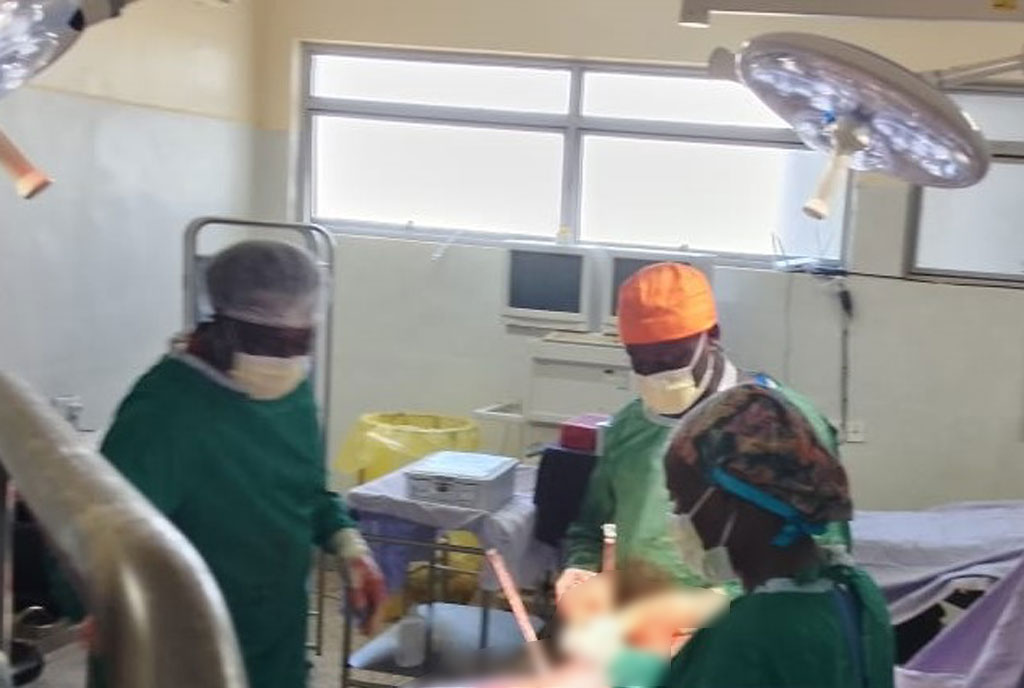
The Judiciary has reaffirmed its commitment to promoting the health and wellbeing of its staff, court users, and surrounding communities by holding a massive health awareness camp at the Mubende High Court.
The initiative, which focused heavily on HIV prevention, eliminating stigma, and encouraging healthy living, comes at a critical time when Uganda is racing against the clock to meet the global target of ending AIDS as a public health threat by the year 2030.
The quarterly health camp was held under the theme, “Ending AIDS by 2030: Embracing the Role of Women.” It brought together judicial officers, health experts, justice sector stakeholders, members of the public, and representatives from the Judiciary HIV/AIDS Committee.
Throughout the day, court premises were transformed into a bustling wellness centre. Participants received free medical screening services, attended health sensitization sessions, watched practical demonstrations, and engaged in open discussions about workplace wellness and emerging public health challenges.


Speaking on behalf of the Resident Judge, the Mubende High Court Deputy Registrar, Mr Rogers Binega Kinobe, noted that the justice system often interacts with vulnerable populations who are cut off from routine healthcare. He explained that the initiative was particularly vital because many court users face severe health-related challenges but lack access to reliable health information and testing services.
“This sensitization and free screening programme is a valuable opportunity for both staff and court users. I encourage everyone to take advantage of the services being offered today because they are intended to improve our wellbeing,” Mr Kinobe said on Thursday.
The Judiciary HIV/AIDS Committee reiterated that the institution is actively integrating health interventions into its core administrative programmes. This is being achieved through routine health camps, workplace sensitization campaigns, media engagements, and targeted support initiatives for staff living with HIV.
Speaking on behalf of the committee’s chairperson, Deputy Registrar Dorothy Lwanga Ssempala stated that the Judiciary’s efforts are directly aligned with the Presidential Fast-Track Initiative on ending AIDS. Launched by President Yoweri Museveni, the initiative emphasizes testing, treating, and eradicating stigma.
“The objective of today’s camp is to reduce stigma, prevent new infections, and promote a supportive environment for people living with HIV,” Ms Ssempala said.
However, officials from the Uganda AIDS Commission (UAC) used the platform to issue a stark reminder that the epidemic is far from over. Despite Uganda’s celebrated success in dropping infection rates over the decades, women and young girls continue to bear a disproportionate burden of the disease due to socio-economic vulnerabilities.
Ms Hope Murungi, an official from the UAC, urged Ugandans to abandon complacency. “HIV is still with us and remains a threat. Each one of us has a responsibility to do whatever we can to prevent new infections and support those living with the virus,” she warned.
Renowned HIV/AIDS activist and UAC Commissioner, Dr Stephen Watiti, commended the Judiciary for using its institutional weight to back the health drive. He implored the public to embrace regular testing, reminding them that a positive diagnosis is no longer a death sentence.
“When you test positive, it does not mean you are going to die. With proper treatment and adherence to medication, people living with HIV can live long, healthy, and productive lives,” Dr Watiti said, while calling for an immediate end to discrimination.
To honour those who have succumbed to the virus, the UAC organised a moving candlelight memorial ceremony, reinforcing solidarity with those currently living with HIV.
Beyond HIV, health experts at the camp expanded the conversation to address other pressing public health concerns, noting that Uganda faces a double burden of infectious and non-communicable diseases (NCDs).
Dr Elizabeth Kasirye Omagino warned that infectious diseases like Ebola remain a constant threat in the region. She emphasized the critical importance of hygiene, urging communities to adopt the “5 Fs” approach—safeguarding against disease transmission through Faeces, Fingers, Food, Fluids, and Flies.
Simultaneously, the Executive Director of the Uganda Heart Institute, Dr John Omagino, raised the alarm over the silent rise of lifestyle diseases like hypertension, diabetes, and heart disease across Uganda.
“As we celebrate progress in the fight against HIV/AIDS, we must also address the growing challenge of non-communicable diseases, which continue to affect many people silently,” Dr Omagino warned. He advised participants to protect their health through regular exercise, adequate hydration, and balanced nutrition.
The health camp concluded with practical demonstrations, emotional testimonies from individuals living positively with HIV, and the distribution of the Judiciary HIV/AIDS Workplace Policy manual, aimed at fostering a safe, non-discriminatory environment within the justice system.