The foreign exchange (FX) market is booming, and every day, trillions of pounds of currencies are traded by investors, businesses and banks. Not for the faint-hearted, it requires commitment and dedication to turn a profit, with exchange rates often changing in seconds – which means opportunities can be easily missed if you’re not switched on – but for some, it can lead to impressive financial gains over time.
FX trading isn’t the type of trading you can do without taking the time to learn the ropes and then perfect your skill – but in 2026, thanks to the latest tech innovations, it is becoming easier. Where once, traders could rely only on instinct, market knowledge and the kind of trial-and-error experience that can only be gained over time, these days, the provision of advanced analytics thanks to artificial intelligence (AI) means that accurate real-time information is always available. This means that by arming traders with the facts and figures they need to make decisions that are logical and backed by data, FX trading has become more accessible than it once was – and risks have been reduced to those who know how to handle the information they are given.
This shift towards data-driven decision making is transforming the way FX trading is approached, and for many, boosting their success rates, too. According to official UK insights on digital growth outlined in the UK National Data Strategy, unlocking the power of data is essential for modern skills. And, as technological advancements continue to gain momentum, the experts at theforexcomplex.com say it could be only the tip of the iceberg in the long-term.
What is data-driven decision making?
Data-driven decision making is, in essence, making use of the information and evidence that is available when it comes to determining what your next move will be – in this case, within the FX market. It marks a departure from the intuitive and experience-based approach of times gone by, and gives traders greater confidence in the decisions they make day to day.
Within the FX market, economic reports, inflation figures and interest rate changes can all influence whether it’s the right time to buy or sell, and by gaining vital insight into current market conditions and how they might change throughout the day, week or month, traders can envision a clearer picture of what they are dealing with.
A robust decision-making process is paramount for FX traders, and data has simplified it, allowing traders to readily assess information, identify any possible risks and evaluate potential outcomes with greater ease.
Why data is key
The sheer volume of data available to traders in 2026 can often feel overwhelming, and attempting to sift through it all manually and determine what it all might mean is not only time consuming, but confusing.
Such is the instant reporting of news online that its effects on markets – particularly in relation to economics or geopolitics – can happen surprisingly fast.
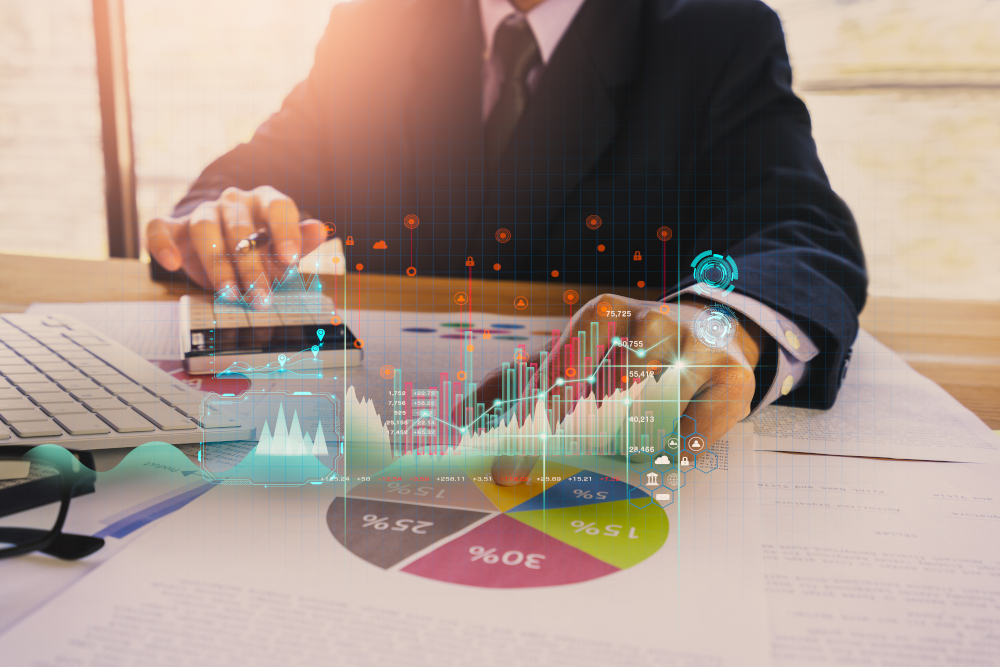
Business data analytics have thus become increasingly important to traders, with advanced analytics tools rapidly analysing and organising vast swathes of data and making it possible to spot patterns that may otherwise have been overlooked. By leveraging technology to identify key trends that may influence their decisions, traders not only save time, but also minimise doubt, and are able to react far more quickly to changing market conditions with moves they feel confident in making.
In the FX market, timing is everything – and access to accurate data means that traders are always ready to pounce should an opportunity arise (or sell quickly when the red flags become apparent).
A shift towards structured decision making
Emotional decision-making can only get you so far in the FX market, and the more regimented and disciplined approach that data supports can make all the difference when it comes to trading success.
In 2026, many traders have shifted towards a process called structured decision making, whereby information is methodically and systematically evaluated before any moves are made. The idea is to implement a standardised, evidence-based approach that keeps them aligned with their strategy and on track towards their goals, without getting swayed by instinct or personal feelings.
During periods of global and market uncertainty, this approach becomes paramount, and keeps traders laser-focused on the facts.
How does data analytics help business?
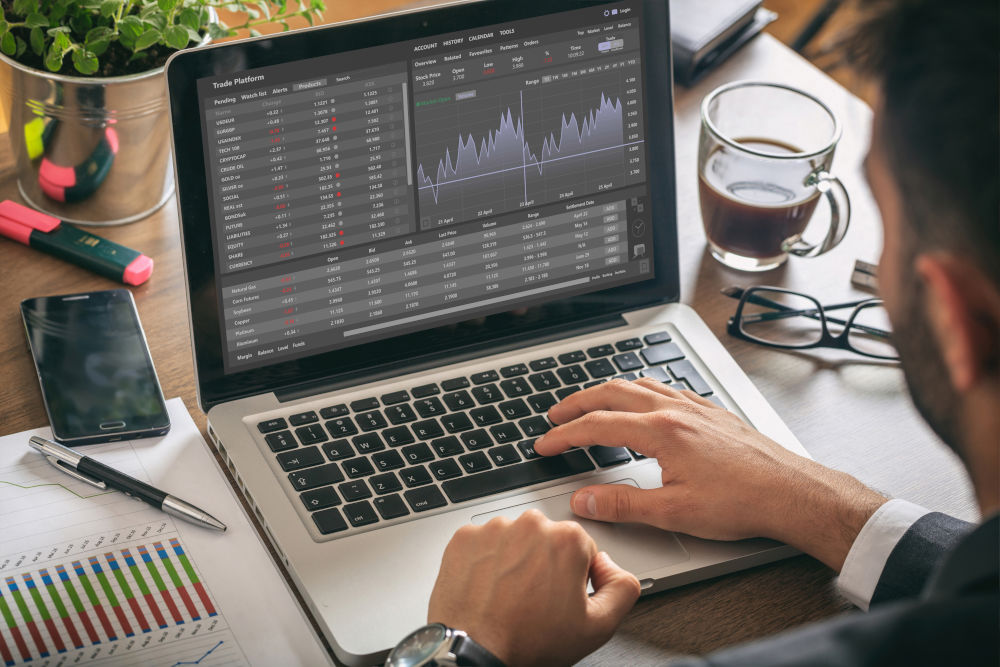
It isn’t just data that is driving the shift – but the advanced analytics tools that can process enormous volumes of information in just a few seconds and highlight market trends and economic influences – valuable insights that would take hours to identify manually.
Traders aren’t the only ones gaining value from it; organisations that trade internationally and thus are influenced by exchange rate fluctuations, too, are looking more closely at how data analytics can help them. And the answer isn’t a complex one – it’s as simple as helping them to come to better decisions, which in all sectors of business, is vital to success of any kind. Staying up to date with exchange rates and market conditions with the help of data analytics can dramatically enhance the accuracy and efficacy of financial planning.
The rise of the data-driven business strategy
Access to such timely and accurate data is leading many businesses to move towards a data-driven business strategy, leveraging the information they have access to to improve results and ultimately, their bottom line.
Businesses of all sizes can benefit; small business data analytics can be immensely helpful in supporting growth, and new start-ups and SMEs are now making use of it in the same way large businesses do.
The key is understanding how to use data analytics to grow your business. Get it right, and planning becomes easier, relevant trends are spotted more quickly, risks are managed more effectively, and international payments can be time to your advantage – which together, can prove game-changing for businesses involved with international trade.
There are numerous benefits of data analytics in business, and those that overlook them could be missing a golden opportunity. When processing this commercial information, businesses must also ensure they follow ethical and legal guidelines, such as those provided by the Information Commissioner’s Office in their UK GDPR Guidance, to maintain data security and trust.
The future of FX trading
Looking ahead, FX trading is expected to continue to be driven by data – and increasingly so. As innovations in tech continue and information becomes more readily accessible, traders are likely to embrace data analysis tools wholeheartedly to boost their success levels to new heights.
In 2026, organisations and industries of all kinds are leveraging data driven business insights to their advantage, and FX trading is no different. As the complexity of markets continues to grow, tools that can offer rapid data analysis will become more prized than ever before, and play a fundamental role in FX trading moving forward.
Disclaimer: Investing money carries risk, do so at your own risk and we advise people to never invest more money than they can afford to lose and to seek professional advice before doing so.