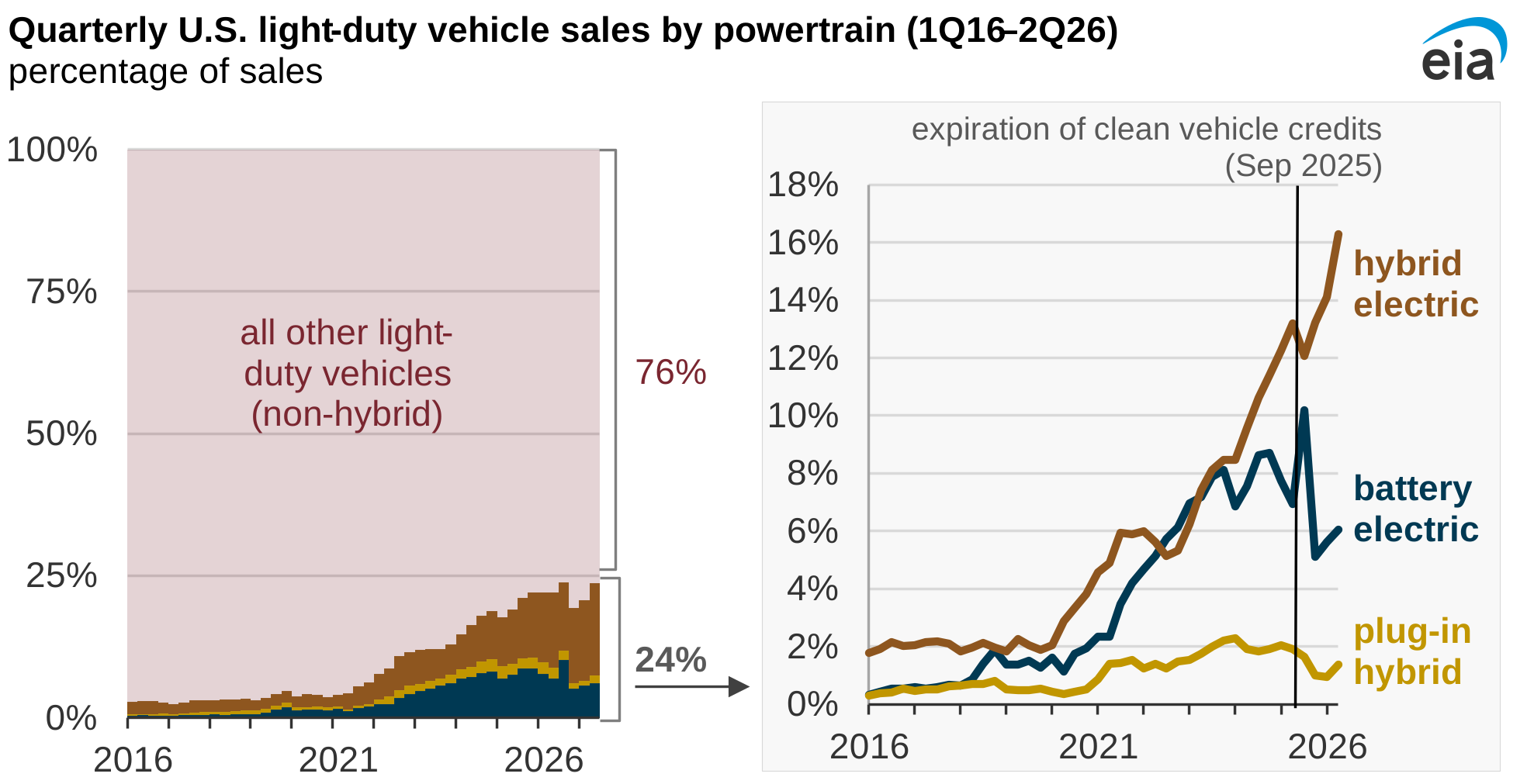
US hybrid vehicle sales reached a record market share in the second quarter of 2026, while battery electric vehicle (BEV) sales continued to decline following the expiration of federal tax credits last year, according to the US Energy Information Administration (EIA), citing Omdia data.
Data source: Omdia
Note: 1Q16=first quarter 2016; 2Q26=second quarter 2026
Electrified vehicles—including hybrids, battery electric vehicles (BEVs) and plug-in hybrid electric vehicles (PHEVs)—accounted for 24% of new light-duty vehicle sales in the United States during the second quarter of 2026, up from 22% a year earlier. The increase was driven entirely by conventional hybrid vehicles, whose market share climbed to a record 16%, while BEVs fell from 7% to 6% of new vehicle sales and PHEVs declined from 1.9% to 1.4% over the same period.
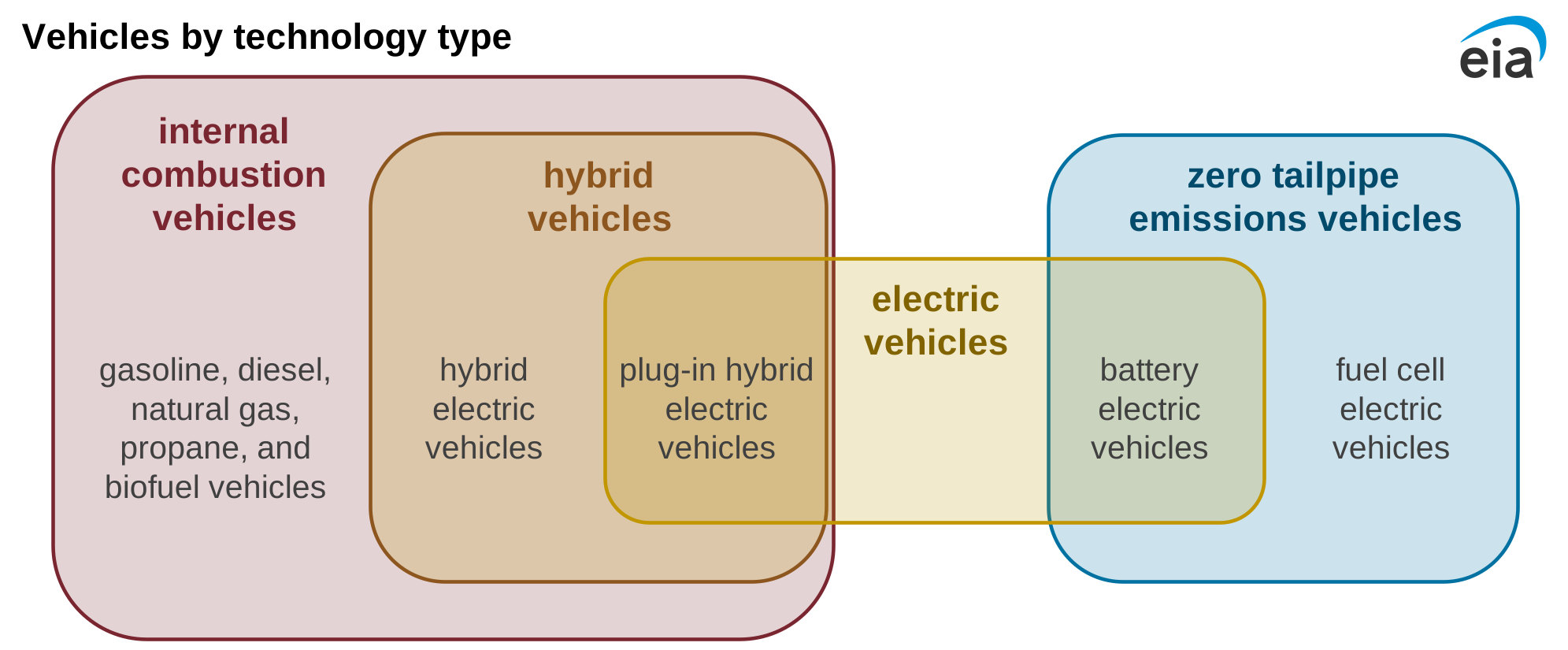
According to the EIA, the shift highlights the different roles these vehicle technologies play in the energy sector. Unlike battery electric and plug-in hybrid models, hybrid electric vehicles do not connect to the electricity grid and therefore do not increase electricity demand. The agency also notes that conventional hybrids were not eligible for the federal tax credits that expired on 30 September 2025.
Data source: US Energy Information Administration
The expiration of the New Clean Vehicle Credit and the Qualified Commercial Clean Vehicle Credit coincided with a turning point for the US EV market. Battery electric vehicles reached a record 12% share of monthly light-duty vehicle sales in September 2025, immediately before the incentives ended. However, 2025 became the first year in which annual BEV sales and market share declined, a trend that has continued into 2026.
During the first six months of 2026, battery electric vehicles represented 6% of new light-duty vehicle sales, compared with 7% during the same period in 2025.
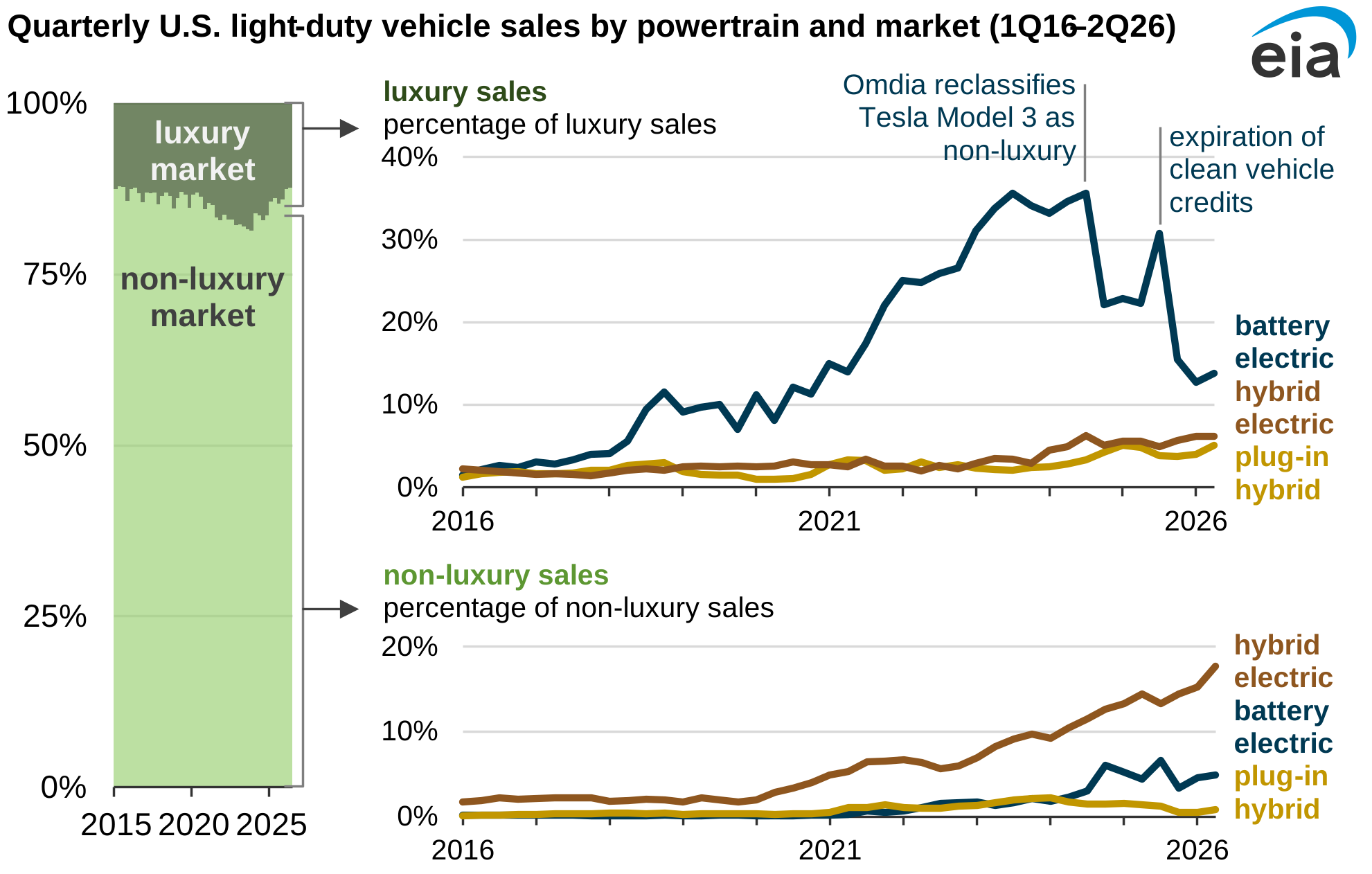
The decline has also been evident in the luxury vehicle segment, where battery electric vehicles have historically enjoyed stronger adoption. Luxury vehicles represented 12% of total US light-duty vehicle sales in the second quarter of 2026, but BEVs accounted for just 14% of luxury sales, down sharply from 22% a year earlier.
Data source: Omdia
Despite representing 6% of new vehicle sales in the second quarter, battery electric vehicles remain a relatively small share of the overall US vehicle fleet. According to the latest fleet-wide data cited by the EIA, electric vehicles accounted for only 2% of all registered light-duty vehicles in 2024, reflecting the gradual pace at which new vehicle sales translate into changes across the national vehicle parc.