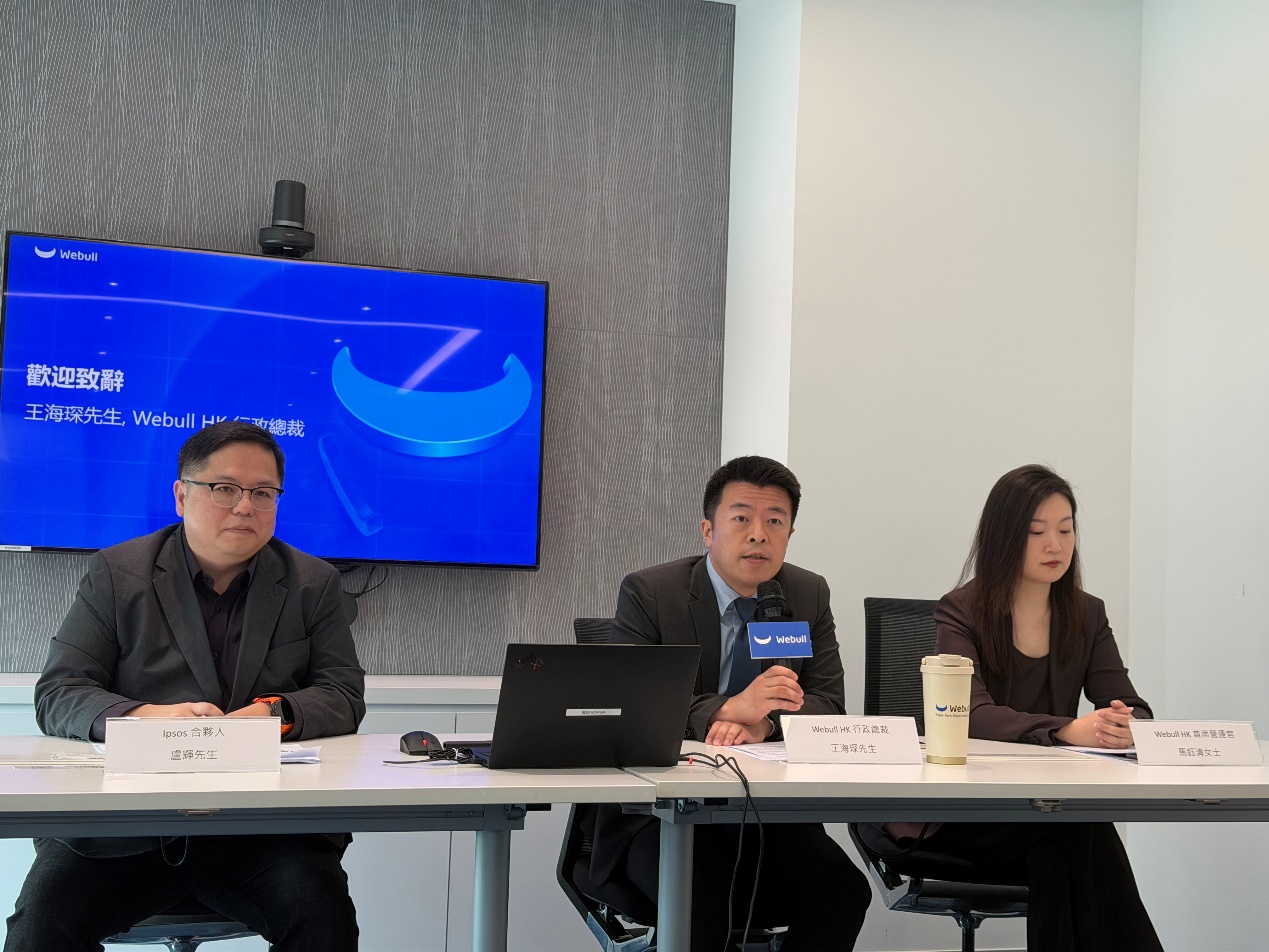
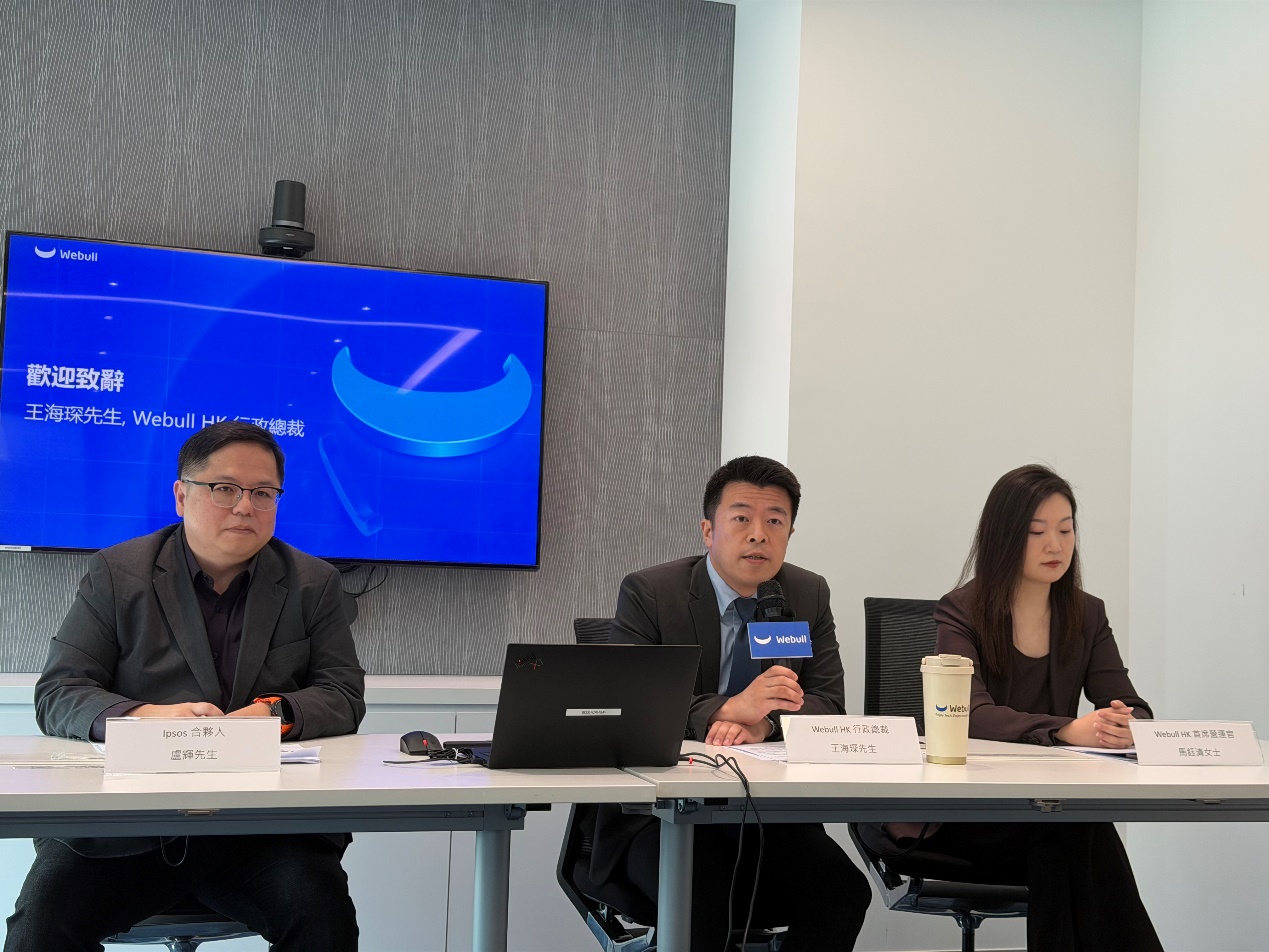
Hong Kong retail investors pay an estimated HK$7.34 billion ($937 million) each year in transaction fees for trading local stocks and US equities, according to a survey released on Wednesday. On average, each investor spends about HK$2,094 annually on trading costs.
The survey, commissioned by brokerage Webull HK and conducted by market research firm Ipsos, shows that assuming an annualized investment return of 10 percent, active traders could lose over 20 percent of their investment returns in trading fees within five years, and potentially more than 50 percent over 10 years.
The report also suggests that many investors underestimate the impact of trading costs. Nearly two-thirds of respondents said they believe that transaction fees have a “moderate, minor, or almost no impact” on investment returns, and more than one-third said they have never calculated their annual trading expenses.
In terms of awareness regarding different fee types, 67 percent of surveyed investors said they were familiar with brokerage commissions, but only around 50 percent were aware of platform fees. Fewer recognized less visible charges, such as stock custody fees, safekeeping fees, and dividend collection fees.
When choosing a stock trading platform, respondents cited product features and user experience as their top priority. Trust and service ranked next, followed by fees and overall costs.
Wang Haichen, chief executive officer of Webull HK, said that the findings reflect how transaction friction costs act as an “invisible tax” on retail investors, particularly those who trade frequently.
“With artificial intelligence agents now capable of helping investors analyze markets in real time, optimize portfolio allocations, and automatically execute trading strategies, the friction cost of each transaction becomes even more significant,” Wang added. “If every AI-driven transaction incurs commissions and platform fees, the frequency advantage of smart trading will ironically turn into a cost burden.”

