The construction of Terafab, a semiconductor manufacturing plant that’s part of a joint venture among Tesla (TSLA +5.14%), Space Exploration Technologies (SPCX +2.22%), and Intel, is integral to the investment case for the two Elon Musk-run companies. Not only is the initiative critical to supporting growth, but its successful implementation will significantly improve something that’s too little discussed in the investment world — it will derisk companies’ supply chains and, therefore, their risk profile. Here’s why.
Tesla and SpaceX’s Terafab plans
The Terafab initiative is massive. The first phase involves a $16.8 billion investment in a 100-million-square-foot semiconductor manufacturing plant in Grimes County, Texas. A multiphase build-out could ultimately amount to a $119 billion investment. It aims to produce 1 terawatt (TW) of compute, which is significantly larger than the current global supply, according to SpaceX.

Space Exploration Technologies
Today’s Change
(2.22%) $2.97
Current Price
$136.97
Key Data Points
Market Cap
Day’s Range
$131.22 – $137.35
52wk Range
$104.83 – $225.64
Volume
78.3M
Avg Vol
123M
The fundamental rationale behind it is simple: Both companies need to develop and manufacture chips to support growth in their cost technologies, electric vehicles (EVs) and Optimus robots for Tesla, and AI compute and data centers for SpaceX.
Four key benefits of Terafab for Tesla and SpaceX
First, Musk believes that its suppliers, such as Samsung, Taiwan Semiconductor (TSMC), and Micron, will not be able to produce enough chips to meet Tesla’s demand alone, let alone SpaceX’s.
Second, shifting chip production will help reduce the geopolitical risk inherent in reliance on chips manufactured in Taiwan. China views Taiwan as an integral part of Chinese territory and seeks to unify it with the mainland.
Third, vertically integrating chip production into its supply chain means Tesla/SpaceX will, in theory, save on the near-60% operating margins that suppliers like TSMC currently maintain.
Fourth, it’s not just a question of securing a physical supply; the timing and flexibility of that supply are also critical for a manufacturer, as is the ability to custom-make chips.

Today’s Change
(5.14%) $17.73
Current Price
$362.86
Key Data Points
Market Cap
Day’s Range
$346.90 – $366.50
52wk Range
$297.38 – $498.83
Volume
58.6M
Avg Vol
41.9M
Gross Margin
18.85%
Why Tesla and SpaceX need Terafab
Chips are an integral part of both companies’ business. Tesla currently uses its AI4 chip in its EVs and will use AI5 for Optimus and data centers, with Musk arguing that, at some point, it will also be used in EVs as AI4 ages. The next chip, AI6, will also be used for Optimus and data centers. Samsung makes the AI4 chip, will make the AI5 chip, and will make the next chip, AI6. TSMC will also make the AI5 chip.
However, beyond those chips, Terafab will begin producing chips for Tesla and SpaceX, including those critical to the operation of SpaceX’s data centers, whether orbital or on the ground.
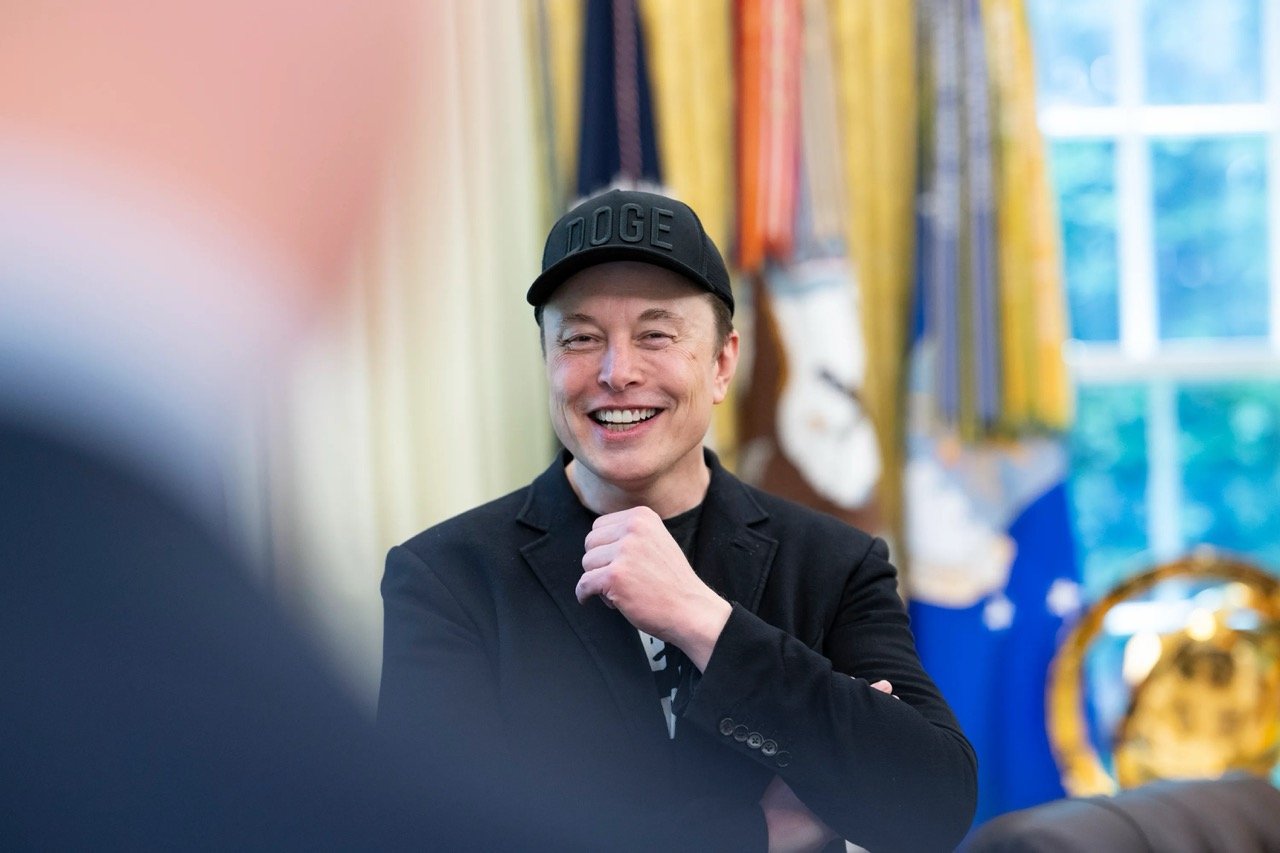
Elon Musk: Image source: The White House.
What it means to Tesla and SpaceX investors
Terafab won’t be easy, as semiconductor manufacturing is complex and capital-intensive, and Tesla/SpaceX have no background in the industry. Moreover, there’s a need for commercial agreements between Tesla and SpaceX regarding ownership and payment responsibilities at Terafab. Indeed, many investors believe these issues are key support for a Tesla/SpaceX merger.
Terafab comes with risk, but it could remove a huge amount of risk for both companies. Supply chains matter, and mitigating risk in a critical component like semiconductors is a major plus for stocks. That’s the key point of the initiative.