Quick overview
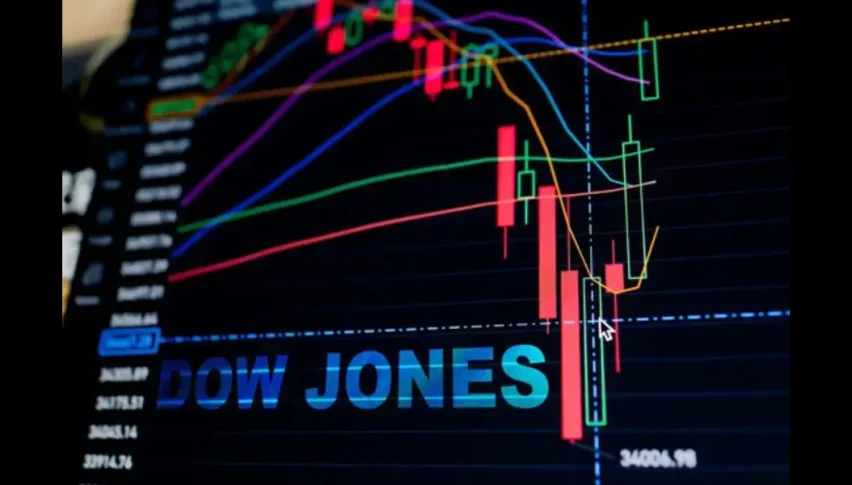
- The Dow Jones index futures are trading at approximately 53,910 points, down 0.16% from the last close.
- Escalating tensions in the Middle East have driven oil prices higher, raising inflation concerns that affect industrial stocks.
- The US labor market shows signs of stability with ADP payrolls growing by 44k in July, while key economic indicators remain resilient.
- Traders are focused on the upcoming National Jobs Report, which will influence expectations regarding the Federal Reserve’s interest rate decisions.
The Dow Jones index futures contract (E-mini Dow Futures) is currently trading around 53,910 points, down slightly by about -0.16% (100 points) compared to the last closing levels.
The recent session high stands near 54,004 with an intraday low around 53,890. The broader 52-week range sits between 44,005 and 54,884 . Escalating Middle East tensions and concerns over shipping routes ( Strait of Hormuz) have pushed WTI crude up to $78.00 and Brent crude past $83.50.
Higher oil prices are reviving energy-driven inflation fears, which directly impacts industrial and transport components within the Dow 30 (eg, Boeing, Caterpillar). The US 10-Year Treasury yield rose to 4.66%, applying valuation pressure to rate-sensitive blue-chip stocks and limiting upside momentum for index futures.
Labor Market: ADP private payrolls grew by 44k in July, indicating a slowing but stable hiring environment. Services & Manufacturing: The ISM Services PMI reached 54.1 alongside a Manufacturing PMI of 55.6, confirming underlying economic resilience despite tight monetary conditions.
Bearish Catalysts: Further oil rallies above $85/bbl, a push in 10-year yields toward 4.75%, or disappointing earnings revisions across cyclical industrial leaders. Bullish Catalysts: Easing geopolitical friction in the Middle East, stabilization in bond markets, and resilient service-sector data supporting a soft-landing thesis.
Dow Jones cash market fell by about 0.6% on Thursday, August 6, halting a recent string of record highs due to rising Treasury yields and oil prices. However, futures edged higher overnight from Thursday to Friday, buoyed by another wave of strong corporate earnings.
The National Jobs Report (NFP) in focus: Traders’ attention is heavily focused on the release of the July US jobs report this Friday, August 7. This data is crucial for assessing the strength of the US economy and anticipating the Federal Reserve’s (Fed) next decisions on interest rates.

Olumide Adesina
Financial Market Writer
Olumide Adesina is a French-born Nigerian financial writer. He tracks the financial markets with over 20 years of working experience in investment trading