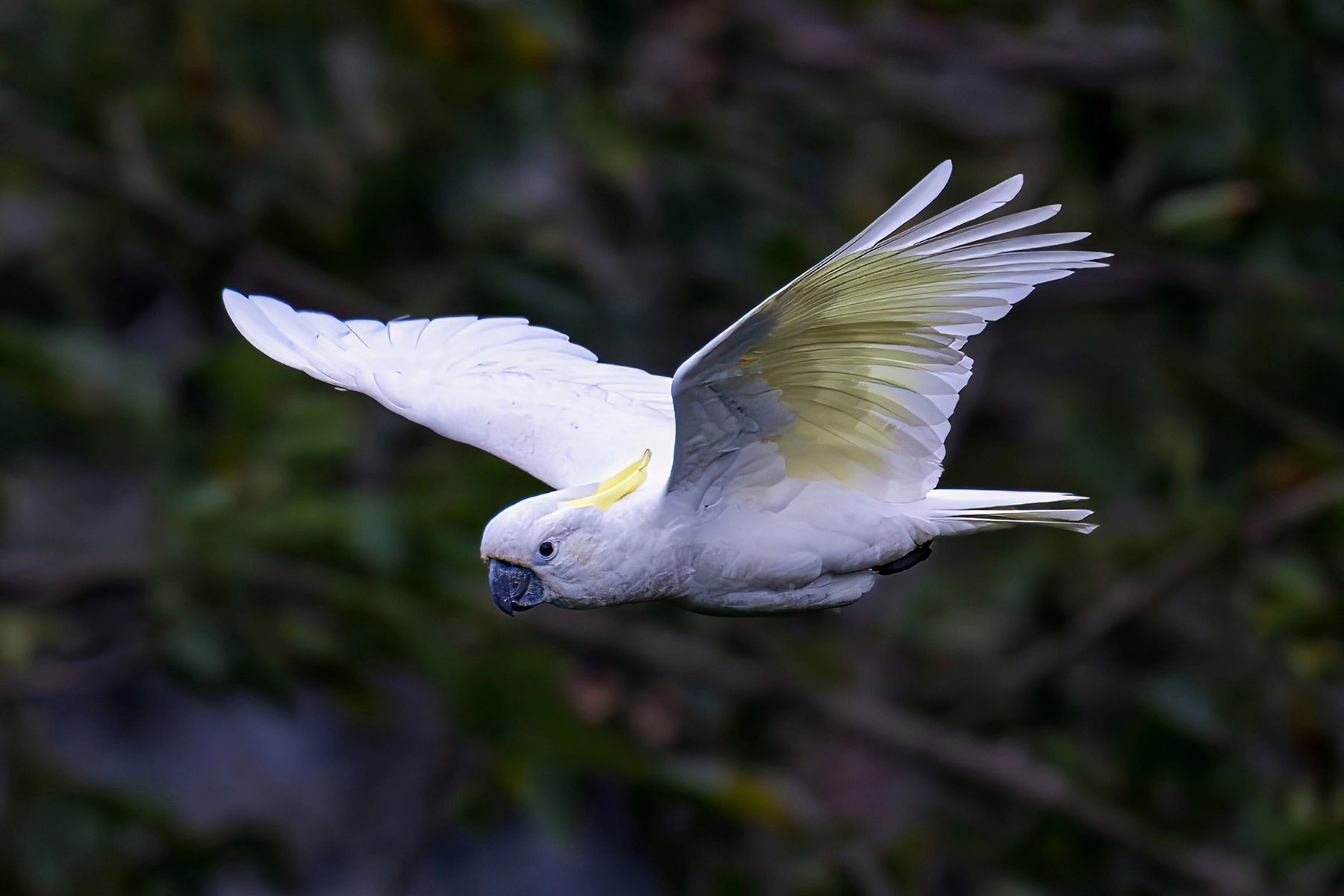
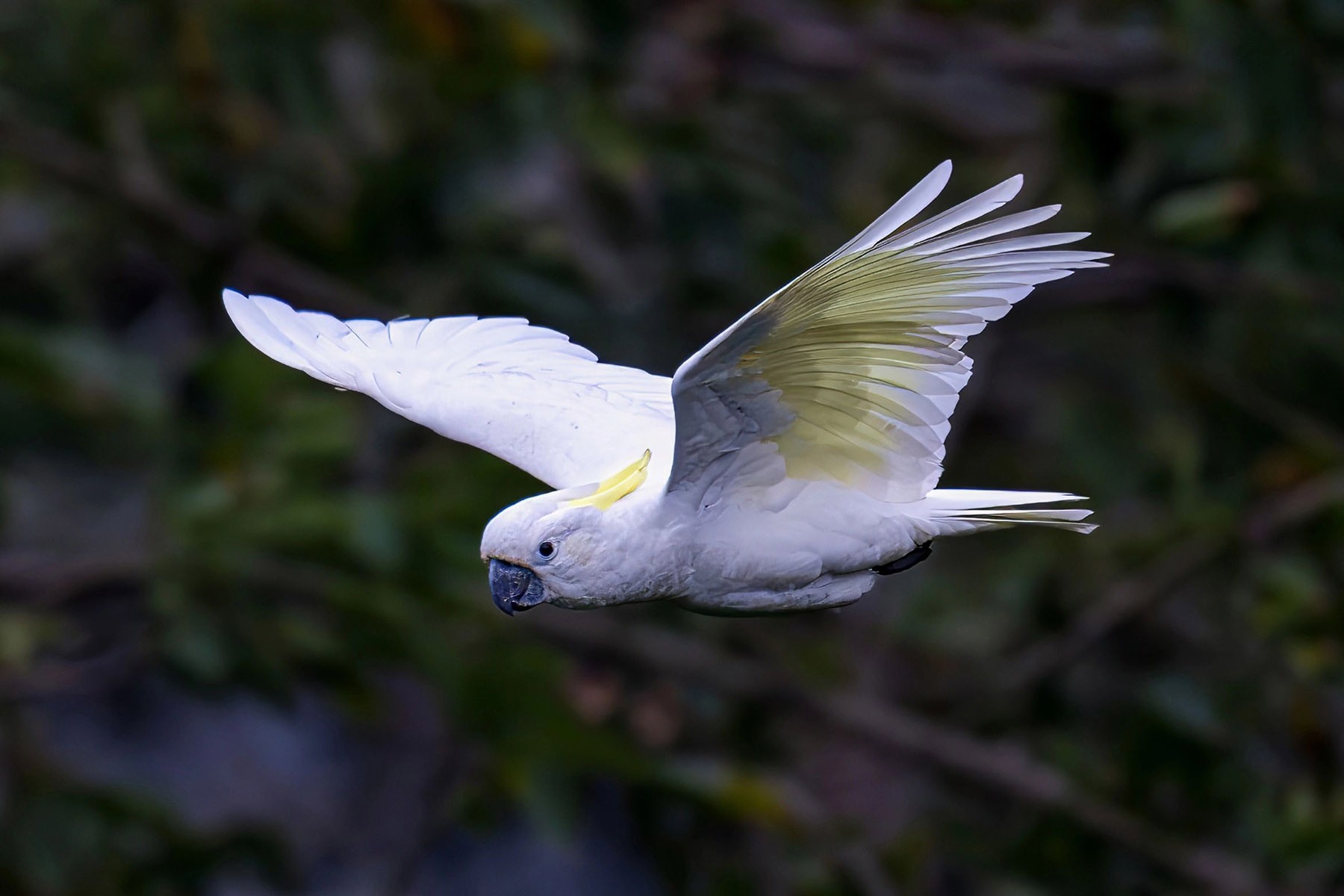
HONG KONG – With fewer than 2,000 yellow-crested cockatoos left in the wild, Hong Kong may play an important role in the species’ survival.
In a recent study published in the international academic journal Evolutionary Applications, researchers from the University of Hong Kong (HKU) found that these introduced cockatoos in Hong Kong retain unexpectedly high genetic diversity, potentially serving as a genetic reservoir for the species.
“It could be functioning as a backup population for this species, which is critically endangered,” Astrid Andersson, lead author of the study, told Xinhua in an interview.
From Indonesia to Hong Kong’s concrete jungle
Native to Indonesia and East Timor, yellow-crested cockatoos have seen their numbers plummet due to massive trapping for the pet trade and habitat loss. Currently, the vast majority of them are scattered across various islands of Indonesia.
Around 200 yellow-crested cockatoos have found refuge in Hong Kong, making up about 10 percent of the remaining global population. Andersson described this number as ideal in comparison with the situation on some islands in Indonesia.
Surprisingly, instead of the countryside, these striking snowy-white visitors choose to live in bustling areas on Hong Kong Island. Victoria Park in Causeway Bay and the Hong Kong Park in Admiralty serve as their main habitats.
“The cockatoos eat fruits, nuts, seeds, leaves and flowers. They find a lot of food in these urban parks,” Andersson said, adding that the older, larger trees preserved in these sites offer ideal nesting holes for the birds.
The research team has been partnering with a local arborist to design and install artificial nest boxes to monitor the cockatoo population. They place the boxes in areas where cockatoos are frequently seen, prioritizing spots where natural nests were lost to typhoons or safety-related tree pruning, thus ensuring the birds remain in familiar habitats.
Over the past year, more than a dozen nest boxes have been installed across various locations in the city, including urban parks and schools.
Students turn into bird guardians
Last October, Winster Wong, a teacher at St Louis School in Sai Ying Pun, saw a pair of yellow-crested cockatoos repeatedly pecking at a hole in a campus tree, a behavior that lasted for about two weeks.
Realizing the birds were trying to nest, Wong recalled a video on the Internet by the HKU team on artificial nest boxes and reached out to them. This led to the successful installation of two boxes at the school this April, with Andersson subsequently invited to speak at a morning assembly about the birds’ plight.
“We want the students to be involved in it, not just bystanders. At this stage, we are trying to increase their awareness,” Wong said, noting that the school plans to partner with HKU to launch cross-disciplinary activities that are professional yet accessible for students.
With the installation of the nest boxes, the cockatoos have been visiting the school more often. Rooney Cheung, a student at the school, recalled spotting the cockatoos darting through the trees during one morning recess. He quickly grabbed his camera and captured the moment when they returned to the artificial nest, a snapshot that later clinched an award in a competition themed around the environment and humanity.
“The nest box is a human creation, while the cockatoos represent nature. I submitted the photo because it felt like a perfect fit for the theme,” the 15-year-old said.
Other students found creative ways to engage. Another student named Owen Yu built a model tree with blocks to create an ideal habitat for the birds. “I used to have little interest in nature, but now I know they are precious and I hope to help them thrive,” Yu said.
This shift in perspective resonated across the campus, even among those who initially found the birds’ famously loud calls a bit bothersome. Having since grown accustomed to the noise, another student, Asa Tam, said, “We are all part of nature and should accept each other. Now, every time I hear them on campus, I cherish it.”
New life in the nest box
The artificial nest boxes were carefully designed with Hong Kong’s climate in mind, particularly its high temperatures and extreme rainfall. Built to prevent rainwater from seeping in, the structures also provide protection against predators such as civet cats, snakes and other birds.
Furthermore, each box is equipped with a live camera that enables the researchers to monitor the birds’ behavior. Yet, the cockatoos, with strong beaks, frequently damage the boxes and appear particularly sensitive to cameras, sometimes breaking the devices.
Andersson noted that while the cameras are “not cheap” and pose maintenance challenges, they are vital to showing whether the nest boxes are being used. They allow researchers to track eggs, chick survival, and parental feeding. “This type of information has never been recorded for this species,” she said.
Beyond scientific research, the live feeds carry significant educational value. Andersson noted that some schools use tablets in the classroom to stream the footage, so students can observe what is happening in the nest boxes in real time.
Marking a clear success for the project, at least one chick has already hatched in one of the boxes. “It’s very hopeful for the continuation of this project,” Andersson said, aiming to increase the number of boxes to around 50.
Moving forward, the team plans to partner with more schools, corporations, and individuals, while hosting public talks and nest box design workshops to keep raising awareness.