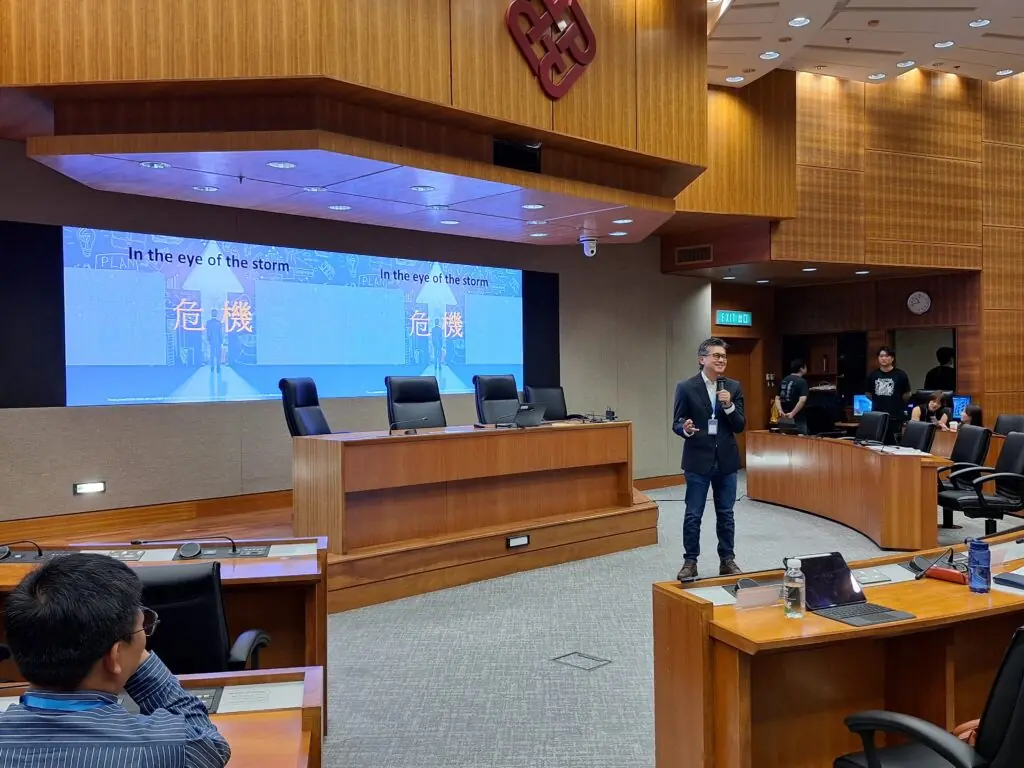
The Crisis Communication Think Tank (CCTT) at the University of Georgia convened its 2026 CCTT Asia-Hub annual symposium in Hong Kong on May 29–30, 2026, hosted by Hong Kong Polytechnic University (PolyU) and in partnership with Hong Kong Baptist University (HKBU). The two-day program, themed “READINESS & GOVERNANCE in Crisis Management: Navigating Challenges in Digital, Global Era,” built on the momentum of the CCTT Asia-Hub launched in 2025, bringing leading crisis communication scholars and practitioners from the U.S. and Asia back together for a new round of research dialogue and industry insight exchange.
The first day was dedicated to Research & Student Engagement—which opened up with a keynote panel moderated by CCTT director Yan Jin, featuring W. Timothy Coombs, Yi-Hui Christine Huang and Augustine Pang. Coombs set the tone for the panel with his presentation, “Getting Ready for the Unknown: Qualitative Risks,” examining how organizations can prepare for threats that resist easy measurement. The panel went on to explore the latest theory development and research directions shaping the field, including Huang and her team’s work on trust in crisis and risk and Pang’s research on the role of strategic science in crisis management.

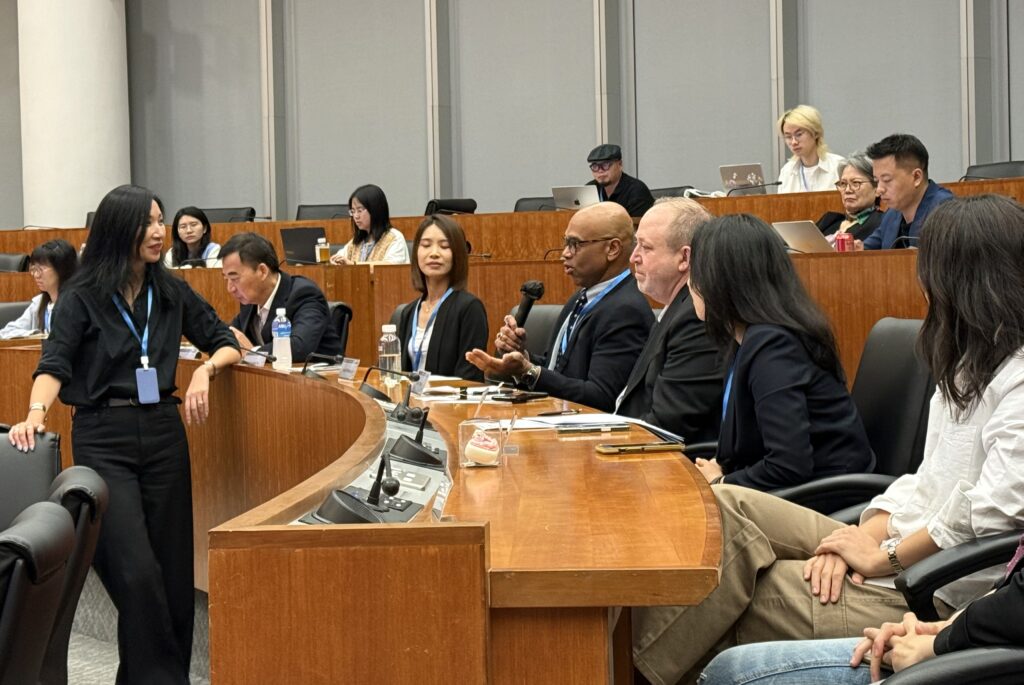
The discussion then turned to the next generation of crisis scholars with a session on Dialogues and Mentoring, moderated by Wenting Yu and featuring Joseph Watson, Jr., Jason Epstein and Ejae Lee. The session engaged graduate students in Hong Kong with experienced members and practitioners, offering candid guidance on how to navigate emerging trends in crisis studies and prepare for academic and professional careers in this fast-growing industry.
“In a digital and global era, crisis readiness requires a blend of academic rigor and industry agility. As the proud host of this year’s symposium, the Department of Language Science and Technology at PolyU sees crisis communication as the perfect illustration of the profound connections among language technology, communication, and society. Partnering with CCTT and HKBU to build a collaborative regional hub where research and practice work hand in hand to drive actionable solutions.”
— Cindy Ngai, Associate Professor, PolyU
The second day shifted to Academia & Industry Exchange. The morning’s Expert Insights session, moderated by CCTT Asia-Hub co-coordinator Cindy Sing Bik Ngai, featured W. Timothy Coombs, Yan Jin and Jennifer Giff. Jin opened with a review of the latest READINESS and GOVERNANCE work led by the CCTT HQ. Giff of Edelman followed with “Managing Reputation in the Age of AI-Driven Misinformation,” bringing a practitioner’s view of how organizations can protect trust when synthetic and manipulated content spreads at scale. Coombs furthered the discussion on information governance and its social impact by discussing “Fractured Reality: Complicating the Misinformation Fight,” tracing how a fragmented information environment is reshaping the challenge of correcting false narratives.
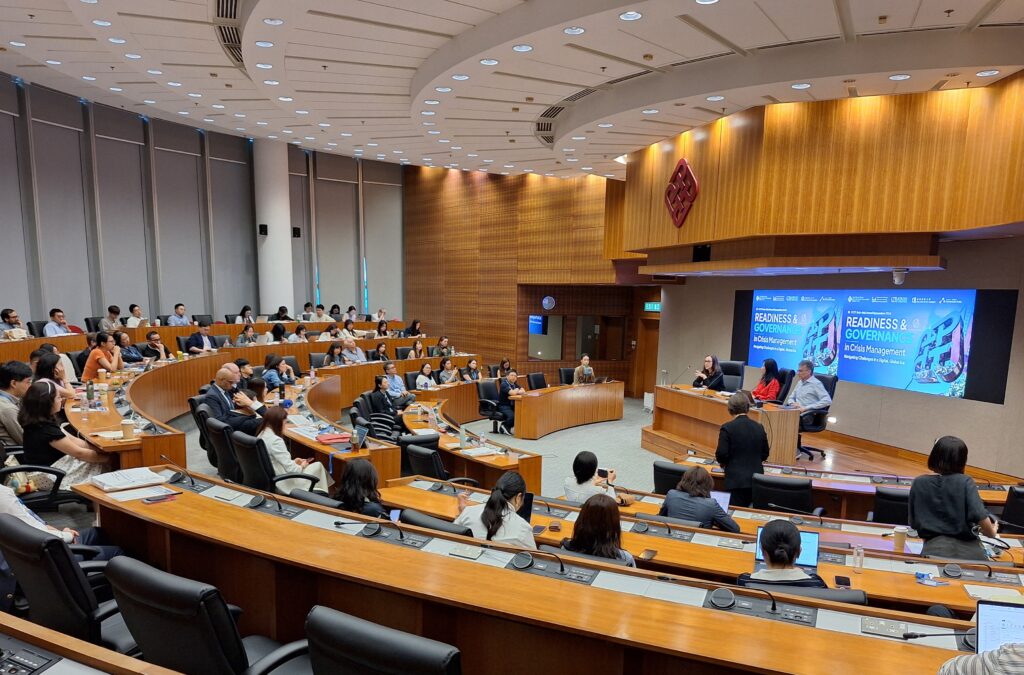
The day continued with a roundtable discussion moderated jointly by Jason Epstein and Yan Jin. The conversation brought academics Stephanie Jean Tsang (HKBU) and Joseph Watson, Jr. together with industry leaders Chuk-fai Kwan (Professor of Practice, PolyU) and Bobo Wong (Head of Communications, Microsoft), exemplifying the CCTT’s core mission of bridging the gap between theory and practice. Participants exchanged perspectives from both research and frontline practice on the most pressing crisis communication and risk management challenges facing organizations in Asia and beyond.
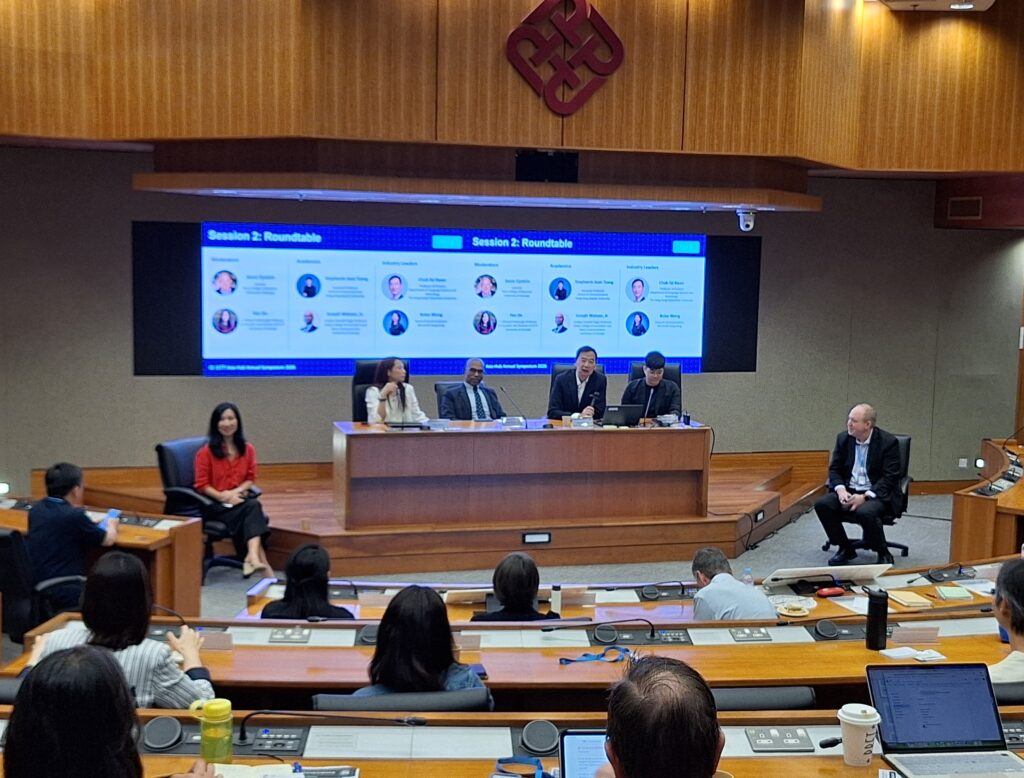
“I was privileged to participate in the Asia-Hub Symposium as a panelist, where I shared industry perspectives on crisis readiness and governance. The symposium was intellectually stimulating and insightful, offering valuable new perspectives while enabling the contribution of grounded, real-world crisis management experience. It exemplified a meaningful exchange between academia and industry in advancing the understanding of crisis leadership.”
— Chuk-fai Kwan, Professor of Practice, PolyU
The program concluded with a networking lunch and a CCTT business meeting, setting priorities for collaborative research, knowledge exchange and solution innovation in the year ahead.
The 2026 annual symposium reaffirmed the CCTT Asia-Hub’s role as a leading platform for international and interdisciplinary collaboration—uniting scholars and industry professionals to help organizations and leaders navigate an evolving crisis communication and risk management landscape, grounded above all in theory-practice integrated dialogue and global partnership.
“Crisis communication theory and practice are inseparable. This year’s CCTT Asia Hub Symposium underscored the importance of sustained dialogue between crisis scholars and practitioners in strengthening crisis readiness and informing crisis governance practices. It also fostered rich knowledge exchange among local and international scholars and PR professionals through meaningful interactions, insightful presentations, and thought-provoking discussions.”
— Elina Tachkova, Assistant Professor, HKBU
Author: NaYoung Song, nysong@uga.edu